You have probably noticed it yourself. You pull up to the gas station, look at the big glowing numbers, and feel a familiar knot in your stomach. Why is fuel still so expensive?
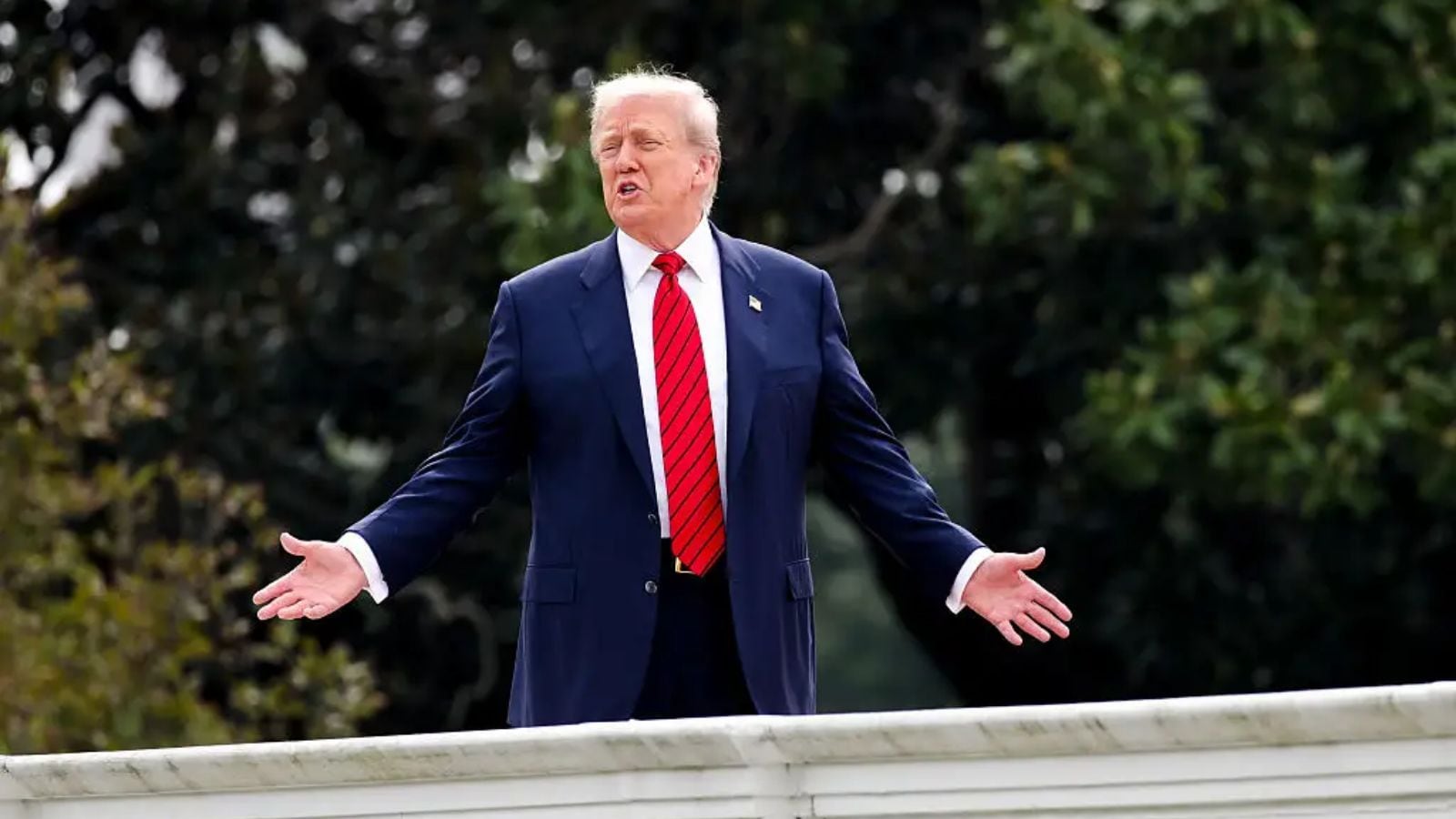
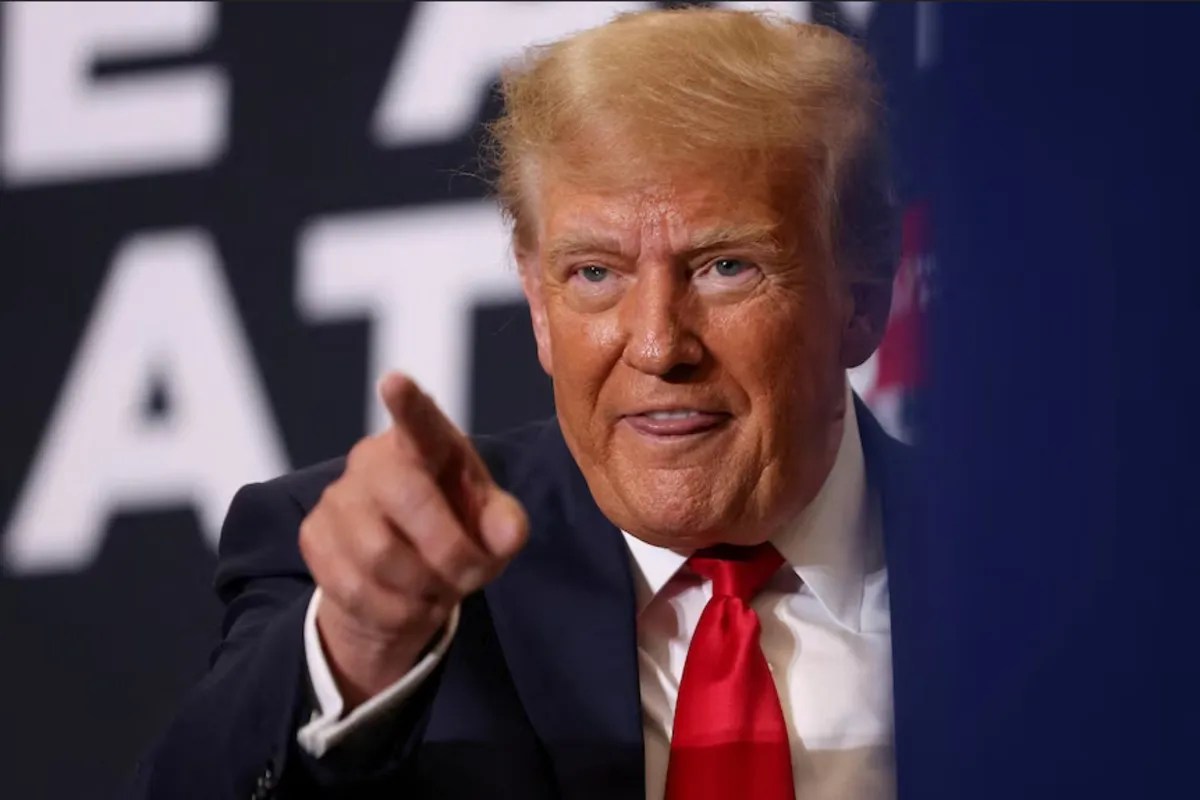
It's the exact question driving a massive political storm right now. US President Donald Trump just went on a late-night Truth Social tirade, accusing major oil companies of price gouging. He didn't just complain—he ordered the Department of Justice to launch an immediate investigation. Trump pointed out that while global crude oil prices are dropping like a rock following an interim peace deal with Iran, the prices you pay at the pump aren't budging fast enough.
But this isn't just an American problem. Halfway across the world in India, drivers are asking the exact same thing. If global oil is getting cheaper, why aren't we seeing the savings?
To understand why your local gas station is draining your wallet, you have to understand the messy reality of global energy markets.
The Disconnect Between Crude and the Pump
Let's look at the numbers because they tell a wild story. Ever since the US and Iran reached a peace agreement and reopened the critical Strait of Hormuz chokepoint, crude oil prices have plummeted. US West Texas Intermediate crude is down about 40% from its March highs, sitting around $72 a barrel.
Yet, the average American gas price is hovering around $3.90 a gallon. Sure, it's down from the painful $4.50+ peaks of May, but it's still way higher than the $2.76 average seen in January before the conflict kicked off.
This lag is what economists call the "rockets and feathers" phenomenon.
When global crude prices spike, retail gas prices shoot up like a rocket. Refiners and station owners panic about replacement costs, so they raise prices instantly. But when crude prices drop, pump prices drift down slowly like a feather.
Why? Because gas stations buy fuel in batches. If an owner bought a tankful of gasoline at last week's high prices, they aren't going to lower their retail price today and take a massive financial hit. They're going to ride that wave until they have to refill their tanks at the new, lower wholesale rate.
Additionally, refined gasoline inventories are currently sitting near their lowest seasonal levels since 2014. Low supply means refiners hold all the leverage, and they aren't in any rush to pass savings down the line.
Why India is Trapped in a Fixed Price Loop
If you think the American system sounds frustrating, the situation in India is even more rigid.
In India, retail fuel prices are largely controlled by three major state-run Oil Marketing Companies: Indian Oil Corporation, Bharat Petroleum, and Hindustan Petroleum. Legally, these companies have the freedom to change prices daily based on international crude benchmarks. In reality, they haven't made a significant consumer-facing price cut in months.
When global crude shot past $110 during the peak of the Middle East conflict, Indian state-run refiners absorbed massive losses to keep prices stable and shield voters from extreme inflation. Now that global crude has cooled down to the mid-$70s, these companies are actively keeping pump prices high to recoup those past losses and repair their balance sheets.
Furthermore, taxes make up a massive chunk of what Indian consumers pay at the pump. Between central excise duties and state-level Value Added Taxes, over 40% to 50% of the retail price of fuel in India goes straight to government coffers. Even if crude oil dropped to zero dollars tomorrow, taxes create a hard floor below which Indian fuel prices simply cannot fall.
What This Means for Your Wallet
Do not expect a massive drop in fuel prices tomorrow just because a politician ordered an investigation or signed a treaty.
If you want to protect your wallet from this lag, you need to change how you consume fuel. Stop driving to the nearest station out of habit. Use crowd-sourced fuel tracking apps to find stations that are actually lowering their prices faster than their competitors. Combine your errands into single trips to cut down on unnecessary mileage, and if you operate a business reliant on transport, look into locking in fixed-rate commercial fuel contracts now before the next market disruption hits. Global oil is cheaper today, but history shows it won't stay that way forever.