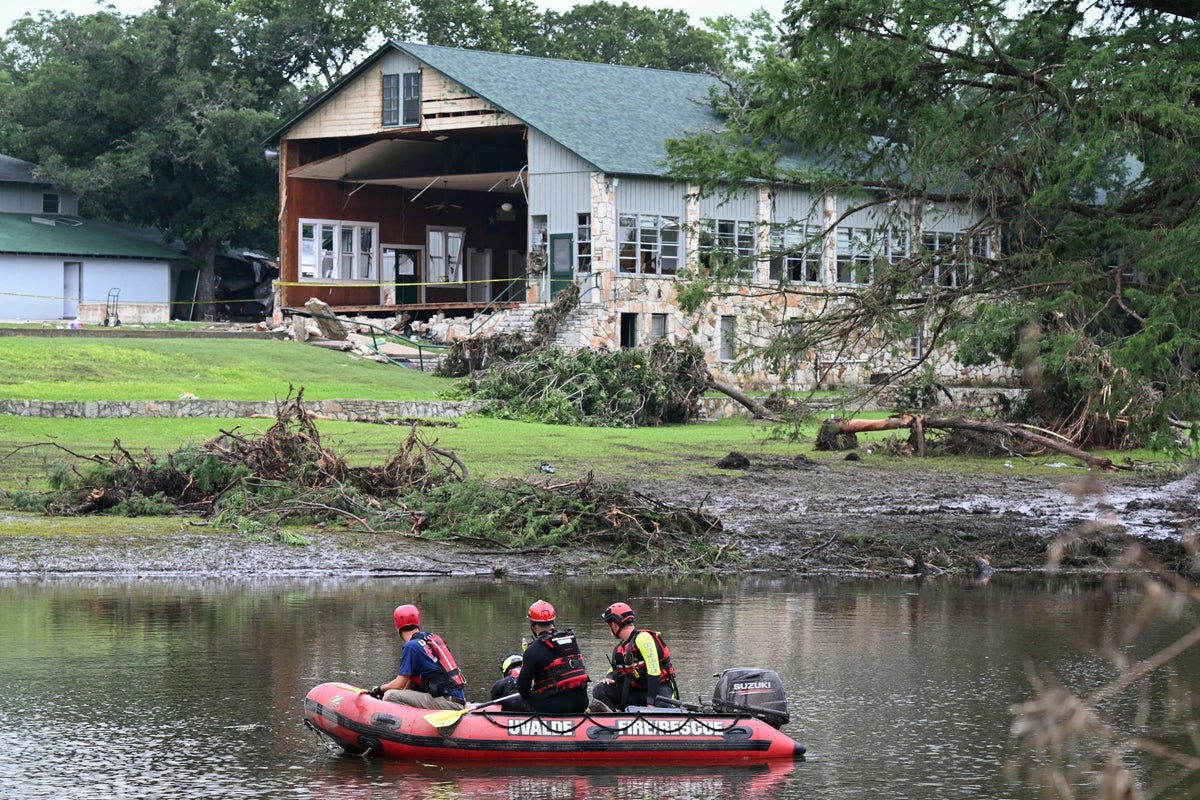
When flash floods ripped through the Texas Hill Country last July, tearing down the banks of the Guadalupe River, parents across the country watched the tragedy unfold at Camp Mystic in absolute horror. The catastrophic events on July 4, 2025, ended the lives of 25 young girls, two teenage counselors, and the camp's longtime director, Dick Eastland.
Now, almost a year after the disaster, the historic all-girls Christian camp has filed for Chapter 11 bankruptcy in the U.S. Bankruptcy Court for the Southern District of Texas. The corporate restructure reveals liabilities that completely eclipse its minimal remaining assets. For families who lost their daughters, this financial maneuver feels like a shield to delay accountability. For the rest of the summer camp industry, it's a stark wake-up call about the systemic failures that can turn a beloved childhood tradition into a death trap.
The Financial Reality of the Chapter 11 Filing
The voluntary bankruptcy petition, submitted in Houston, covers Camp Mystic LLC alongside three interconnected corporate entities: Mystic Camps Family Partnership, Ltd., Mystic Camps Management, LLC, and Natural Fountains Properties, Inc.
The documents layout a grim financial picture:
- Total Outstanding Debt: Exceeds $10 million.
- Reported Tangible Assets: Estimated strictly between $100,001 and $500,000.
Let's look at what this actually means in practice. A Chapter 11 filing lets a business stall active litigation while it attempts to restructure its debts. The Eastland family faced a mountain of high-profile wrongful death and gross negligence lawsuits from grieving parents. By entering federal bankruptcy court under Judge Christopher M. Lopez, those civil lawsuits are automatically paused.
Legal teams representing the victims argue the move is designed to avoid paying out massive punitive damages. While bankruptcy can protect a company's leadership from immediate asset liquidation, it also forces them to lay bare every financial account, asset, and corporate document during discovery.
Why the Tragically Delayed Evacuation Happened
A 115-page investigative report released by joint committees of the Texas Legislature details exactly how the disaster unfolded. The state's findings are frustratingly clear: the tragedy wasn't just an act of nature. It was compounded by a complete breakdown in administrative oversight and basic emergency protocol.
The investigators discovered that camp leaders routinely confiscated the cellphones of young counselors to encourage a "unplugged" summer environment. While that sounds great on a brochure, the camp didn't provide any backup emergency radio communication to those isolated cabins. When the weather took a turn for the worse, the people on the ground were completely blind.
"A plan that existed only in Dick Eastland’s head is not a plan that satisfied the state's rules," stated state investigator Michael Massengale during a public testimony. "And when disaster struck, it may as well have been no plan at all."
The report outlines a series of missed opportunities and organizational inertia:
- Ignored Storm Alerts: Senior camp leaders went to sleep on July 3, 2025, completely unaware of the extreme weather alerts, despite active regional flash flood watches.
- Untrained Staff: The camp lacked any state-mandated, written emergency evacuation procedures. Employees received zero training on how to handle rising water levels.
- Bystander Adults: There were 39 capable adults on the property who could have assisted with an orderly evacuation. Because no one gave them specific assignments or alerts, they remained entirely detached from the crisis until cabins were already floating away.
- Delayed Actions: Evacuations weren't initiated until the roaring waters of the Guadalupe River were physically breaching the low-lying cabins. Longtime director Dick Eastland died when the SUV he used to try and reach stranded campers was swept into the raging current.
The Fight to Reopen and the Backlash That Stopped It
Before the bankruptcy filing, the Eastland family made a tone-deaf push to reopen Camp Mystic for its 100th anniversary season. They had nearly 800 young girls registered to return.
The camp's legal team invited journalists and lawmakers to tour the property, showcasing safety upgrades and promising that no activities would occur near the low-lying riverfront. They argued that generations of Texas families viewed the site as a sacred space and desperately wanted to return to find closure.
The pushback was instant and fierce. Grieving families packed legislative chambers and court hearings, wearing symbolic "Heaven's 27" pins featuring photos of the victims. To them, reopening a commercial business while the bodies of their children were barely cold—and before any formal investigation concluded—was an insult to their memory.
Texas Lieutenant Governor Dan Patrick publicly stepped in, pressuring the Texas Department of State Health Services to freeze the camp's operating license. State health inspectors quickly found that the camp failed to meet a laundry list of newly implemented safety regulations. Realizing the state would deny their operating credentials, Camp Mystic finally withdrew its renewal application, ensuring the gates stayed shut.
Clear Next Steps for Parents Evaluating Summer Camps
The systemic failures uncovered in the wake of the Camp Mystic disaster show that parents cannot simply rely on a camp's long-standing reputation or religious affiliation to guarantee a child's safety. If you're sending a child to an overnight camp, you need to vet their operational safety protocols directly.
Demand to See the Written Emergency Plan
Do not accept a verbal assurance that "we have a plan." Ask for the actual physical copy of the camp's emergency operations plan. A legitimate organization will have clear, structured procedures for severe weather, active threats, and medical crises. Ensure the plan outlines specific evacuation routes that lead away from low-lying areas.
Ask About Staff Communication Architecture
Find out how counselors communicate with central management during an outage. If the camp forces staff to turn in personal cellphones, they must provide commercial-grade two-way radios or satellite-linked communication units in every single cabin block.
Verify the Real Staff-to-Camper Ratios
Look past the overall camp enrollment numbers. You want to know the exact ratio of trained, adult staff members present in the sleeping quarters overnight. Teenage counselors shouldn't be left as the sole supervisors in high-risk zones, especially near natural water systems.
Look Up State Inspection Reports
Most states require seasonal youth camps to undergo health and safety evaluations. Check your state's Department of Health website to view past inspection logs. Look closely for repetitive citations regarding emergency planning, structural safety, or water hazards. If a camp has a history of pencil-whipping its safety requirements, pick a different destination.
The legal battle over Camp Mystic's assets will drag out in federal bankruptcy court for years. But the ultimate lesson of this tragedy is immediate: faith, tradition, and decades of history mean absolutely nothing without an objective, rigorously practiced safety infrastructure.