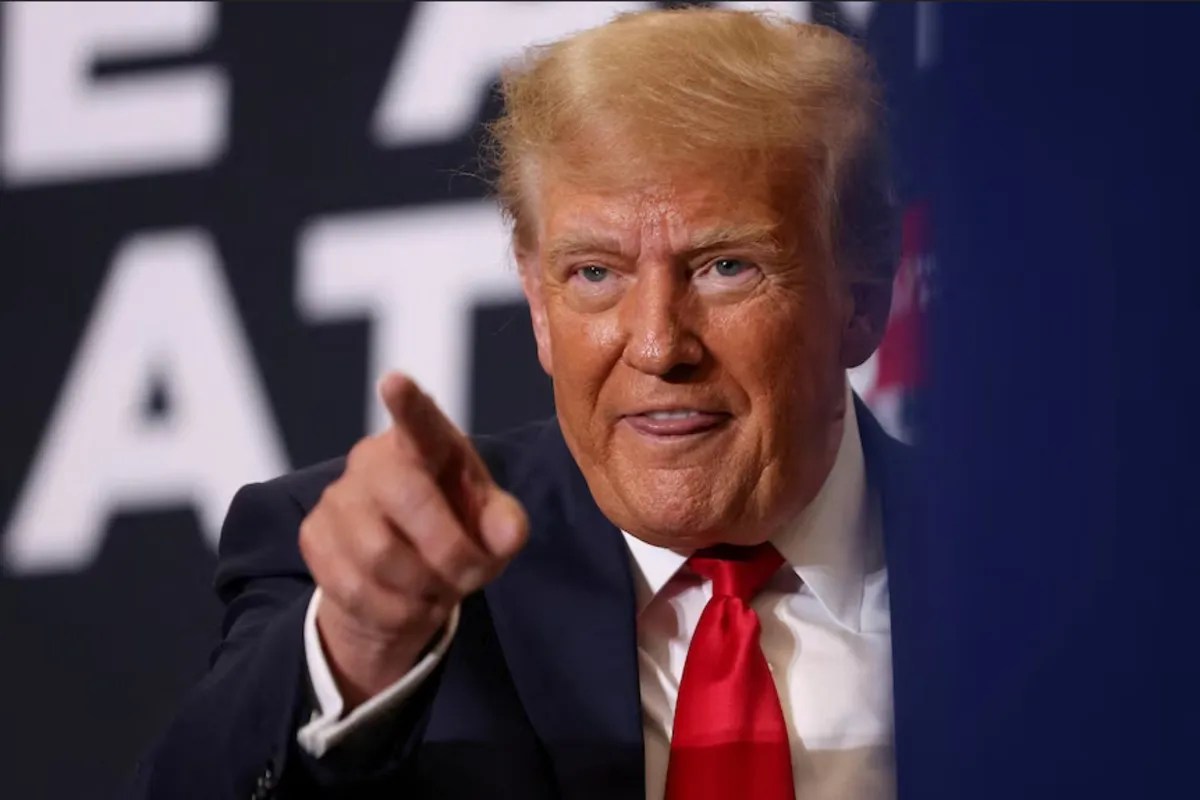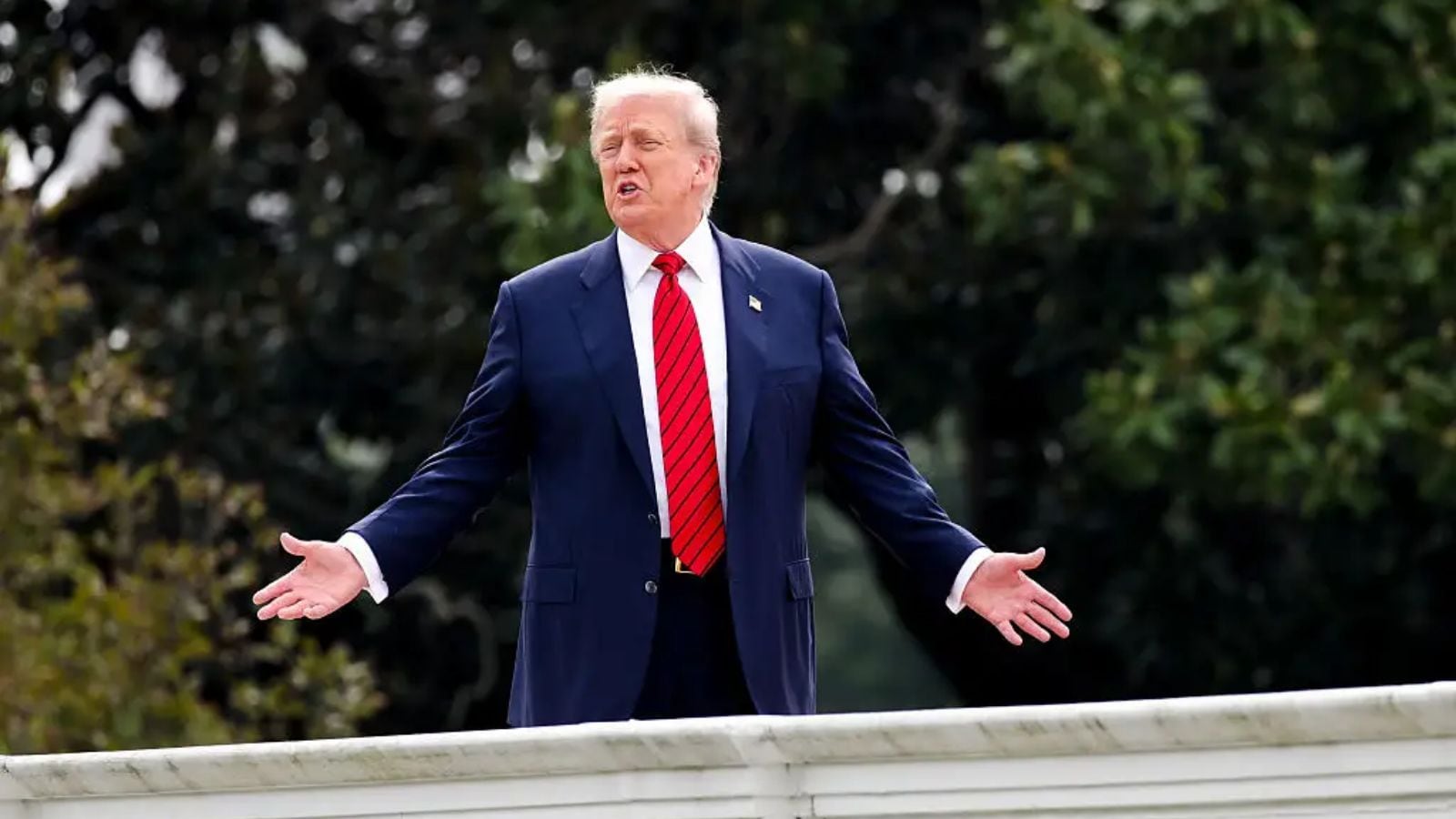
Donald Trump doesn't care about your trade spreadsheets. If you think American trade policy is driven by spreadsheets, economic modeling, or official data, a new book about the inner workings of his second term will cure you of that illusion.
The reality is much messy. It's driven by gut instinct, old grievances, and a deep-seated belief that every other country is actively ripping off the United States. Meanwhile, you can find other events here: What Most People Get Wrong About Falling Oil And Stubborn Gas Prices.
A series of explosive revelations in the book Regime Change: Inside the Imperial Presidency of Donald Trump, written by New York Times journalists Maggie Haberman and Jonathan Swan, exposes exactly how this plays out behind closed doors. The most telling episode details a heated Oval Office shouting match over Indian tariffs. It shows a president completely unmoored from his own administration's data, opting instead to rely on a figure he seemingly made up.
The Shouting Match Over Fake Numbers
The confrontation happened in March 2025 during the frantic lead-up to Trump’s "Liberation Day" trade actions. Commerce Secretary Howard Lutnick walked into the Oval Office armed with official data from the Office of the United States Trade Representative (USTR). He wanted to show Trump the actual duties India levies on American goods. To understand the full picture, we recommend the detailed report by Investopedia.
Lutnick expected a standard policy review. He got a wall of anger.
Trump was convinced that India slaps a massive 175% blanket tariff on American products. When Lutnick laid out the real, significantly lower USTR numbers, Trump lost his temper.
"Nobody has fucking given me any numbers," Trump snapped, according to excerpts from the book. He demanded "hard facts" but immediately dismissed the official government statistics on the desk. "You give me bullshit numbers," he shouted, calling the USTR data "fucking bullshit."
Lutnick tried to hold his ground. He insisted they were the real numbers. He even turned to USTR Ambassador Jamieson Greer for backup, pleading with him to speak up. Greer chose to stay silent, leaving Lutnick to absorb the presidential wrath alone.
Where the 175 Percent Myth Fails Reality
Trump's obsession with the 175% figure doesn't match international trade data. World Trade Organization records show India's simple average applied tariff sat at 15.8% in 2025, with a trade-weighted average hovering around 12%.
Sure, India maintains notoriously high tariffs on specific luxury items. Imported alcoholic spirits face a 150% duty. Certain automobiles and agricultural goods face steep walls too. The USTR has complained about these barriers for decades.
But claiming a blanket 175% rate across all American trade is a total fiction.
Trump repeated this exact 175% claim during a meeting with technology executives on March 10, 2025. He sat with CEOs from IBM, Dell, HPE, Qualcomm, and Intel, alongside Tesla CEO Elon Musk, who then led the Department of Government Efficiency. Trump warned the tech leaders that if they didn't manufacture chips inside the US, they would face massive penalties. He used India and China as his primary boogeymen.
Instinct trumps data in this White House. If a number sounds right to Trump, or if it helps him make a point to a room full of tech billionaires, that's the number he uses.
Tariffs as a Weapon for Everything
This isn't just about trade balances. Trump views tariffs as a universal tool to solve any global problem.
The book reveals another stunning exchange from January 30, 2025, just ten days after his second inauguration. During a briefing on the Ukraine conflict with retired Lieutenant General Keith Kellogg, Vice President J.D. Vance suggested deploying Indian or Saudi Arabian troops as peacekeepers.
Trump laughed the idea off. He knew Indian Prime Minister Narendra Modi liked him, but he argued India would never fund such a mission. "The Indians won't do that," Trump said.
When he can't get what he wants through diplomacy, the tariff threats come out. Later in 2025, Trump claimed he stopped a major military flare-up between India and Pakistan by threatening both nations with 350% tariffs. He bragged about it over 60 times, claiming Modi and Pakistani Prime Minister Shehbaz Sharif called him to back down and sue for peace. India has repeatedly denied any third-party intervention ever happened.
The Toll on US India Relations
This transactional approach has thrown bilateral ties into chaos. In April 2025, Trump slapped a 25% tariff on India. By August, he doubled it to 50% on half of all Indian exports, punishing New Delhi for purchasing discounted Russian oil.
Indian policymakers have had to learn to navigate a minefield. They face massive domestic criticism for looking weak against American pressure. Yet they know they can't push back too hard without triggering another round of economic retaliation from Washington.
Ultimately, India has chosen to swallow its pride. New Delhi needs Washington. With an aggressive China pushing against its borders, India simply has no other strategic choice but to stay in Trump's good graces, even if it means dodging verbal bullets and unpredictable trade penalties.
How to Protect Your Supply Chain From Tariff Whims
If you run a business relying on international trade, you can't build a strategy on the assumption that global trade rules will remain stable. You have to prepare for sudden shifts driven by political theater rather than economic logic.
First, diversify your sourcing outside of primary target zones. Relying solely on India or China for manufacturing leaves you exposed to sudden 50% spikes. Look for secondary manufacturing hubs in regions less central to Trump’s personal trade grievances.
Second, re-evaluate your pricing models now. Build stress tests into your margins to see if your business can survive an abrupt 25% or 50% import tax. If those numbers break your business, you need to find domestic alternatives or renegotiate contracts with suppliers to share tariff risks before the next executive order drops. Don't wait for the data to clear up because the data isn't driving the decisions.