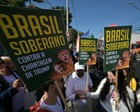
The white-glove diplomacy between Washington and Brasília just shattered.
On July 16, 2026, the Trump administration announced a massive 25% tariff on a wide array of Brazilian products. Set to kick in on July 22, the move triggered immediate outrage from President Luiz Inácio Lula da Silva’s administration, which flatly rejected the US justification.
On paper, the Office of the US Trade Representative (USTR) claims this is the result of a year-long Section 301 investigation into "unfair trade practices," ranging from lax anti-corruption efforts to Brazil's domestic digital payment systems like PIX.
But don't let the technical jargon fool you.
This isn't a standard trade dispute. The US actually runs a long-standing goods trade surplus with Brazil. Instead, this is a highly calculated political squeeze play. It connects Washington’s MAGA loyalists with Brazil’s far-right opposition, just months before Brazil’s high-stakes presidential election.
The Core of the Dispute
The official narrative from US Trade Representative Jamieson Greer is that Washington spent a year negotiating with Brasília to fix deep-seated economic imbalances, but those talks went nowhere.
The USTR investigation targeted several elements of Brazil's modern economic setup. The strangest target is PIX. It's Brazil’s wildly successful, state-owned instant payment network used by nearly every citizen daily. The US financial lobby has long hated it, but labeling it a discriminatory trade practice under Section 301 is a stretch, even by Washington's aggressive standards.
Secretary of State Marco Rubio didn't hide the administration's personal disdain for Lula. He claimed Lula has not negotiated in good faith, choosing "his own ego" over his people's economic welfare.
What's Exempted from the July 22 Tariffs:
- Coffee
- Beef
- Oranges and orange juice
- Key aerospace parts
- Select oil and gas energy products
By exempting commodities like coffee, beef, and aerospace parts, the US is protecting its own supply chains from immediate shock. It’s a tactical choice: squeeze Brazil’s industrial sectors while leaving US breakfast tables untouched.
Why This is Really About the October Election
You have to look at the timing and the political players to understand what's actually happening here. Brazil goes to the polls in October.
Lula’s fiercest domestic rival is Flávio Bolsonaro, the opposition candidate and son of former President Jair Bolsonaro. While the elder Bolsonaro is currently serving a 27-year prison sentence, Flávio has been busy building deep ties with the Trump administration.
In a stunning move at a US International Trade Commission hearing, Flávio Bolsonaro actually urged Washington to delay the worst of the economic pain until after October. His pitch? If he wins, he will reverse Lula’s "anti-American" policies, offering a much friendlier regime for US tech and business.
This tariff announcement is a massive electoral gift to the Brazilian right. By hammering Lula’s economy, the Trump administration is giving Flávio Bolsonaro the perfect talking point: Lula’s combative foreign policy is costing Brazilians their livelihoods.
The Free Speech Proxy War
Behind the trade numbers is another battle: sovereignty over social media.
Last year, Brazil’s Supreme Court ruled that social media platforms like Elon Musk’s X and Meta could be held legally liable for user content, forcing them to take down anti-democratic posts and far-right hate speech.
Washington didn't like that. Donald Trump proposed a 25% tariff shortly after, accusing Brazilian judges of censoring American technology companies. What Brazil sees as protecting its democracy from a repeat of the 2023 coup attempt, Washington has reframed as an unfair trade barrier against US tech giants.
It shows how trade policy has become a weapon to enforce US tech dominance and political preferences abroad.
What Happens Next
If you are a business owner importing from or exporting to South America, here is your playbook for the coming months:
- Audit Your Supply Chain Instantly: Check the exact customs codes of your imported goods. If they fall outside the primary agricultural exemptions, prepare for a 25% cost hike on July 22.
- Watch for Retaliation: Lula’s government is highly unlikely to take this lying down. Expect reciprocal tariffs on US industrial exports or a pivot toward deeper economic partnerships with China and the EU.
- Hedge Your Currency Exposure: The Brazilian Real will face severe volatility as the October election approaches and trade tensions mount. Lock in exchange rates now to protect your margins.