The alliance between Washington and Riyadh has always been built on a simple, unspoken transaction. The Saudis supply the oil, and the Americans supply the muscle. But the 2026 Iran war just shattered that century-old agreement. What looked like a unified front against Tehran has dissolved into a bitter, behind-the-scenes feud between Donald Trump and Saudi Crown Prince Mohammed bin Salman.
If you're watching the headlines about technical talks in Doha or ceasefire extensions, you're missing the real story. The genuine crisis isn't just between the United States and Iran. It's the profound fracturing of America's most critical Middle Eastern partnership. Riyadh's recent refusal to back American military operations inside its borders marks a point of no return.
The Project Freedom Shutdown
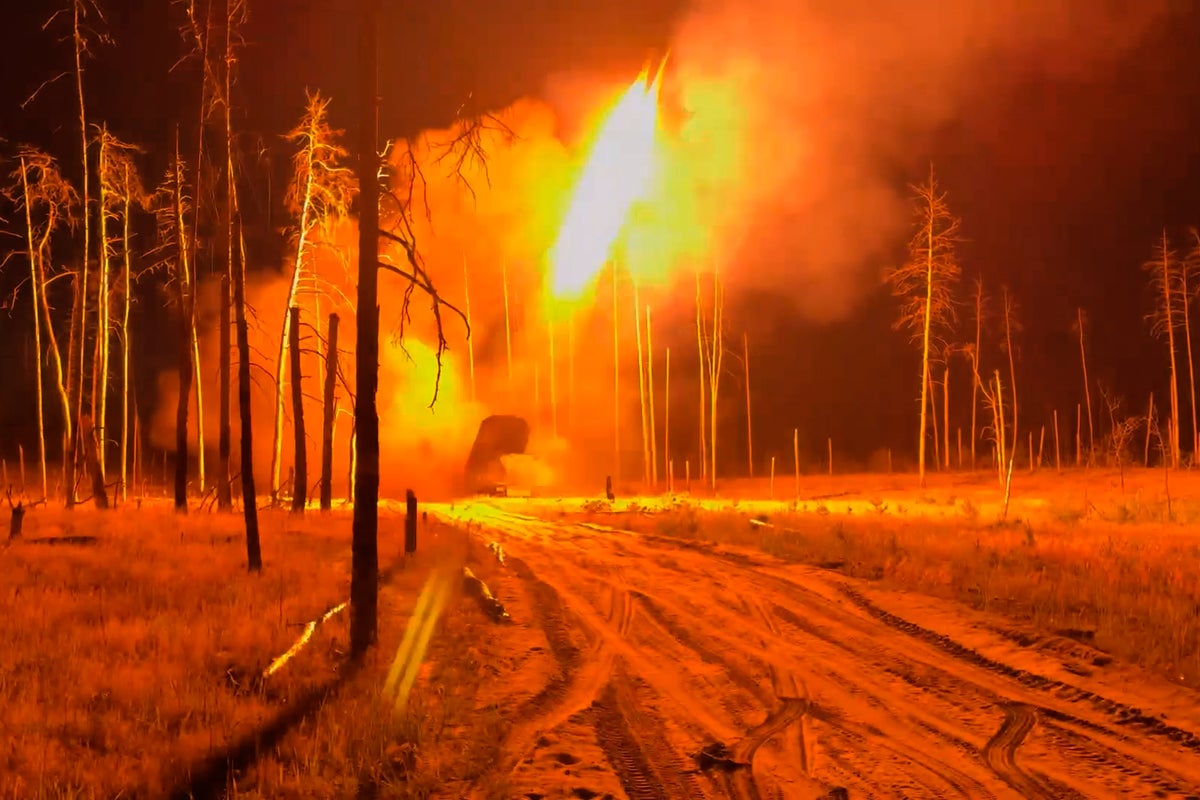
In May 2026, the White House launched Operation Project Freedom. The mission was straightforward on paper. The US military wanted to escort stranded commercial vessels out of the Strait of Hormuz and break Iran’s maritime chokehold. To make it work, American forces needed access to Saudi bases and airspace.
Riyadh said no.
It was a stunning defiance. For decades, the US took Saudi compliance for granted during regional conflicts. This time, the Crown Prince blocked the access entirely. Without Saudi airspace, Project Freedom became tactically impossible. Trump had to abort the mission after less than forty-eight hours.
Publicly, Trump spun the cancellation as a victory for diplomacy, claiming progress in talks with Tehran made the operation unnecessary. Behind closed doors, the administration went into a fury. The White House immediately threatened to withhold the delivery of critical Patriot missile interceptors. These are the exact systems Riyadh relies on to shoot down the steady stream of Iranian drones and missiles targeted at its oil infrastructure.
The Saudis eventually blinked and allowed Project Freedom to resume covertly. But the trust is gone.
Why Riyadh Tried to Stop the War
Saudi Arabia didn't oppose Project Freedom out of sympathy for Iran. They opposed it out of pure self-preservation. When the US and Israel launched Operation Epic Fury on February 28, 2026, they didn't consult Riyadh on the full scope of the plan. The opening wave of nearly 900 strikes eliminated Supreme Leader Ali Khamenei but triggered regional chaos.
The Saudis had lobbied Trump for months against starting an all-out war. They warned that trying to topple the regime would backfire. Their fears materialized instantly. Iran responded by attacking energy infrastructure across the Gulf, hitting targets in the United Arab Emirates and threatening Saudi facilities.
Saudi officials also grew furious with the UAE. Early in the conflict, Abu Dhabi cheered on the attacks against Iran. Riyadh warned that this aggression put the entire region's economy at risk. The Saudis wanted a diplomatic off-ramp, not a burning hemisphere. Trump went ahead anyway.
Diplomatic Snubs and Moving Troops
The fallout from this dispute is playing out through high-level political insults. Last week, Secretary of State Marco Rubio made a highly publicized tour of the Persian Gulf. He made strategic stops in the United Arab Emirates, Kuwait, and Bahrain.
He completely bypassed Riyadh.
The Saudis viewed the omission as a direct snub. It was retaliation for an earlier move by Mohammed bin Salman. A week prior, the Crown Prince turned down a formal invitation to attend the G7 summit in France, where Trump was present. MBS stayed home to protest Washington’s reckless management of the war.
Now, the Pentagon is quietly considering a move that would have been unthinkable a few years ago. Officials are discussing reducing the long-term US military footprint inside Saudi Arabia. Instead, planners want to shift those assets to more cooperative regional partners like Jordan and Israel.
The Failure of Epic Fury
To understand why the Saudis are so angry, you have to look at the math of the war itself. Operation Epic Fury succeeded in killing top Iranian leadership, but it failed to achieve its core strategic objectives.
Iran's military apparatus didn't collapse. Instead, Mojtaba Khamenei took power as the new supreme leader, adopting a more repressive and hawkish stance than his father. The conflict killed thousands of people across Iran, Lebanon, and Israel. It ground global shipping to a halt. It forced airlines to reroute thousands of flights daily to avoid regional airspace.
Trump recently remarked on Truth Social that the US might need to "militarily complete the job." Yet, his actions suggest he knows the limits of American firepower in this scenario. Defense Secretary Pete Hegseth and General Dan Caine have presented options for renewed waves of devastating strikes. Trump has hesitated. He fears a total return to full-scale war will permanently destroy any chance of a diplomatic solution regarding Iran’s nuclear program.
What This Means for Your Portfolio and Global Trade
This isn't just a story about disgruntled politicians in palaces. The breakdown of the US-Saudi relationship has immediate consequences for global markets.
If the US pulls back its security guarantees, Saudi Arabia will look elsewhere for protection. Beijing is already waiting in the wings. China brokered the temporary two-week ceasefire back in April, proving it can wield significant diplomatic leverage in the Gulf.
Investors should expect long-term volatility in energy sectors. If Riyadh can no longer count on American interceptors to protect its desalination plants and oil fields, the premium on global crude will stay high. The days of cheap, guaranteed security in the world's most vital energy corridor are over.
Your Next Strategic Steps
If you run a business relying on global supply chains or manage investments exposed to energy markets, stop assuming the old Middle East status quo applies.
First, audit your shipping vulnerabilities. The ongoing dispute over transit fees in the Strait of Hormuz means shipping costs will remain unpredictable through the rest of 2026. Oman has proposed a voluntary fee system for vessels using the channel, while Iran insists on an obligatory toll. Expect delays to continue.
Second, diversify away from direct Gulf energy dependencies where possible. The institutional friction between Trump and MBS means joint US-Saudi military readiness is at its lowest point in modern history. A sudden Iranian drone escalation could catch a divided alliance off guard, sending oil prices north of a hundred dollars a barrel in an afternoon.
The alliance isn't dead yet, but it's on life support. Washington wants compliance, and Riyadh wants security. Right now, neither side is getting what they signed up for.