You can only hide a burning oil refinery for so long. When thick black smoke billsows into the sky from an energy hub more than 1,000 kilometers away from the Ukrainian border, the official narrative starts to crack. That's exactly what's happening deep inside Russia right now.
Ukrainian forces just pounded Russia's massive Ufa oil refinery for the second time in a single week. This isn't a minor border skirmish. It's a calculated, long-range campaign that's actively crippling Moscow's war machine from the inside out.
For years, the Kremlin downplayed these attacks as minor inconveniences. Not anymore. The reality on the ground has shifted so dramatically that even Vladimir Putin recently conceded on state television that these continuous infrastructure strikes are creating real problems for the country. When one of the world's largest energy giants has to introduce domestic fuel rationing, you know the strategy is working.
The Strategy Behind Hitting Ufa and Penza
The Ufa refinery, located in Bashkortostan, is a vital piece of the Kremlin's economic puzzle. It's one of Russia's single largest producers of specialized lubricants. Without lubricants, heavy military hardware, transport trucks, and factory machinery grind to a halt. By hitting this specific facility twice in seven days, Ukraine isn't just trying to cause a temporary fire. It's looking to freeze the supply chains that keep Russian troops moving.
But the long-range pressure didn't stop in Ufa. During the exact same wave of attacks, Ukrainian homegrown weapons reached a strategic facility inside the Penza region, roughly 500 kilometers from Ukraine and southeast of Moscow. This wasn't an oil asset. It was a targeted strike on a plant responsible for manufacturing missile components.
These are the exact same missile components used to build the weaponry that rains down on Ukrainian cities. By taking out the source, Kyiv is executing a dual-track strategy: starve the frontline vehicles of fuel while choking off the production of precision munitions at the factory level.
Moving Past Western Red Lines With Homegrown Tech
For a long time, the international community debated what kind of weapons Ukraine should be allowed to use. Western allies worried about escalation and restricted the use of their long-range missiles inside Russian territory. Ukraine responded by building its own solutions.
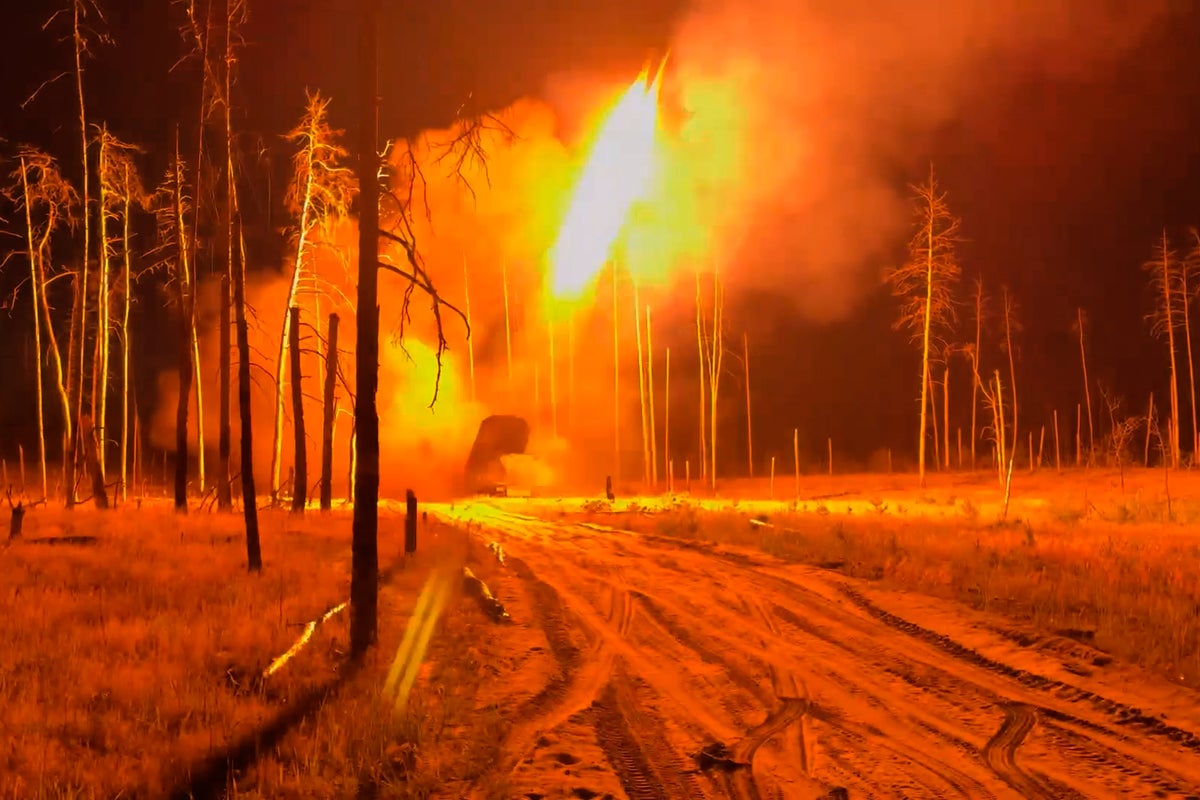
This entire deep-strike campaign relies on domestically developed and manufactured drones and missiles. Ukrainian engineers modified existing technology to create long-range strike platforms capable of bypassing extensive Russian air defense networks.
The numbers tell the story. The Russian Defense Ministry claimed to intercept 179 Ukrainian drones across 16 different regions in a single night. While regional governors like Penza's Oleg Melnichenko tried to claim that only "downed drone debris" caused minor damage to a building, the sheer volume of assets required to protect these vast territories is stretching Russia's air defense capabilities to a breaking point.
The Grind on the Frontline
The immediate consequence of these refinery strikes isn't just felt at the pump in Moscow. It alters the physics of the war on the frontlines.
Ukrainian Minister of Defense Mykhailo Fedorov pointed out that the Russian army is facing immense logistical hurdles delivering and supplying infantry. An army runs on its stomach, but its trucks run on diesel. When fuel depots and pipeline pumping stations are systematically dismantled, commanders have to make hard choices about which sectors get supplied and which ones go hungry.
To make matters worse for the Kremlin, international partnerships are solidifying Ukraine's defensive capabilities. Sweden just finalized an agreement to supply Kyiv with Gripen fighter jets. These jets are expected to play a massive role in countering Russian aircraft that deploy destructive glide bombs along the frontlines. Sweden's Minister of Defense, Paul Jonsson, openly noted during talks in Kyiv that Ukraine is rapidly transforming into a core security provider for the entire European continent.
The Human Toll Continues
While Ukraine targets industrial and military infrastructure, Russia continues its policy of hitting civilian soft targets. The same day the Ufa refinery burned, Russian long-range attacks killed three Ukrainian civilians.
In the southern Kherson region, a Russian drone struck a civilian bus, killing two people and wounding six others. Meanwhile, overnight strikes in the central Dnipropetrovsk region targeted five separate commercial gas stations, killing a 43-year-old woman and injuring three others, including a pregnant woman. The deliberate targeting of commercial fueling stations shows a clear Russian retaliation pattern against everyday infrastructure inside Ukraine.
Your Next Steps to Track This Shift
The war is no longer contained to the trenches of the Donbas. To understand how this campaign evolves over the coming months, keep your eyes on three specific indicators:
- Regional Russian Fuel Pricing: Watch for expanding fuel rationing policies across central Russian regions. If the Ufa refinery remains offline or experiences reduced capacity, civilian shortages will spike.
- Black Sea Shipping Data: Track whether Russia begins importing refined petroleum products by sea to cover internal deficits. If a massive energy exporter starts importing fuel, the systemic damage is severe.
- The Alliance Summit in Turkey: Pay close attention to the upcoming Euro-Atlantic defense talks. The integration of Ukrainian military technology, especially its advanced drone systems, will be a major point of discussion among European defense leaders.