Don't count your chickens before they hatch, and definitely don't spend your soybean profits before an international treaty is signed. The Trump administration is aggressively selling its new interim peace pact with Iran as a massive financial windfall for the American heartland. But if you look past the political theater, the actual mechanics of the deal tell a wildly different story.
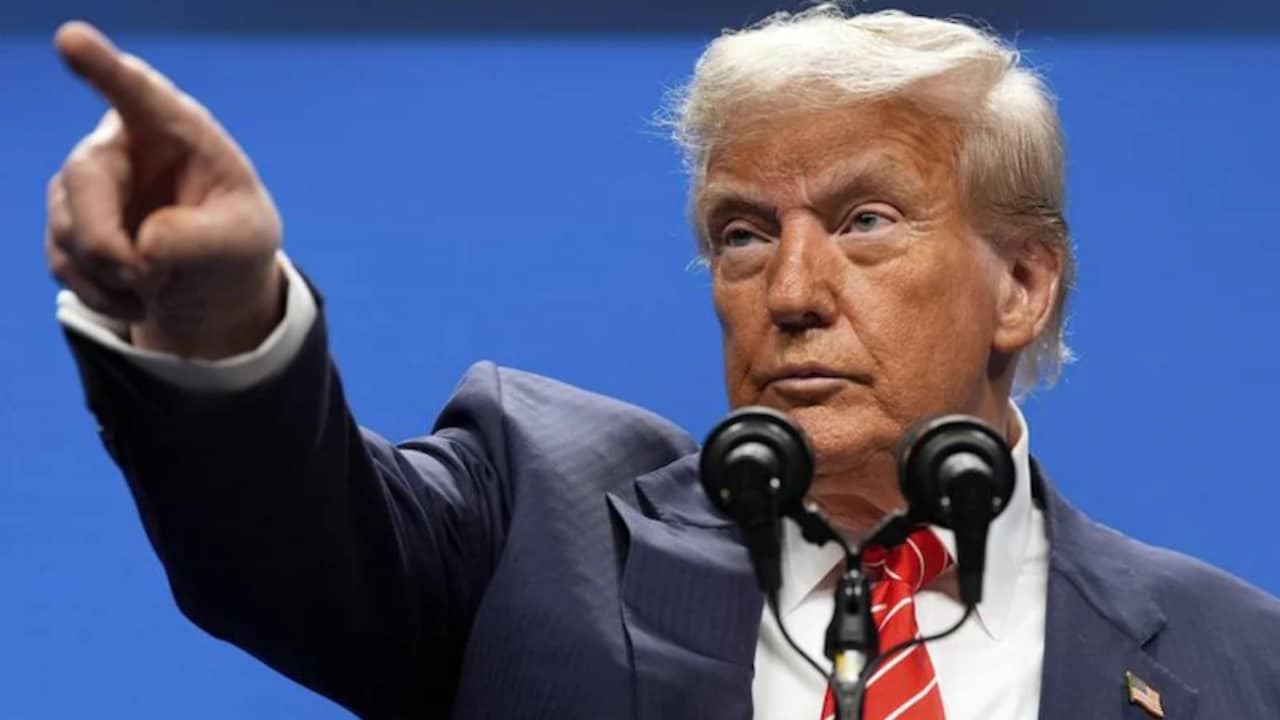
President Donald Trump and Vice President JD Vance claim that billions of dollars in frozen Iranian assets will soon flow directly to US farmers. The narrative is simple. The US releases the cash into an escrow account, and Iran must use that money to buy American corn, wheat, and soybeans. Vance even publicly credited Jared Kushner with the idea, branding it a "classic Trump deal" during a press conference in Switzerland.
There's just one problem. Tehran says absolutely not.
Iran completely denies that any such condition exists. Foreign Ministry spokesperson Esmail Baghaei snapped back, pointing out how bizarre it is that a conflict meant to address national security supposedly ended up as an American farm subsidy program. Iranian officials insist they will buy food based on market prices and quality, not dictation from Washington.
So who's telling the truth? Honestly, it's a mess, and the reality leaves American agriculture stuck in the middle.
The Sanctions Friction Washington Ignores
To understand why this "payday" is shaky, you have to look at how international banking works. The White House claims the US Treasury will control these multi-billion-dollar escrow accounts. But banking experts are deeply skeptical.
Richard Nephew, a senior research scholar at Columbia University who designed Iran sanctions during previous administrations, points out that forcing foreign banks to comply isn't simple. The US can tell an overseas bank holding frozen cash that it can only move the money to buy American crop shipments. But banks don't have to listen. If they refuse, the US has to threaten them with secondary sanctions. Doing that makes Washington look like it's using global security mechanisms for a naked cash grab.
Historically, agricultural trade with Iran is practically non-existent due to these exact banking hurdles.
- $3.4 million: Total US agricultural exports to Iran last year.
- Zero: The amount of corn, wheat, or soybeans shipped to Iran by US growers in that same period.
American farm groups are playing it safe. Organizations like the American Soybean Association and the National Corn Growers Association have declined to celebrate. They know the ground shifts by the hour.
Real Market Competitors Won't Step Aside
Even if the financial pipes get cleared, Iran won't just dump its current suppliers. Joseph Glauber, a veteran researcher at the International Food Policy Research Institute, notes that Tehran has deep, established trade networks.
Iran buys its grain from heavyweights like Brazil, India, Turkey, and the European Union. These countries offer competitive pricing and don't tie their food supply chains to military brinkmanship. Expecting Iran to suddenly abandon Brazil for American soybeans just because Donald Trump says so ignores basic global trade economics.
Then there's the domestic political angle. The Senate recently approved a war powers resolution in a tight 50-48 vote to limit military action against Iran. Republican lawmakers are openly fractured over the conflict and the resulting deal. Trump is facing heavy criticism for failing to secure long-term concessions on Iran's nuclear program or its missile networks. Spinning the memorandum of understanding as an economic victory for the domestic base is standard political survival.
Unfreezing the Strait of Hormuz for a 60-day negotiation window will certainly stabilize global oil markets. That's a net positive. But expecting a direct pipeline of cash to pour into American silos is a massive stretch.
If you're managing agricultural risk right now, hedge your bets. Don't alter planting cycles based on White House press briefings. Keep an eye on actual Treasury department guidelines regarding the asset releases, and watch how European and Asian clearing houses react. Trade policy changes when contracts are signed and cleared, not when statements drop on social media.