For decades, the narrative surrounding the city across the lake from Seattle has been one of sterile perfection, a glass-and-steel playground built entirely for the corporate elite. Visitors often arrive expecting a sanitised mall experience or a series of quiet cul-de-sacs where the most exciting event is a homeowner association meeting. This perception isn't just a bit off; it’s a fundamental misunderstanding of how the city has evolved into a dense, vertical urban experiment. When people search for Stuff To Do In Bellevue, they're usually looking for a list of parks or a directory of high-end boutiques. They're looking for a distraction. What they actually find is a city that has stopped trying to be a suburb and started trying to be a global city-state, one that functions with a mechanical precision that makes Seattle look like a disorganized relic. I’ve spent years watching this skyline rise, and the truth is that the city’s soul isn't found in its manicured greenery, but in its unapologetic embrace of the future. It’s a place where the activity isn't just about consumption; it’s about witnessing the literal construction of a new American urbanism.
The Myth of the Sterile Skyline
Critics love to point at the gleaming towers and complain about a lack of character. They see the lack of grit as a lack of culture. That’s a lazy take. If you walk through the downtown core on a Tuesday afternoon, you aren't just seeing people commuting; you're seeing the densest concentration of global tech talent outside of Silicon Valley. The character of this place isn't etched in Victorian brick or peeling paint; it’s etched in the hyper-efficient flow of its streets. People argue that the area lacks the "lived-in" feel of older cities. I'd counter that this very newness is the point. It’s an intentional design. The city didn't grow by accident; it was engineered to be a friction-less environment for high-performance living. When we talk about this topic, we have to acknowledge that the primary attraction is the efficiency itself. It’s a city that works. The elevators are fast, the streets are clean, and the transit is increasingly reliable. For a modern traveler, experiencing a city that actually functions as intended is a radical departure from the crumbling infrastructure of most American metropolitan areas.
The tension between the old-school suburban identity and the new vertical reality is where the interest lies. You can still find pockets of the 1950s if you drive far enough toward the edges, but the heart of the city has been ripped out and replaced by something much more ambitious. We’re witnessing the birth of a "second city" that no longer needs its neighbor to the west to justify its existence. This isn't a satellite anymore. It’s the hub. The skepticism toward this rapid growth usually comes from a place of nostalgia for a quiet town that hasn't existed since the nineties. You can’t hold onto a sleepy bedroom community while simultaneously hosting the headquarters of global giants. The trade-off was made long ago, and the result is a landscape that demands you pay attention to its scale.
Finding Real Stuff To Do In Bellevue
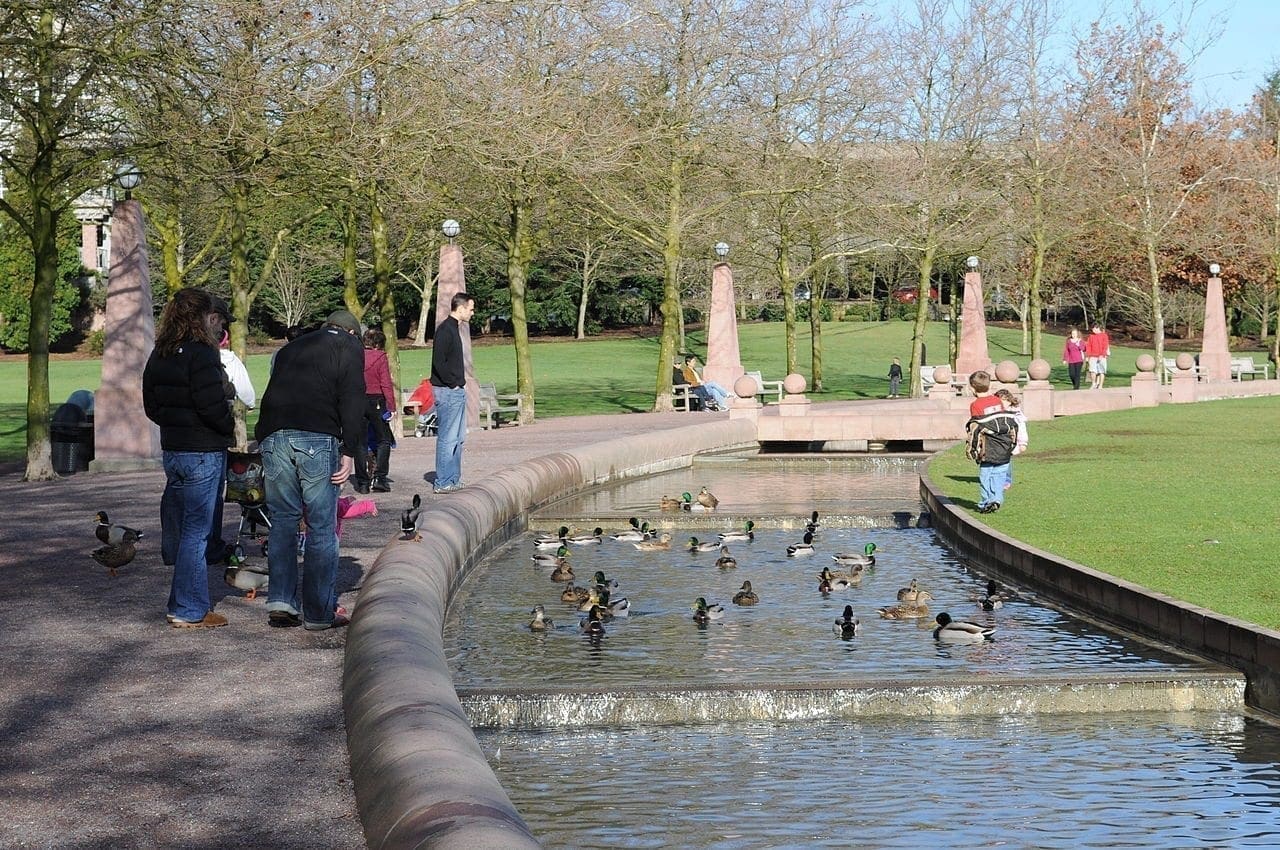
If you want to understand the city, you have to look past the obvious retail therapy. Most travel writers will point you toward the massive shopping complexes as the primary Stuff To Do In Bellevue, but that’s like saying the best thing about London is the Harrods gift shop. The real experience is found in the way the city integrates its technological identity with its physical geography. Take the way the local botanical gardens or the central park aren't just patches of grass; they're sophisticated pieces of environmental engineering designed to offset the heat island effect of all that glass and concrete. There’s a deliberate balance at play here. I’ve sat in the shadows of the skyscrapers and watched the way the city manages its "green" space. It isn't wild; it’s curated. That curation is the defining characteristic of the region.
The culinary scene offers another layer of evidence against the "sterile" accusation. While Seattle struggles with the rising costs of doing business, this city has become the landing spot for some of the most authentic and high-stakes international dining in the Pacific Northwest. We aren't talking about fusion food or trendy pop-ups. We’re talking about massive investments from global brands that see this city as a more stable and lucrative market than its neighbors. When you eat here, you’re tasting the capital flight from other regions. You’re seeing the result of a demographic shift that has brought thousands of highly skilled workers from across the globe, each demanding a piece of home. The result is a food culture that is more diverse and technically proficient than almost anywhere else in the state. It’s a bit blunt, but the best thing to do here is to eat your way through the international high-rises, where the chefs are often better funded and more experimental than their counterparts across the water.
The Engineering of Experience
I've talked to urban planners who view this city as a petri dish. They're obsessed with the "Bellevue Way" of doing things. It’s a philosophy that prioritizes private-public partnerships to create spaces that feel private but are technically public. This is where the skeptics find their strongest footing. They argue that this blurred line creates a city that feels like a gated community without the gates. They aren't entirely wrong. There is a sense of being "watched" in the city, not by a Big Brother entity, but by the sheer cleanliness and order of it all. You don't see the mess of human existence here because the city has spent billions to ensure the mess is managed elsewhere.
However, this managed experience is exactly what draws people in. There’s a certain relief in being in a place where the systems don't feel like they're on the verge of collapse. The transit center isn't just a place to catch a bus; it’s a node in a multi-billion dollar light rail expansion that will eventually link the entire Eastside into a singular, high-speed economic engine. The "stuff" people do here is often just moving through these systems. You're participating in a vision of the future that is clean, quiet, and incredibly expensive. You’re seeing what happens when a city decides that its primary product isn't history, but the future. This is the mechanism of the city: it’s a wealth-generating machine that uses its revenue to polish every surface until it shines.
The Cultural Counter-Current
Is there a soul beneath the polish? That’s the question that haunts every discussion about the area. If you look for it in the traditional places—the dive bars, the independent record stores, the gritty art galleries—you’re going to be disappointed. Those things require cheap rent and a certain level of urban decay to thrive. This city has neither. But soul isn't just about grit. It can also be found in the intense focus of its people. There is a palpable energy here, a sense that everyone is working on something that might change the world, or at least change the way we use our phones. The "culture" is one of ambition. It’s a culture of the 14-hour workday followed by a high-end meal and a walk through a perfectly lit park.
You can see this in the way the local arts museum operates. It doesn't focus on the past; it focuses on craft, design, and the intersection of art and technology. It’s a museum for a city of makers and engineers. This isn't an accident. The city’s cultural institutions have pivoted to reflect the interests of the people who actually live there. If you’re looking for a bohemian escape, you’re in the wrong zip code. But if you’re looking for a place that celebrates the precision of human achievement, you’ve found it. The detractors who call it "soulless" are usually just mourning a version of urban life that doesn't fit the reality of a global tech hub. We don't demand that Zurich or Singapore have "grit" to be considered world-class; it’s time we stop demanding it of the Eastside.
Reclaiming the Narrative
The reality of Stuff To Do In Bellevue is that it requires a different lens than most cities. You can't just wander and hope to stumble upon a hidden gem. The gems aren't hidden; they're sitting in plain sight, usually at the top of a tower or behind a sleek glass facade. The "secret" is that the city is designed for those who know what they want. It’s a city of intent. Whether you're here for the high-end gaming lounges that reflect the local industry, or the hidden cocktail bars that cater to the executive crowd, you have to be deliberate. The city doesn't give itself away for free. You have to pay the entry fee, whether that’s in the form of a dinner reservation or just the time it takes to understand the layout.
The biggest mistake visitors make is trying to treat it like a mini-Seattle. It isn't. It’s the antithesis of Seattle. While Seattle is a city of hills, history, and a certain level of comfortable chaos, this city is a city of flats, futures, and meticulous order. To enjoy it, you have to lean into that order. You have to appreciate the way the lights sync up, the way the sidewalks are wide enough for families and strollers, and the way the skyline looks like a digital rendering come to life. The skepticism about the city’s authenticity usually fades once you stop looking for what isn't there and start looking at what is. What’s there is a vision of 21st-century life that is unapologetic about its wealth, its ambition, and its desire for perfection.
The Future of the Second City
As the light rail connects the two sides of the lake more intimately, the distinction between the two cities will only grow sharper. We aren't looking at a merger; we’re looking at a rivalry that will define the region for the next century. The Eastside is no longer the "other" place. It’s the place where the capital is flowing, where the cranes are most numerous, and where the most interesting urban experiments are happening. The city is growing up, literally and figuratively. It’s moving beyond its reputation as a shopping destination and becoming a place where people live, work, and play in a vertical environment that was once the exclusive domain of Manhattan or Hong Kong.
The argument that there's nothing to do here besides spend money is a tired one. There’s plenty to do if you’re interested in the way the world is changing. Watching a city reinvent itself in real-time is a far more compelling activity than visiting a museum of the way things used to be. The city’s parks are becoming more sophisticated, its waterfront is being reclaimed for public use in ways that were unthinkable twenty years ago, and its skyline is becoming one of the most recognizable in the country. The "stuff" is the city itself. It’s the act of being in a place that is successfully navigating the transition from a suburban past to an urban future.
I've watched the sunsets reflect off the South Tower and seen the way the city transforms when the office lights stay on late into the night. There’s a beauty in that industry. There’s a beauty in the way the city doesn't apologize for what it is. It isn't trying to be "cool" in the way that Brooklyn or Portland tries to be cool. It’s trying to be excellent. And while excellence can sometimes feel cold, it’s also incredibly rare. In a world that is increasingly messy and unpredictable, there is a profound comfort in a city that has decided to be a sanctuary of order and high-performance living.
Stop looking for the cracks in the pavement or the "authentic" dive bars that don't exist. Instead, look at the way the light hits the glass at four o'clock on a Friday afternoon. Look at the way the city has managed to create a dense, walkable core out of a sea of parking lots. Look at the people who have come from every corner of the globe to build something here. That is the real story of the city. It’s a story of transformation, ambition, and the relentless pursuit of a better version of the urban dream. The city isn't a suburb with tall buildings; it’s a new kind of metropolis that doesn't need your approval to thrive.
The real draw isn't a specific park or a particular store, but the chance to stand at the center of an American city that has actually figured out how to grow without falling apart.