A French-flagged gas carrier slicing through the dark waters of the Persian Gulf doesn't usually make front-page global news. But when the ship is the Mraikh, and the water is the Strait of Hormuz in June 2026, its movement represents a seismic shift in global energy security. For 109 days, this vital chokepoint was a literal ghost town, choked off by a brutal military conflict that sent shockwaves through every gas station and utility company on the planet.
The Mraikh, a liquefied natural gas carrier loaded with 76,535 tonnes of Qatari gas, just became the first French vessel to clear the strait since the Iran-US war erupted on February 28. It's heading to Karachi's Port Qasim in Pakistan. This single transit is the first real-world proof that the freshly signed 14-point memorandum of understanding between Washington and Tehran might actually hold. Everyone in global trade is holding their breath right now. Building on this topic, you can also read: Why Surrendering to Despair Is Exactly What Today's Politicians Want From You.
If you think this is just about one ship getting to its destination, you're missing the bigger picture. This represents the painfully slow, highly dangerous unpacking of the biggest maritime logjam of our generation.
The Reality of a 109 Day Energy Blackout
When US and Israeli air strikes hit Iran back in late February, the global energy market didn't just stumble. It shattered. The Strait of Hormuz normally handles about 20 percent of the world's crude oil and massive chunks of liquefied natural gas. Overnight, daily traffic plummeted by more than 90 percent. Experts at USA Today have shared their thoughts on this matter.
Before the first bombs fell, roughly 130 commercial ships transited this narrow strip of water every single day. During the war, that number slowed to a microscopic trickle of about seven to ten ships a day, mostly desperate operators creeping through Iranian territorial waters or running completely dark with their AIS transponders turned off.
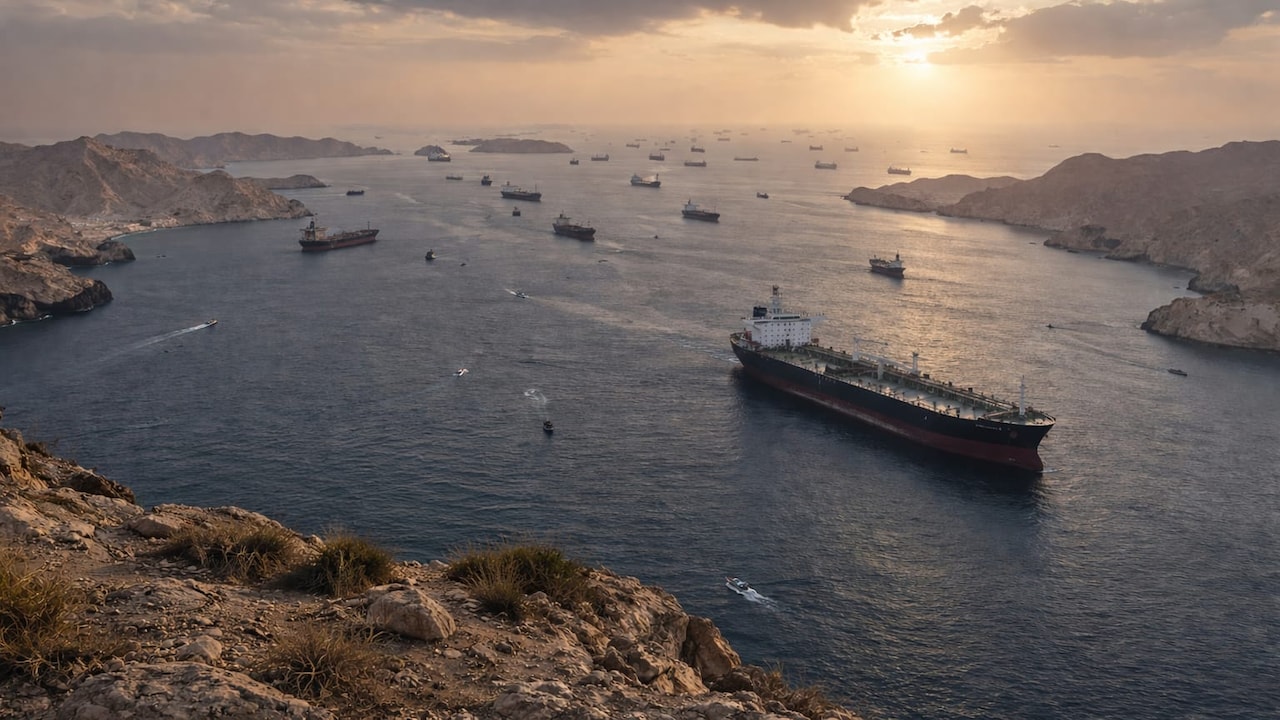
Think about the sheer scale of the paralysis. According to figures from the International Chamber of Shipping, more than 500 commercial vessels and an estimated 20,000 seafarers have been stranded inside Gulf waters for nearly four months. Crews have been stuck in limbo, running safety drills in scorching heat, rationing supplies, and watching the horizon for anti-ship missiles or naval mines. It hasn't just been an economic crisis. It's been a humanitarian stalemate on the high seas.
The Mraikh, operated by Knutsen LNG France, broke that spell. Data from tracking platforms like MarineTraffic and Kpler showed the vessel starting its engine and moving outbound. It wasn't alone either. Maritime analytics firm Windward reported that a handful of other vessels, including three massive Saudi supertankers carrying two million barrels of crude each, also made the run.
What the 14 Point Deal Actually Changes
Don't let the sudden burst of optimism fool you into thinking the Middle East is suddenly peaceful. The agreement signed by President Donald Trump and Iranian officials provides a framework to end the active war, giving negotiators a maximum of 60 days to hammer out a final treaty. But a signed piece of paper in a European diplomatic hall doesn't automatically make the oceans safe for commerce.
The immediate market reaction was predictable. Oil prices dipped, and stock markets around the world saw a brief relief rally. But shipping companies are inherently cynical, and for good reason. They operate on hard math, insurance premiums, and the physical safety of assets worth hundreds of millions of dollars.
Islamabad played a quiet, heavy-handed role in brokering this bridge between Washington and Tehran, which explains why the Mraikh's cargo of Qatari gas is desperately needed at Pakistan's Port Qasim. Yet, despite the diplomatic breakthroughs, the maritime industry is shouting a collective warning: the danger hasn't vanished.
The Lethal Traps Left Behind in the Water
If you talk to maritime security experts right now, they aren't celebrating. They're sweating. Jakob Larsen, the chief security officer for the prominent shipowners' association BIMCO, dropped a massive dose of reality right after the deal was announced. The central part of the Strait of Hormuz is heavily mined. It's currently un-navigable for standard commercial traffic.
Let that sink in. The war might be officially pausing, but the weapons of that war are still bobbing up and down in the shipping lanes. Iran designated the central channel as a mine-danger zone weeks ago. Until international minesweeping operations clear those waters, ships are forced to hug specific coastal routes or risk catastrophic explosions.
This means the reopening won't be an immediate floodgates-open scenario. It's going to be a highly coordinated, agonizingly slow trickle. Ships will likely have to use narrow, designated lanes in Iranian territorial waters, relying heavily on local pilots and hoping no stray magnetic mines have drifted off course.
Then there's the hidden physical cost of the lockdown itself. You can't just leave a 100,000-ton steel vessel sitting idle in warm tropical waters for four months without consequences. Hundreds of these stranded ships are going to need extensive underwater hull cleaning before they can even operate efficiently. Barnacles, algae, and heavy marine growth have built up on the hulls, creating massive hydrodynamic drag that destroys fuel economy. The dry docks and hull-cleaning facilities in the region are about to face a historic backlog.
The Cold Economics of War Risk Insurance
For an ordinary person, peace means the war stops. For a shipowner, peace means the underwriters at Lloyd's of London change their risk ratings.
Right now, anyone wanting to send a ship through Hormuz is staring down astronomical war risk insurance premiums. Hugo Rousse from the maritime tracking group AXSMarine expects that the very first companies to regularize their transits will be private operators who own their own fleets outright, rather than publicly traded corporations that have to answer to risk-averse boards and skittish shareholders.
Because charter rates and tanker earnings skyrocketed during the war due to supply scarcity, some operators can easily absorb these high insurance costs. They'll take the gamble because the payout for delivering a cargo of crude or LNG right now is absurdly high. But for smaller operators, the math just doesn't work yet. They will wait until a formal international naval coordination body is set up to escort commercial fleets through the cleared channels.
The Immediate Next Steps for Maritime Operators
If you have assets tied up in Gulf shipping or rely on supply chains running through the Middle East, the next two weeks are critical. The situation requires action, not passive observation.
- Audit Hull Conditions Immediately: If your vessels have been part of the 500-ship backlog stranded in the Gulf, secure diving inspections and hull-cleaning slots in nearby un-impacted ports now. The drag from four months of biofouling will burn through your profit margins via excess fuel consumption.
- Re-route Via the Iranian Route and Keep Transponders Active: Do not attempt to cut through the central strait. Instruct fleet masters to stick strictly to the heavily monitored coastal lanes designated by regional maritime authorities.
- Negotiate Short-Term War Risk Clauses: Don't lock into long-term insurance premiums based on wartime rates. The 14-point deal means these numbers will fluctuate wildly over the next 60 days as minesweeping progress reports are published. Keep your coverage flexible.
The passage of the Mraikh isn't the end of the crisis. It's the opening whistle of a logistical marathon. The energy world is moving again, but it's walking through a minefield to do it.