Imagine knowing exactly what the president is about to say minutes before he walks up to the podium. For most people, that's a hypothetical civics question. For a handful of anonymous traders on platforms like Polymarket and Kalshi, it turned into a $600,000 payday.
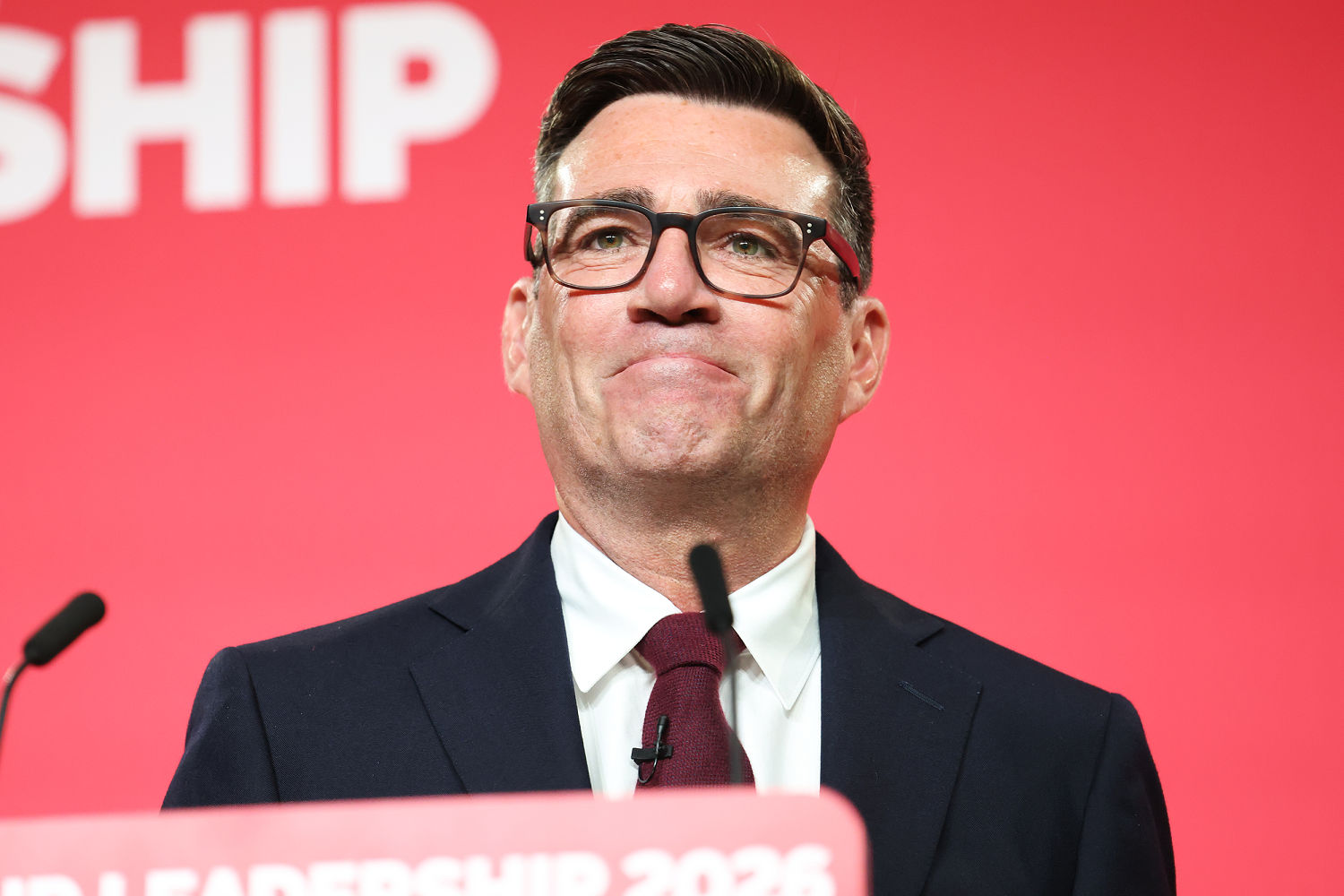
Washington is currently dealing with a deeply weird, hyper-modern crisis: political insiders cashing in on non-public government data through prediction markets. It's not just about political gossip anymore. When anonymous accounts successfully bet on a highly sensitive US-Iran ceasefire deal right before it goes public, it ceases to be a novelty game. It becomes a massive national security vulnerability. Also making waves in this space: Andy Burnham Is Britain's Seventh Prime Minister In A Decade And Politics Will Never Be The Same.
The reality behind the headline is that the federal government is totally unprepared for the weaponization of political prediction markets.
The $600,000 Ceasefire Bet That Sounded the Alarm
The trouble started bubbling earlier this year after Donald Trump announced an initial ceasefire with Iran on April 8. On paper, it was a major diplomatic breakthrough. Behind the scenes, blockchain analytics firm Bubblemaps noticed something fishy: three anonymous accounts on Polymarket walked away with over $600,000. More details on this are covered by USA Today.
These weren't lucky guesses. The accounts placed heavy five-figure wagers that the US and Iran would strike a deal before the end of April. They bought their positions at market price, moving the needle on the ceasefire's probability from a measly 6% to 24% in a matter of days. They traded with the absolute confidence of someone who already knew the outcome.
The White House Counsel’s Office panicked. Lawyers began canvassing aides across the West Wing, desperately trying to figure out who among hundreds of staff members had loose lips or an active crypto wallet.
They found nothing. Because Polymarket lets users register anonymously via crypto wallets, tracing the physical humans behind the trades is incredibly difficult.
When the Teleprompter Operator Becomes a Trader
If you think the ceasefire leak was an isolated incident, look at what just happened with Gabriel Perez.
Perez isn't a high-ranking diplomat or a cabinet secretary. He’s a technical aide who has operated Donald Trump’s teleprompter since 2016. Because of his job, he gets early access to presidential speech drafts.
The Commodity Futures Trading Commission (CFTC) and White House recently confirmed that Perez is under investigation for placing more than $100,000 in wagers on Kalshi. He was allegedly playing Kalshi’s "mentions" market—a niche corner of the site where people bet on whether specific words or phrases will be spoken during a live public address.
"The president had been informed about the situation, which she described as 'deeply unfortunate and frankly a disgrace'." — White House Press Secretary Karoline Leavitt
Perez has been placed on unpaid leave, and Trump is reportedly furious. But the Perez case highlights the real blind spot: insider trading in 2026 isn't just about corporate mergers. It's about access to text.
Prediction Markets Have Outpaced the Law
Here is what most people get wrong about this mess: our current laws are completely unequipped to handle it.
Traditional insider trading statutes were built for Wall Street. They protect corporate shareholders from executives who dump stock before an earnings report. They were never designed to police a platform where you can bet on a president’s choice of tie, a vice-presidential pick, or the timing of a military strike.
The scale of this industry is exploding. Political wagering on Polymarket roughly doubled to over $4 billion in the first quarter of this year compared to the same period in 2025. Combined with Kalshi, total trading volume across the platforms has reached a staggering $26.6 billion.
The money is too big to ignore, yet the regulatory framework is a patchwork. The Trump administration has generally been friendly toward prediction markets. In fact, CFTC Chairman Michael Selig has publicly supported Kalshi in state-level legal battles, arguing that federal law should preempt state bans. To complicate things further, Donald Trump Jr. is an active investor in Polymarket through his venture capital firm, 1789 Capital.
This leaves federal investigators in a bizarre bind. They are trying to police a booming financial frontier using rules that don't fit, all while the administration itself protects the platforms.
How the Government Plans to Crack Down
The White House tried playing nice. On March 23, an internal memo made the rounds instructing all staff that using non-public information for personal financial gain was strictly forbidden. Clearly, that warning didn't stick.
Now, the Department of Justice and the CFTC are shifting from warnings to active prosecutions. They are focusing heavily on two fronts:
- Enforcing Platform Bans: Kalshi has already started swinging the hammer, issuing fines to three US political candidates who were caught betting on their own elections. They've also blocked dozens of campaign staffers from trading.
- Targeting Government Actors: The DOJ is pursuing its first wave of insider trading cases linked to these platforms. Beyond the teleprompter investigation, a US Army special forces soldier was recently indicted over suspicious Polymarket bets regarding the military operations surrounding Venezuelan President Nicolás Maduro.
The platforms claim they are cooperating. Kalshi’s surveillance team flags anomalous trading patterns and immediately routes them to the CFTC. Polymarket says it actively monitors for insider trading and has referred more than 100 cases to law enforcement. But as long as offshore or crypto-based platforms allow pseudonymous trading, the structural loophole remains wide open.
If you work in government, military intelligence, or even on a prominent political campaign, the era of treating prediction markets like a harmless hobby is over. Expect stricter device monitoring, mandatory disclosures of crypto wallets, and immediate termination if you're caught playing the odds on your own day job. Washington is learning the hard way that when information is worth millions, someone will always try to monetize the leak.