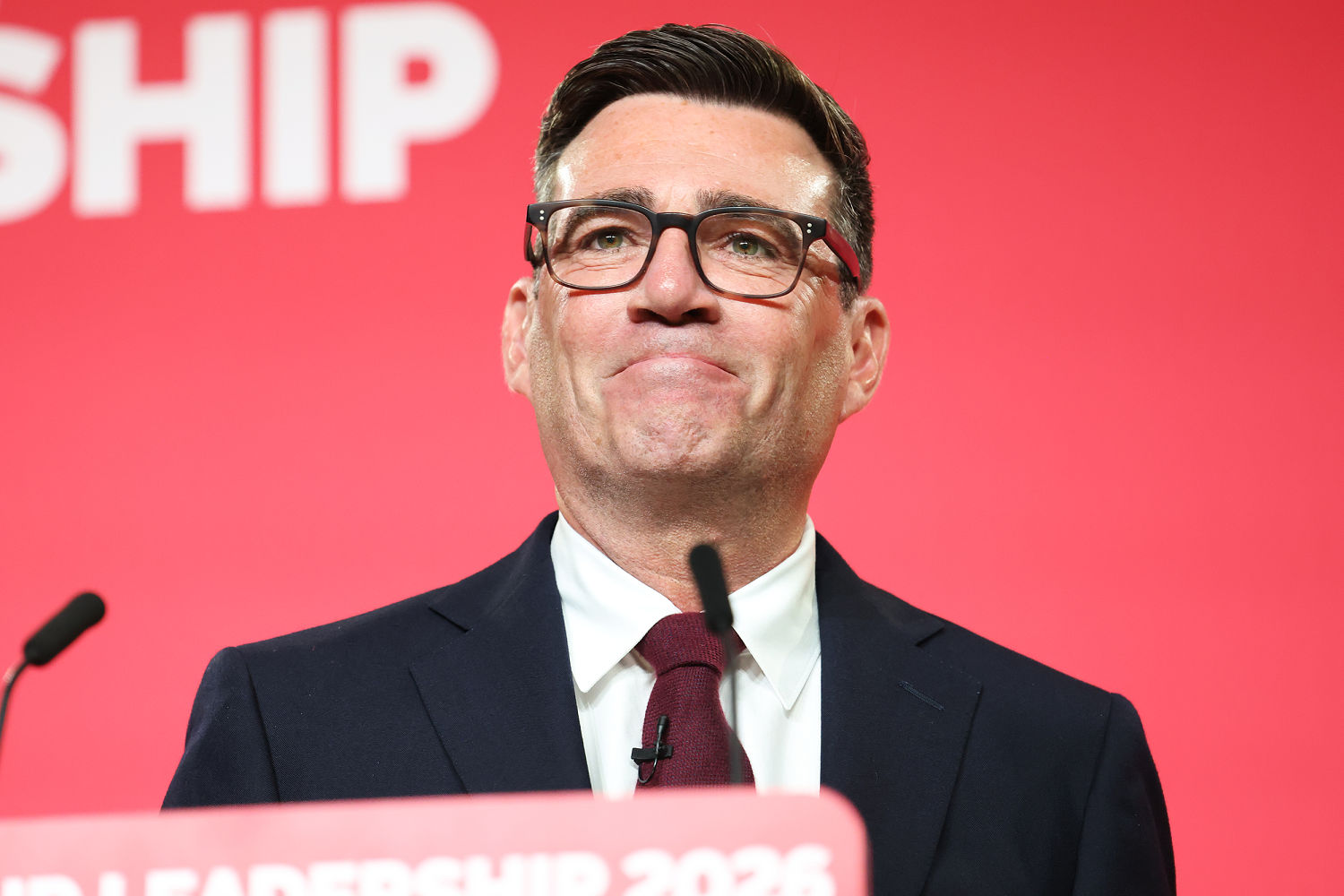
When Andy Burnham steps through the door of 10 Downing Street after meeting King Charles III, he won't just be taking over a government. He'll be stepping into a political pressure cooker that has burned through six world leaders in just ten years.
British politics has turned into a high-speed carousel since 2016. Conservative and Labour leaders alike have been swept in on waves of grand promises, only to be tossed out by economic shocks, backbiting, and relentless voter frustration. Now, the former Mayor of Greater Manchester—famously dubbed the "King of the North"—is getting his turn in the hot seat.
He isn't coming in as a standard Westminster insider, either. Burnham spent nine years outside the London bubble, rebuilding his reputation by fixing local transit, fighting for housing, and picking loud public fights with central government during national crises. But can the regional manager of Greater Manchester actually govern a fractured nation?
Here's how Burnham pulled off one of the most remarkable comebacks in modern political history, why Keir Starmer's government crashed so fast, and what this sudden shift means for everyday citizens.
The Rapid Collapse of Keir Starmer
To understand how Andy Burnham ended up with the keys to Downing Street, you have to look at how quickly Keir Starmer's administration fell apart.
When Labour won its landslide back in July 2024, Starmer promised stability and "national renewal". Instead, his government got bogged down in policy missteps and self-inflicted wounds almost immediately. The fatal blow came with the controversy surrounding Peter Mandelson, whom Starmer appointed as UK ambassador to the United States in late 2024 despite known ties to Jeffrey Epstein. When U.S. Department of Justice documents revealed in late 2025 that Mandelson had misrepresented the depth of those ties, Starmer was forced to fire him. The backlash devastated Starmer's authority.
Party morale plummeted. Then came the local elections in May 2026. Labour suffered crushing losses across the country, shedding council seats to both Nigel Farage's Reform UK and regional candidates. Starmer's managerial approach couldn't rally voters who were still feeling the pinch from rising living costs and endless wait times for public healthcare.
By June 2026, Starmer announced his resignation. The race to replace him was on, and Burnham—who had cleverly secured a parliamentary seat in the Makerfield byelection just days before—was ready to move.
Six Predecessors and a Revolving Door at Number 10
Burnham is the seventh prime minister to take office since 2016. If that sounds crazy, that's because it is. Britain used to pride itself on long, predictable premierships. Today, Downing Street feels more like a short-term rental.
Look at the lineup that brought Britain to this point:
- David Cameron (Resigned July 2016): Rolled the dice on the Brexit referendum, lost, and walked away immediately.
- Theresa May (Resigned July 2019): Spent three miserable years trying to pass a Brexit deal through a divided Parliament before her own party turned on her.
- Boris Johnson (Resigned September 2022): Secured a massive majority in 2019, got Brexit done, but was ousted following the "Partygate" scandals and mismanaged misconduct allegations.
- Liz Truss (Resigned October 2022): Lasted just 49 days after an unfunded tax-cut plan crashed the pound and sent mortgage rates soaring.
- Rishi Sunak (Lost July 2024): Steady hands couldn't save a burnt-out Conservative party after 14 years in power.
- Keir Starmer (Resigned July 2026): Lasted two years before party infighting and plummeting poll numbers forced his departure.
That kind of churn destroys long-term planning. Civil servants spend all their time briefing new ministers instead of fixing schools, roads, or hospitals. Burnham knows he doesn't have the luxury of a honeymoon period. Voters are exhausted, cynical, and quick to discard leaders who don't deliver right away.
From Cabinet Minister to King of the North
Andy Burnham isn't a new face in British politics, but he's fundamentally altered who he is over the past decade.
Back in the late 2000s, Burnham was a typical rising star in New Labour, serving as Culture Secretary and Health Secretary under Tony Blair and Gordon Brown. He ran for the Labour leadership twice—in 2010 and 2015—and lost both times. To many observers back then, he seemed like an overly cautious politician who shifted his views whichever way the wind blew.
Everything changed when he walked away from Westminster in 2017 to run for Mayor of Greater Manchester.
Out in the north, Burnham reinvented himself. He threw off the suit, started wearing casual jackets and T-shirts, and focused on regional policy that people could actually see. He launched the Bee Network—bringing buses and trams under local public control for the first time in decades. He took on property developers over affordable housing. During the COVID-19 pandemic, he famously stood on the steps of Manchester Central Convention Complex and fought Boris Johnson's government for financial support for northern workers.
That standoff earned him the nickname "King of the North". It gave him something few Labour politicians have had recently: a distinct, popular political identity outside of London.
What Manchesterism Means for the Rest of Britain
Burnham calls his political philosophy "Manchesterism" or "business-friendly socialism."
Instead of running everything from Whitehall departments in London, Burnham wants to push real budget control and decision-making directly into local hands. He has already promised to set up a secondary "Number 10 North" office in Manchester to break up the central government routine.
His core arguments rest on three practical priorities:
- Devolution of Power: Giving regional mayors and local councils control over transport, housing, and adult skills training.
- Publicly Integrated Services: Following his Bee Network blueprint, Burnham wants cities across Britain to control their own public transport networks rather than relying on private bus operators.
- Social Infrastructure: Prioritizing massive council house construction and tackling social care reform—two massive headaches that previous governments kicked down the road.
It sounds great on paper. But let me tell you, running a single metropolitan region with 3 million people is a whole different beast than steering an entire nation of 67 million. In Manchester, Burnham had an overwhelming local majority and a compliant local council. In Westminster, he inherits a divided parliamentary party, hostile headlines, and a severe treasury deficit.
Can Burnham Stop the Rise of Reform UK
The biggest political hurdle sitting on Burnham's desk isn't even inside his own party. It's Reform UK.
Nigel Farage's populist party has been hammering Labour in traditional working-class towns across northern and central England. Under Starmer, Labour tried to fight back by adopting stricter immigration rhetoric. It backfired completely, alienating progressive voters while failing to convince Reform supporters.
Burnham's approach is totally different. He argues that you don't defeat populist movements by copying their talking points. You defeat them by making local public services work again. If people can get a doctor's appointment, afford a decent home, and ride a cheap, reliable bus to work, they won't feel so angry at the system.
Critics on the left fear he'll compromise too much with business leaders, while critics on the right claim he's just another career politician putting on a northern accent. He'll need to prove fast that "Manchesterism" works just as well in Plymouth, Newcastle, and Cardiff.
What to Watch Next
If you want to track whether Burnham's government will actually survive longer than his recent predecessors, keep your eye on these three immediate milestones:
- Cabinet Appointments: Watch whether Burnham rewards Starmer loyalists or packs his top team with regional allies and soft-left figures who backed his return.
- The Social Care Plan: Burnham promised immediate action on social care reform. If he doesn't put forward a funded plan within his first 100 days, momentum will stall.
- Transport Legislation: Look for early bills granting other English regions the legal power to franchise local bus networks like Greater Manchester did.
The turnover at 10 Downing Street has been brutal. Andy Burnham has talked a big game about fixing broken politics from the outside in. Now that he's on the inside, the clock is officially ticking.