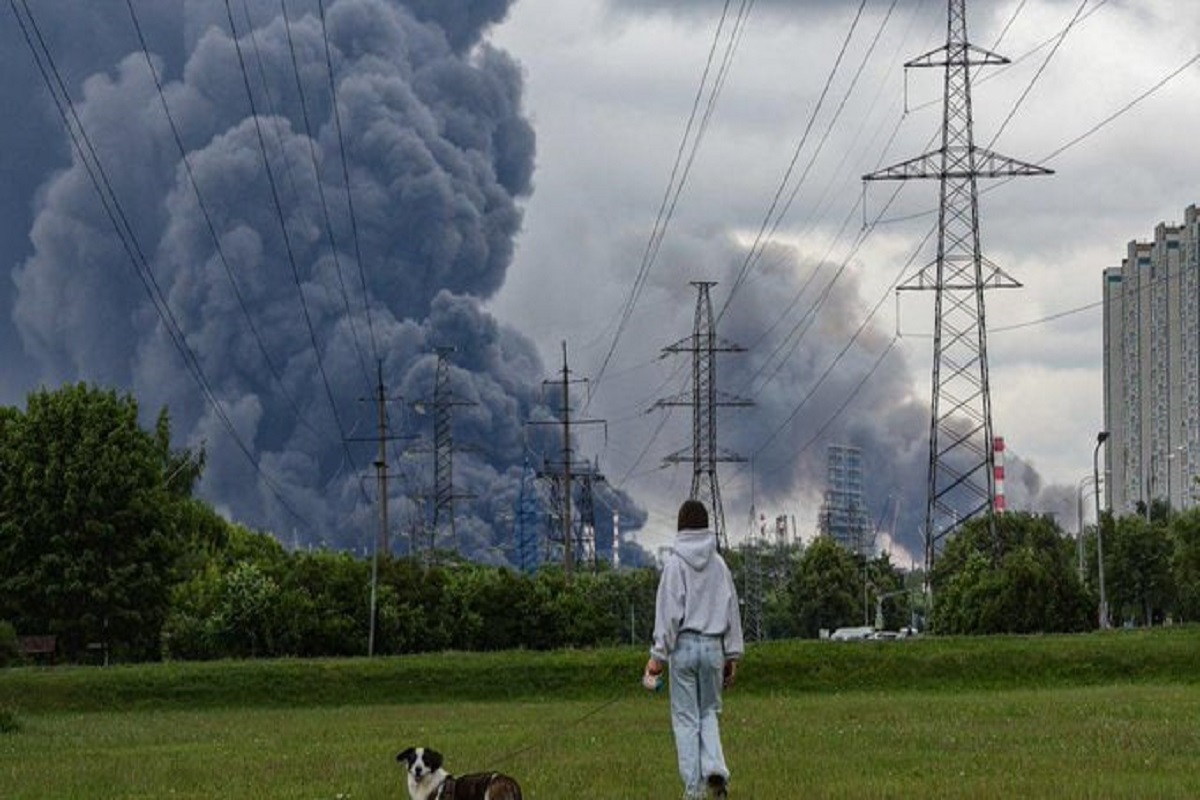
Just when the White House started celebrating a diplomatic breakthrough in the Middle East, reality struck back in the form of an exploding drone. Iran launches new attack on ship passing through Hormuz, shattering the fragile illusion that a newly minted memorandum of understanding would easily clear the world's most critical maritime chokepoint. If you thought the preliminary peace deal signed last week meant smooth sailing for global energy markets, Thursday night's events served as a chaotic wake-up call.
The Islamic Revolutionary Guard Corps struck a Singapore-flagged commercial vessel called the Ever Lovely as it tried to exit the strait. This wasn't some rogue operation or an accidental skirmish. It was a calculated, deliberate message from Tehran. They wanted to prove that despite what President Donald Trump says about negotiating from a position of strength, Iran still holds the physical keys to the waterway. For global shipping companies, captains, and commodity traders, the incident underscores a harsh truth. Paper agreements don't automatically protect steel hulls in the real world.
The Broken Promises of the 60 Day Truce
To understand why this strike blindsided international monitors, you have to look at what happened just days before the explosion. Washington and Tehran had shook hands on a preliminary agreement. The deal was supposed to reopen the Strait of Hormuz toll-free for a 60-day window. It looked like a massive win for the Trump administration, which has been pushing a hardline military stance combined with aggressive deal-making. Shipping companies rushed to exploit the window, sending vessels through that had been stranded for months.
Then came Thursday evening near the coast of Oman. The United Kingdom Maritime Trade Operations reported that an unknown projectile hit the container ship. U.S. central command later confirmed it was an Iranian drone strike. The ship had spent more than 100 days trapped in the Persian Gulf after loading cargo in Iraq. It finally saw a chance to escape, followed the United Nations-approved corridor, and paid the price.
The political disconnect here is staggering. While the drone hit its target, Trump was busy hosting a Rose Garden dinner with American farmers at the White House. He told the crowd that Iran wants a deal very badly and that the U.S. holds all the cards. He even talked about using unfrozen Iranian assets to buy American wheat, soybeans, and corn to ship back to Iran to solve their food shortages. The split-screen reality of a president talking about selling corn while an Iranian drone rips through a commercial vessel tells you everything you need to know about the current state of U.S.-Iran diplomacy.
Who Actually Controls the Shipping Lanes
The fundamental conflict behind this latest strike isn't about ancient hatreds. It is about bureaucracy, transit fees, and raw sovereign control. When the temporary truce was announced, the UN’s International Maritime Organization and the sultanate of Oman set up two temporary shipping lanes along the southern side of the strait. This route hugs the Omani coast, keeping commercial traffic as far away from Iranian patrol boats as geographically possible.
Tehran rejected this map immediately. Iran’s newly formed Persian Gulf Strait Authority countered with its own dictate. They announced that any ship traveling outside Iranian-designated routes would forfeit any guarantees of safe passage. They basically told the maritime world that if you don't ask Tehran for permission and use their specific coastal channels, whatever happens next is your own fault.
The Ever Lovely chose the UN-Oman route. The crew didn't get a radio warning or a shot across the bow from an Iranian naval ship. The drone just slammed into the vessel. Hours later, the state-affiliated IRIB news agency ran statements warning all vessels that the southern corridor is entirely illegal in their eyes. This puts international shipowners in an impossible position. Follow international maritime bodies and risk a drone strike, or follow Iranian rules and validate Tehran's illegal claim of total ownership over an international strait.
Why the UN Abruptly Halted its Evacuation Plans
The immediate casualty of this drone strike wasn't the ship itself—the Ever Lovely actually managed to continue its journey with the crew reportedly unharmed. The real victim was the massive humanitarian and logistical effort to rescue stranded seafarers. More than 11,000 sailors have been stuck on various vessels throughout the Persian Gulf since the war escalated earlier this year. Many have spent months sitting on highly volatile oil tankers, terrified of becoming collateral damage.
The IMO had just launched a voluntary escort operation two days prior to the attack. They believed they had secured enough safety guarantees from both sides to start moving these sailors out of danger. Following the strike, IMO Secretary-General Arsenio Dominguez had to make a tough call. He announced a total pause on the evacuation plan.
"Seafarer safety remains the primary concern. To ensure a coordinated approach and navigational safety, the evacuation plan will be paused until we get further clarity." - Arsenio Dominguez, IMO Secretary-General
This pause leaves thousands of international workers stranded in a combat zone indefinitely. The maritime union leaders are furious, but they also recognize that sending unprotected civilian crews through the strait right now is a gamble nobody should take.
The True Cost of Passing Through Hormuz
If you want to know what the market thinks about this situation, look at the oil charts. When news of the drone strike broke, Brent crude shot up over two percent to roughly $75.50 a barrel. Traders panicked, assuming the truce was dead and a full-scale blockade was back on the table. But by Friday morning, the price sank right back down to around $74.
Why didn't the market sustain the panic? Because shipping data shows that despite the danger, the flow of oil hasn't actually stopped. Intelligence firms tracking the region noted that dozens of vessels still crossed the waterway right after the attack. Earlier in the week, traffic hit its highest level since February. The truth is that global energy demands mean companies are willing to take insane risks. They just price the threat of Iranian drone strikes into their insurance premiums and keep moving.
The economic reality of the Strait of Hormuz makes total closure highly unlikely for long stretches. One-fifth of the world's liquid petroleum passes through this tiny choke point. Neither China, which relies heavily on Iranian and Gulf oil, nor the Western economies can tolerate a permanent shutdown. Iran knows this. Their strategy isn't to shut the door completely and trigger a global military coalition against them. Their strategy is to keep the door slightly cracked, occasionally slamming it on someone's fingers to remind the world who owns the hinges.
Navigating the Dangerous Realities of Modern Maritime Security
For ship operators currently looking at routes through the Middle East, treating the U.S.-Iran memorandum of understanding as a green light is a dangerous mistake. You need a practical, risk-mitigation strategy that doesn't rely on political rhetoric from Washington or promises from Tehran.
First, ignore the political grandstanding and focus entirely on the operational warnings coming out of the UKMTO and private security firms like Ambrey. If your vessel is transiting the region, your crew must be trained for imminent drone defense protocols. This means maintaining strict visual and radar lookouts, blacking out non-essential electronic emissions, and preparing damage control teams for localized impact rather than traditional naval boarding.
Second, your legal and insurance teams need to re-evaluate transit route choices immediately. Opting for the UN-Oman southern corridor might seem like the correct choice legally, but it currently carries the highest risk of kinetic targeting from the IRGC. If you choose to comply with Iran's demands to use their northern coastal routes to avoid a strike, ensure you document the duress to protect your company from future international sanctions or legal liabilities. The situation changes by the hour, and waiting for a comprehensive peace treaty before updating your security posture will get your cargo destroyed.