The recent uproar where Lululemon apologises for China event with actor beating Japanese drum on Great Wall shows exactly how precarious international marketing can get. One day you are celebrating a major corporate milestone, and the next day you are deleting video clips and writing public apologies on Weibo.
International brands often think global marketing is just about translating slogans or hiring local celebrities. It isn't. The backlash hitting the Canadian athleisure giant right now proves that a single tone-deaf detail can overshadow millions of dollars in promotional spend.
This was not just a small social media hiccup. It happened at a time when the company's financial stakes in the region are higher than ever, making the error incredibly costly.
The Real Story Behind Why Lululemon Apologises For China Event With Actor Beating Japanese Drum On Great Wall
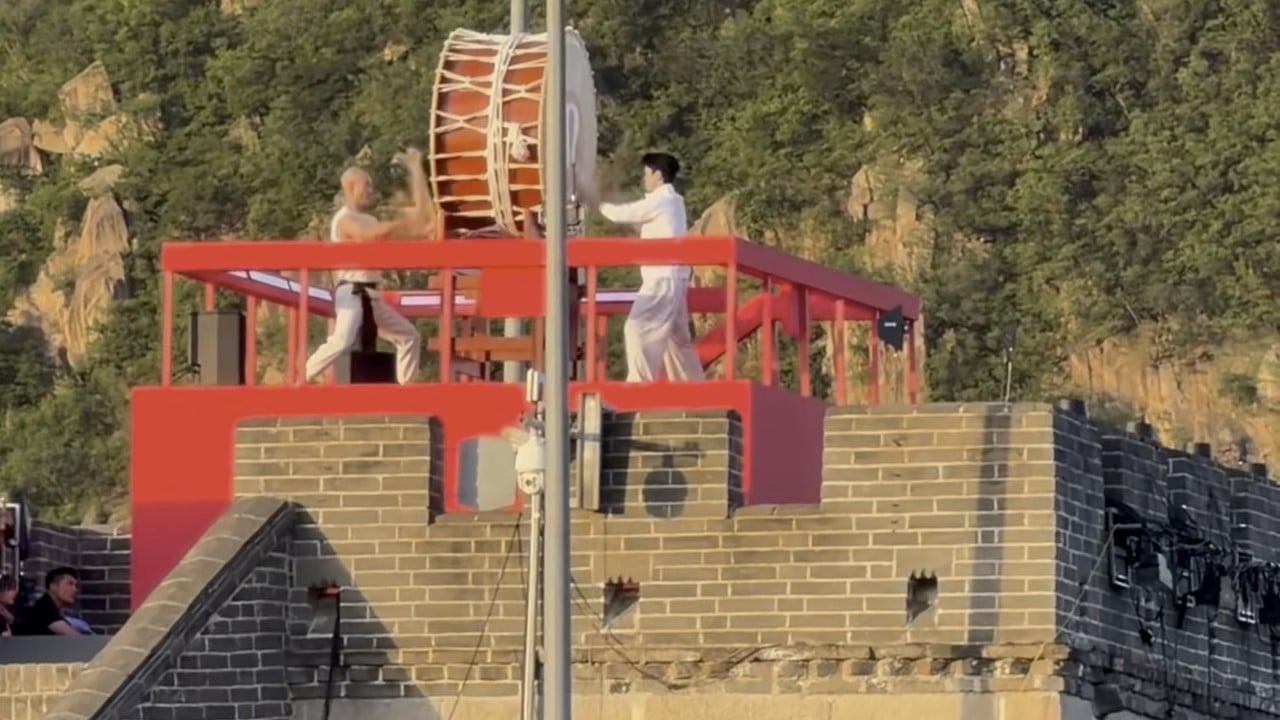
To understand the controversy, you have to look at what actually happened on the ground. On May 30, Lululemon gathered over 2,000 people at the Huanghuacheng Water Great Wall near Beijing. The event was meant to celebrate the brand's tenth anniversary in mainland China, blending wellness, tai chi, and yoga.
To anchor the event in local culture, the brand brought out its high-profile ambassador, the famous Chinese actor Zhu Yilong. He joined a local percussion troupe called the HiiKo Drum Group for a performance that was billed as a tribute to traditional Chinese culture.
The trouble started when photos and videos hit social media. Professional percussionists and eagle-eyed netizens quickly noticed that the massive red drum Zhu stood next to was not a traditional Chinese dagu. Instead, its shape, mounting style, and performance format matched a Japanese taiko drum.
Music experts went public with their critiques. Beijing-based percussionist Xu Yang pointed out on social media that using a Japanese drum to showcase Chinese heritage at a highly symbolic national landmark was deeply inappropriate. The mistake immediately triggered painful historical memories of the World War II era, insulting many viewers. By mid-June, discussions about the drum blunder racked up over 50 million views on Weibo.
Lululemon pulled all promotional materials and issued an official apology on June 16. The company stated that due to limitations in its professional knowledge, it failed to identify the potential conflict during the planning stages. Zhu Yilong’s studio and the HiiKo Drum Group quickly followed with their own apologies, trying to distance the actor from the cultural misstep.
Why This Timing Hurts Lululemon Deeply
This blunder did not happen in a vacuum. The company is leaning on its international expansion to carry it through a rough patch globally.
Take a look at the financial numbers. Lululemon’s stock has plummeted roughly 45 percent so far this year. The brand has faced slowing growth in North America, quality control issues, and a massive internal shake-up after its founder Chip Wilson pressured the company to overhaul its board.
China has been the golden goose. Mainland China revenue grew 29 percent to 1.8 billion dollars for the year ending in January, quadrupling its 2021 levels. The brand desperately needs China to maintain its upward trajectory.
Instead, they are dealing with consecutive marketing disasters. Just a couple of weeks after the Great Wall incident, another Lululemon wellness event on the historic Bund in Shanghai drew heavy fire. The company left participants practicing yoga in the pouring rain without providing basic rain gear or alternative indoor facilities.
To make matters worse, competitors are moving fast. Premium rival Alo Yoga announced its official entry into the Chinese market on June 17, right as Lululemon was scrambling to manage this PR crisis.
The Cultural Anatomy of a Marketing Mistake
Many Western onlookers might wonder how a drum shape could cause a national controversy. The explanation lies in the setting and the historical context.
The Great Wall is not just an old wall. It represents national defense, historical resilience, and Chinese identity. Staging an event there means you are operating in a high-stakes symbolic arena.
The drum troupe defended the instrument by claiming it was a replica of a jie drum from the ancient Tang dynasty, arguing that the Japanese taiko originally evolved from Chinese instruments. While historically true, the visual and performance style used in the campaign mirrored modern Japanese traditions too closely for comfort. In a region where geopolitical tensions run high, ignoring these visual cues is a massive oversight.
Local consumers are highly sensitive to how foreign brands treat their history. Other brands have paid a massive price for similar blind spots. For instance, the outdoor brand Arc'teryx faced fierce boycotts recently after staging a massive fireworks and colored-smoke display in a sensitive area of Tibet, triggering environmental and cultural protests.
Actionable Steps for Brands Operating in High Risk Markets
If you manage marketing or operations for an international business, you cannot afford to rely on a generic global playbook. Here is how you can protect your brand from similar cultural missteps.
Hire Independent Cultural Historians
Do not trust internal marketing teams or local event agencies blindly. They are often too focused on aesthetics and logistics to notice political or historical red flags. Retain independent cultural consultants whose sole job is to spot hidden historical sensitivities before production begins.
Audit Every Prop and Asset
If an event features historical themes, clothing, or musical instruments, audit every item. Trace the origins of the designs. If an asset looks even remotely similar to an item from a country with sensitive bilateral relations, cut it from the program immediately.
Create Clear Crisis Firewalls for Local Ambassadors
When a brand stumbles culturally in China, local celebrities will cut ties instantly to protect their own careers. Build clear communication protocols so your brand can take full responsibility immediately, shielding your local partners from public anger. Lululemon did this by explicitly apologizing to Zhu Yilong, preventing a total collapse of the relationship.
Build Robust Contingency Plans for Live Activations
If you host an outdoor event, prepare for worst-case scenarios. The Shanghai Bund rain incident proved that a lack of physical preparation can sour consumer perception just as fast as a cultural mistake. Always have backup venues, rain gear, and clear cancellation thresholds ready.
Do not wait for a social media backlash to review your regional marketing pipeline. Audit your upcoming campaigns today, double-check your local vendor assets, and ensure your team understands the historical weight of the venues they choose.