The ink isn't even dry on the 14-point diplomatic memorandum signed in Switzerland, but the shouting match has already begun. Washington and Tehran have tentatively agreed to drop the weapons and reopen the global energy choke points. Yet, a massive number has thrown the entire truce into complete chaos. That number is 300 billion dollars.
Everyone is arguing about who handles the bill for Iran’s recovery after a brutal 100 days of intensive bombing and naval blockades. The media is painting this as a straightforward diplomatic flashpoint. It isn't. If you look past the official press releases, the highly publicized Reconstruction and Development Fund looks less like a concrete economic package and more like an elaborate piece of political theater designed to buy a temporary peace.
The global search for answers centers around a single burning question. Will Western taxpayers or wealthy Gulf monarchs actually fund the rebuilding of the Islamic Republic? The short answer is no. The long answer tells you everything about how international diplomacy functions when billions of dollars, raw military power, and deep-seated grudges collide.
The Trump Factor and the Illusion of US Money
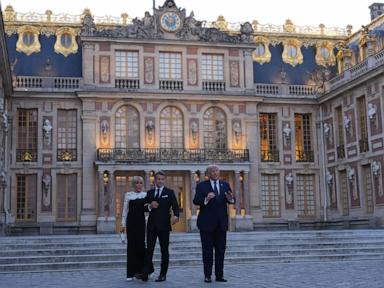
The political optics of this deal are radioactive in Washington. President Donald Trump didn't waste a single second distancing his administration from the cash pool while speaking at the G7 summit in France. He called the idea of direct American payouts fake news. He explicitly stated that the United States is not investing any money in Iran.
This reaction shouldn't surprise anyone who follows American foreign policy. Trump built his entire brand on tearing up the 2015 nuclear agreement and criticizing past administrations for flying pallets of cash to Tehran. Handing over billions after a high-stakes military campaign would be political suicide at home.
Instead, the administration is playing an entirely different game. They signed a framework that guarantees a baseline of 300 billion dollars for economic development. Simultaneously, they maintain that the United States government won't write a single check. It sounds like a total contradiction. It's actually a classic Washington maneuver. The plan relies entirely on private sector capital and international corporations to do the heavy lifting.
By framing the reconstruction effort as a private investment vehicle rather than a government grant program, the White House can claim they aren't giving away taxpayer money. They get to pat themselves on the back for brokering a ceasefire while keeping their wallets firmly zipped.
The View From Tehran and the Reparations Narrative
Tehran is telling a completely different story to its public. Iranian state media and strategic advisors aren't calling this an investment scheme. They see it as a disguised victory. To them, the fund represents de facto war reparations.
The destruction inside Iran is severe. Key industrial assets like the Mobarakeh Steel complex are heavily damaged. Major transport hubs, regional airports, and oil refineries require immediate structural overhauls. Iranian officials originally walked into negotiations demanding 400 billion dollars in direct compensation for war damages from the United States.
Washington flatly rejected that demand. The United States will never legally or rhetorically admit fault or agree to pay reparations to a state adversary. The compromise was the creation of this alternative fund. Strategic advisor Mehdhi Mohammadi noted that while the word compensation isn't written in the text, the intent is clear to Tehran. They view the fund as a structural acknowledgment of the damage their country suffered during the conflict.
This disconnect creates a dangerous diplomatic gap. You have one side claiming they won't pay a cent of public money, and the other side claiming they successfully forced their opponent into paying damages. Both narratives can't survive a long-term scrutiny.
The Myth of Pledged Corporate Capital
A recent leak suggests that over half of the 300 billion dollar target has already been pledged by international businesses across the United States, the Persian Gulf, Asia, South America, and Africa. On paper, it looks like corporate giants are lining up to rebuild Iranian logistics, energy infrastructure, and manufacturing lines.
The reality of corporate finance tells a different story. A corporate pledge in a highly volatile war zone isn't a binding contract. It's an expression of interest. Businesses are attracted to Iran for obvious reasons. The country possesses the second-largest gas reserves on earth and the fourth-largest oil reserves. Its domestic market is hungry for modern transport infrastructure, updated consumer tech, and heavy machinery.
However, corporate boards don't deploy capital out of the goodness of their hearts. They require stability. They need ironclad guarantees that their assets won't be seized, bombed, or sanctioned out of existence two years down the line.
Right now, those guarantees simply don't exist. The Reconstruction and Development Fund will not become operational until a final, legally binding agreement is signed at the United Nations Security Council. The 60-day memorandum period is meant for scoping projects and planning infrastructure work. If the security situation deteriorates before the final signature, every single one of those corporate pledges will vanish into thin air.
Why the Gulf States are Hesitant to Sign On
Vice President JD Vance recently indicated that the Gulf Coast Coalition could provide massive financial support if Tehran changes its regional behavior. This statement assumes that wealthy Arab states are willing to act as the primary financial backing for the deal.
That's a massive assumption. The regional dynamic between Iran and the Gulf Arab monarchies is defined by decades of deep suspicion. Countries like Saudi Arabia and the United Arab Emirates have spent billions countering Iranian influence across the Middle East. The idea of suddenly pivoted to funding the economic rehabilitation of their primary geographic rival is a hard pill to swallow.
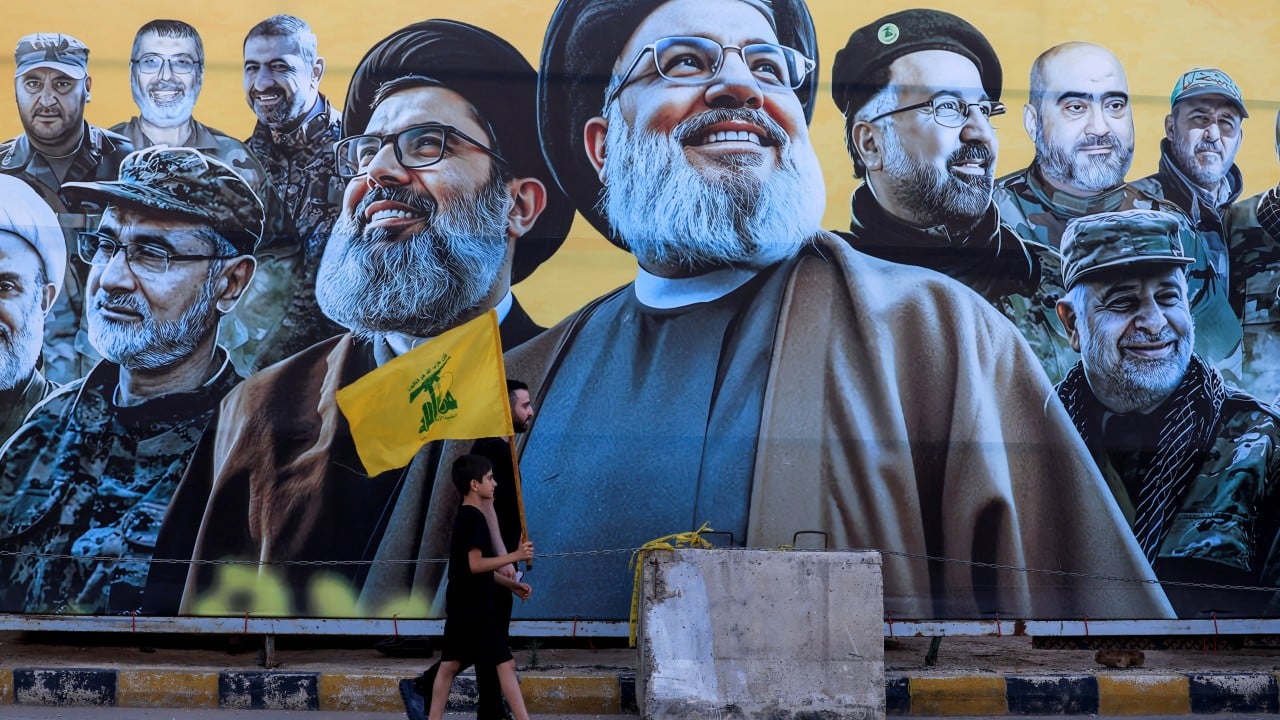
The Gulf states didn't have a direct seat at the table when Washington and Tehran hammered out this framework. Now, they are being asked to foot the bill for a post-conflict settlement they didn't design. They worry that injecting billions of dollars into Iran’s domestic infrastructure will simply free up the regime's internal resources. They fear that a wealthier Iran will immediately turn around and refinance its proxy networks across Lebanon, Syria, and Yemen.
We should expect the Gulf capitals to hold onto their money tightly. They might offer limited credit lines or targeted logistics investments to keep Washington happy, but they aren't going to write blank checks to rebuild Iranian military or heavy industry sectors.
The Stringent Conditionality of the Deal
The financial tap doesn't turn on automatically. The United States has tied the activation of this fund to massive, deeply intrusive security concessions. Accessing the capital requires Iran to hit milestones that slice directly into its core strategic programs.
First, Iran must dismantle the remnants of its nuclear program. They have to neutralize their existing stockpiles of highly enriched nuclear material. On top of that, they must submit to an incredibly strict international inspection regime that gives foreign monitors unprecedented access to sensitive facilities.
Second, the structural requirements include a complete commitment to regional security arrangements. This means permanently keeping the Strait of Hormuz open to global shipping and halting hostile proxy operations across multiple fronts.
For the Iranian leadership, these conditions represent a fundamental challenge to their sovereignty. They need the money to prevent total economic collapse at home. Their population is exhausted by hyperinflation, supply blockades, and war damage. But giving up their nuclear ambitions and regional leverage means dismantling the very pillars that the regime uses to protect itself from foreign regime change. It's an agonizing calculation.
What Actually Happens Next
The next 60 days will expose the structural flaws of this framework agreement. Negotiators are currently trying to iron out the specific details regarding sanctions waivers, asset releases, and project prioritization.
The true test won't happen in high-level diplomatic suites. It will happen in the corporate compliance offices of international banks and industrial conglomerates. If the United States doesn't issue permanent, legally binding sanctions waivers that protect foreign investors from future policy shifts, the private money will stay home. No major bank in Seoul, Tokyo, or Frankfurt is going to risk billions of dollars in American regulatory fines just to build an airport in Iran.
If you expect a smooth transition into a massive 300 billion dollar rebuilding boom, you are misreading the situation. The fund is a diplomatic placeholder. It gives both sides an incentive to keep talking instead of shooting. It creates a temporary economic carrot to mirror the military stick.
The immediate next step requires monitoring whether the United Nations Security Council can actually pass a binding resolution to back the Friday signing in Switzerland. Watch the specifics of the corporate commitments. If the investments are limited to short-term logistics and basic energy extraction rather than long-term industrial manufacturing, it means the private sector knows this peace is fragile. The 300 billion dollar fund isn't a done deal. It's a high-stakes gamble where the players are betting with money they don't yet have.