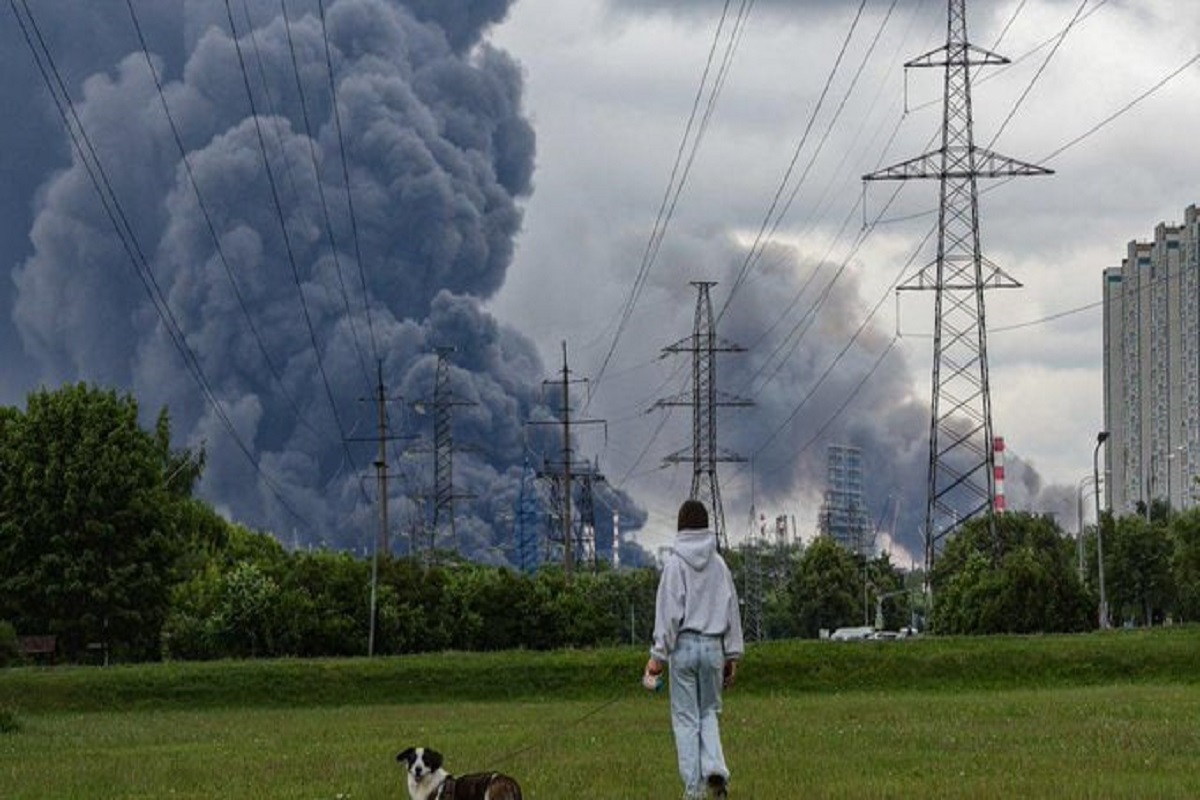
Imagine watching your kitchen floor split open while the walls groan like tearing metal. You run out with nothing but your kids and the clothes on your back. Now, it's two nights later, and you're still sitting on a plastic chair in a public plaza, watching the sun go down. Your home might still be standing, or it might be a heap of pulverized concrete block, but you aren't going back inside.
That's the brutal reality right now for thousands of families across northern Venezuela. On June 24, 2026, a massive seismic doublet—two huge strike-slip earthquakes measuring 7.2 and 7.5 magnitude—shattered the country's central coast and capital region within a span of forty seconds. It was the most powerful seismic event to strike the nation in more than 125 years.
The immediate physical destruction is horrifying enough. Multi-story apartment buildings pancaked in affluent Caracas neighborhoods like Altamira and Los Palos Grandes. Over 250 residential structures collapsed entirely in the coastal state of La Guaira. But the secondary crisis—the human displacement unfolding right now in parks, public squares, and vehicles—reveals the true scale of the disaster.
People aren't just sleeping outside because their homes were crushed. They're out there because the infrastructure is paralyzed, aftershocks are continuous, and nobody trusts the buildings left standing.
The Traumatized Cities Sleeping Under the Stars
Walk through downtown Caracas or the plazas of Maracay and San Felipe right now, and you'll find entire city blocks converted into open-air bedrooms. Families are grouping mattress pads, bedsheets, and cardboard boxes together. Those lucky enough to own a functioning car are cramming five or six relatives inside to sleep with the windows cracked.
There's a critical detail most international coverage misses. This isn't a simple logistics issue where the government just needs to set up tents. The displacement is driven by deep, rational terror. Over 130 aftershocks have rattled the region since the initial twin ruptures. Every time the asphalt vibrates underfoot, panic rips through the crowds.
International relief directors point out that people are simply terrified to cross a threshold. When you see a 22-story modern high-rise completely drop into its own basement, your understanding of structural safety vanishes.
The geographic distribution of the displaced highlights how widespread this crisis is:
- La Guaira: Declared an absolute disaster zone. With hundreds of apartment buildings leveled, thousands of coastal residents have nowhere to go but the beaches and public parks.
- Caracas: High-rise communities in the east and dense barrios on the hillsides are both empty. People are clustering in wide avenues and parking lots.
- Yaracuy and Carabobo: Near the twin epicenters, rural and small-town families are sleeping in patches of farmland and open fields, terrified of local masonry collapses.
Why the Crisis is Compounding Every Hour
Natural disasters don't happen in a vacuum. To understand why this displacement is so catastrophic, you have to look at what Venezuela was already dealing with before the ground shook. Decades of economic strain and neglected public works mean the local response systems were running on fumes from day one.
First, consider the utilities. Immediately after the main 7.5 shock, authorities cut off the main gas lines to prevent massive citywide infernos among the rubble. The electricity grid, already notoriously unstable, failed instantly across multiple states. That means the families sleeping in the streets are doing so in pitch darkness, without running water, and without a way to cook food.
Second, communication is almost entirely dead. Cell phone towers lost power or were physically damaged, leaving millions of people unable to call relatives to check if they're alive. In the streets, people are passing around handwritten lists of names or pinning physical photos to trees in desperate attempts to locate missing family members.
Then there's the mobility trap. Take the mountain community of Caribia, perched just northwest of Caracas. Families there had their homes severely fractured and fled into local parks. They want to travel to relatives on the other side of the capital, but the roads are blocked by landslides, public transit is non-existent, and fuel supplies are frozen. They are effectively trapped in the elements.
The Broken Infrastructure and the Airport Problem
If you're wondering why international rescue crews and bulk supplies haven't flooded the streets yet, look at the logistics bottlenecks.
The main gateway for international aid, Simón Bolívar International Airport in Maiquetía, sustained severe structural damage during the shaking. Runways are being evaluated, terminal ceilings collapsed, and all commercial and cargo flights were instantly grounded. You can't easily fly in heavy urban search-and-rescue equipment or thousands of industrial tents when your primary runway is offline.
Because of this, regional aid groups are having to pivot to incredibly complex overland routes. Teams from neighboring Colombia are organizing convoys to bring in emergency field hospitals, water filtration kits, and structural tarps. But navigating mountainous highways cracked by a 7.5 magnitude strike-slip event takes time—time that families sleeping on concrete sidewalks don't have.
What Needs to Happen Right Now
The phase of pulling survivors from visible rubble is slowly turning into a long-term battle against exposure, disease, and hunger. Managing this massive wave of displacement requires a specific, immediate shift in strategy.
Establish Decentralized Open-Air Safe Zones
Reoccupying buildings is out of the question for weeks. Relief agencies must prioritize setting up massive, structured camp spaces in large, low-risk areas like the Carlota airbase or regional sports stadiums. These spaces need independent solar lighting, mobile latrines, and water purification units to head off cholera and other waterborne illnesses.
Deploy Mobile Structural Engineering Teams
Thousands of the people sleeping in cars actually have homes that didn't collapse, but they can't assess the structural integrity themselves. Green-tagging and red-tagging buildings via rapid engineering assessments is the only way to safely coax people back indoors and reduce the sheer volume of street encampments.
Clear Critical Transport Arteries Manually
With the main airport heavily compromised, the highways connecting the ports and the Colombian border to Caracas are life support lines. Clearing landslide debris and stabilizing fractured bridges must take priority over secondary urban cleanup to let supply trucks roll through.
If you want to support the immediate relief operations on the ground, verified international organizations are bypassed the airport shutdown via regional hubs:
- Samaritan's Purse: Deploying disaster assistance response teams and airlifting field hospitals via border access points.
- Global Empowerment Mission (GEM): Packing and routing emergency hygiene kits, medical supplies, and non-perishable food out of their regional distribution centers.
- International Federation of Red Cross (IFRC): Coordinating local volunteer chapters on the ground to distribute clean water and manage emergency first-aid stations in public plazas.