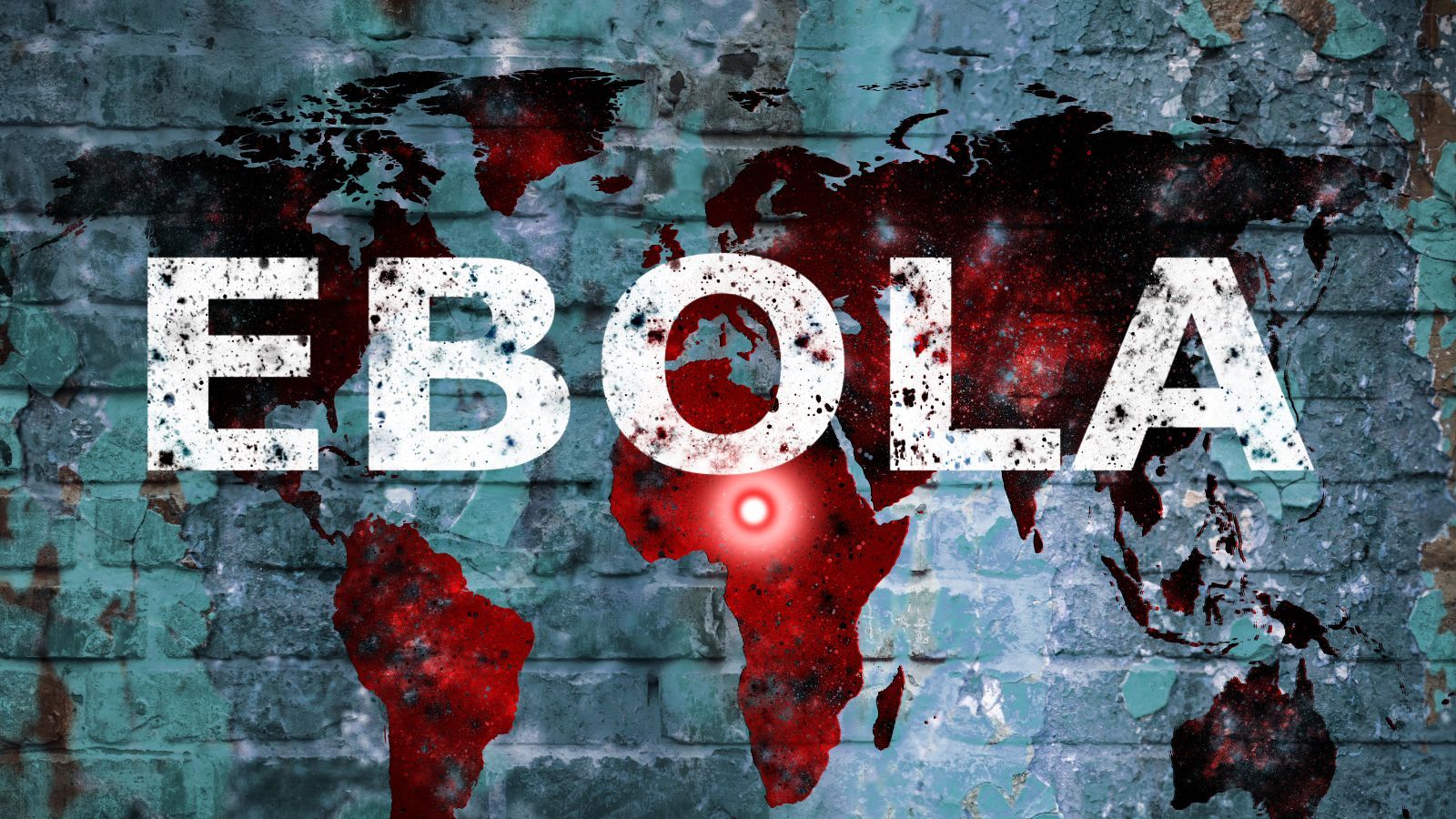
The headlines tell you that the new Ebola outbreak in the Democratic Republic of the Congo (DRC) and neighboring Uganda is growing three times faster than previous emergencies. That's alarming, but it doesn't explain the real danger. The real problem isn't just the speed of the virus. It's the total lack of tools we rely on to stop it.
If you remember the massive West African Ebola epidemic or the 2018 crisis in eastern DRC, you probably think of the breakthrough vaccines like Ervebo. You think of advanced monoclonal antibody treatments. Forget them. Those medical miracles only work against the Zaire strain of the virus. The monster we're tracking right now in Ituri province is different. It's the rare Bundibugyo virus, and it has zero approved vaccines or targeted therapies. You might also find this related article useful: Why the Bundibugyo Ebola Outbreak is Spreading Out of Control.
We're fighting a modern fire with medieval tools. Isolation, soap, water, and tracing every single person a patient touched. That's all we have. And right now, those basic tools are failing completely.
The Math Behind a Lurking Crisis
Official numbers look bad enough. The Africa Centres for Disease Control and Prevention (Africa CDC) recently revealed that just four weeks after being declared a public health emergency, the outbreak recorded 875 cases and 202 deaths. For context, the catastrophic West African outbreak had only registered 242 cases at the exact same four-week milestone. As highlighted in latest coverage by Everyday Health, the implications are significant.
But the ground reality is much worse. Epidemiologists know the official tally is a fiction.
Look at contact tracing, the bread and butter of epidemic control. For an outbreak of this size, trackers should be monitoring between 17,000 and 35,000 active contacts based on an average of 20 to 40 contacts per patient. Instead, official lists hover around 6,000. Out of those 6,000, only 4,000 are actively being checked.
You don't need a degree in public health to spot the math problem here. We're identifying and checking roughly 15% of the people exposed to the virus. The other 85% are moving freely through busy gold-mining towns, crossing porous borders, and boarding minibuses.
The Three Factors Fueling the Burn
Why is tracing so broken this time? Public health officials usually blame "community resistance," but that's a cop-out. The breakdown stems from three structural realities on the ground in northeastern DRC.
1. The Conflict Zone Blindspot
The epicenter in Ituri and neighboring North Kivu is plagued by intense violence from armed militant groups, some linked to Islamic State factions. Responders literally cannot enter these areas without armed escorts, and often they can't enter at all. In North Kivu, where the case fatality rate is highest, contact tracing has effectively hit a wall. When health workers can't safely visit a village, the virus spreads unchecked until bodies start piling up.
2. Gold Mining and Extreme Mobility
This isn't a stagnant rural outbreak. The local economy revolves around informal gold mining. Young men move constantly from one camp to another, following the money. They don't report symptoms because missing a day of work means starving. By the time a miner gets too sick to stand, he has already exposed dozens of coworkers who have since moved to different camps or crossed the border into Uganda.
3. Deep Global Aid Cuts
We are seeing what happens when the international community quietly walks away. Over the last two years, severe donor funding cuts forced humanitarian organizations to scale back their operations in eastern DRC. Surveillance networks were dismantled. Mobile laboratories were shut down. When the Bundibugyo virus struck a 59-year-old man in Ituri back in April, nobody noticed. The virus had a multi-week head start before the outbreak was officially declared on May 15.
What Happens When a Rare Strain Hits a Transit Hub
The historical data on Bundibugyo virus disease suggests a lower case fatality rate than Zaire Ebola, which often kills half of those infected. Historically, Bundibugyo kills around 25% to 35% of its victims. The current case fatality rate in the DRC sits around 23%. That sounds like a small comfort, but a virus that kills a quarter of its hosts is still an absolute nightmare when it enters a major population center.
And it already has. The World Health Organization confirmed that laboratory-verified cases popped up in Kampala, Uganda's capital, and Goma, a massive transit hub of two million people in the eastern DRC.
When Ebola hits a remote village, the geography acts as a natural quarantine. When it hits a city like Goma or Kampala, the transmission chains multiply exponentially. Treatment centers in Ituri are already over 90% full. If Goma experiences a true spike in cases, the local healthcare system will collapse within days.
Stop Treating This Like Previous Outbreaks
The global response strategy is still trying to reuse the playbook from 2018. International agencies keep talking about waiting for experimental vaccine protocols to clear regulatory hurdles. That's a waste of precious time. Clinical trials take months, and we need to stop the spread today.
Since we can't rely on a syringe, the entire strategy must pivot to radical transparency and cash-infusions for local health structures.
First, international donors need to reverse the healthcare funding cuts immediately. Frontline health workers in Ituri are dying because they lack basic personal protective equipment (PPE) and clean water supplies. At least four healthcare worker deaths have already been recorded.
Second, the response must shift away from centralized, foreign-led intervention teams. Local religious leaders, traditional healers, and community heads are the only ones who can navigate the complex conflict zones. If they aren't trusted, patients will continue to hide in their homes, treating Ebola as a spiritual curse rather than a viral infection.
The window to contain this before it turns into a multi-year regional crisis is shutting fast. If the world doesn't treat the 85% tracking gap like the global emergency it is, the virus will make the choice for us.