You finally got the prescription. The weight starts dropping. Your clothes fit better, and for the first time in years, the numbers on the scale are actually going down without a grueling, miserable battle. Common sense says you should feel lighter, freer, and far more eager to get up and move.
But you aren't moving. In fact, you are probably moving less than you did before.
This isn't just a personal slump or a lack of willpower. It's a widespread behavioral phenomenon. Fresh data presented at the ENDO 2026 annual meeting in Chicago reveals a bizarre paradox. When people start taking GLP-1 drugs like semaglutide or tirzepatide, their daily physical activity doesn't skyrocket as they lose weight. It plummets.
The Fitbit Data That Exposed the GLP-1 Movement Deficit
We used to rely entirely on self-reported surveys to figure out how much people exercise. People lie on surveys. They don't mean to, but human memory is notoriously generous when estimating how many minutes we spent sweating or how many steps we took.
This new study changed the game by cutting out human bias entirely.
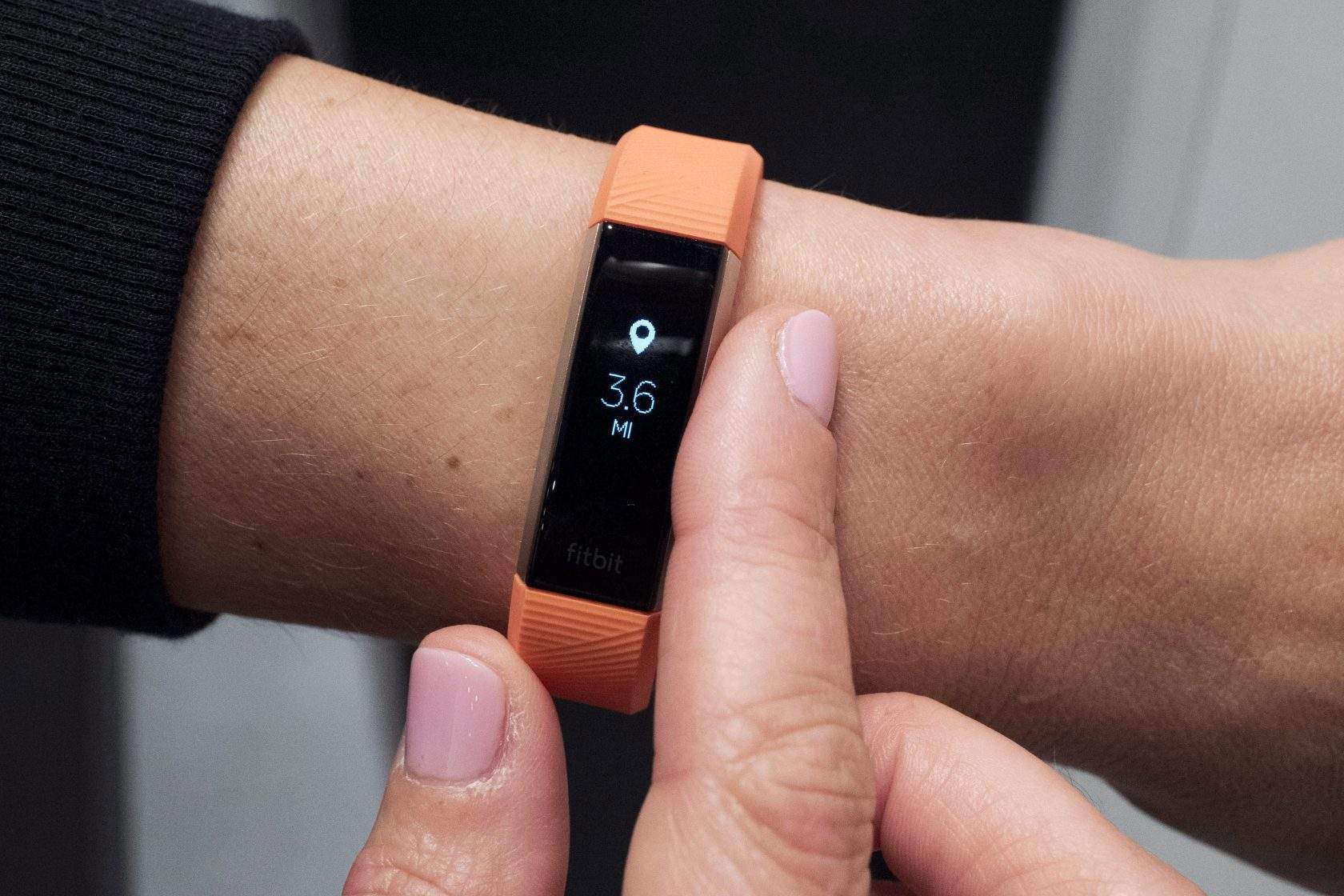
Researchers at HSHS St. John’s Hospital in Springfield, Illinois, tapped into the National Institutes of Health’s All of Us Research Program. They pulled real-world, objective electronic health records and linked them directly to participants' Fitbit tracker data. They isolated 753 adults with obesity who started a GLP-1 medication and had consistent wearable data both before and after starting their treatment. The cohort was mostly women, around 78.6%, with an average age of 52.7 years.
The tracker data did not lie.
On average, before patients started their GLP-1 prescriptions, they averaged 5,047 steps per day. After starting the medication, that number slid down to 4,487 steps. That's a loss of nearly 600 steps every single day.
It gets worse when you look at high-value movement. Their moderate-to-vigorous physical activity (MVPA) minutes dropped from 28 minutes down to just 22 minutes per day.
Dr. Sajana Maharjan, the lead author of the study, noted that many people assume weight loss naturally sparks a desire to be more active. The data suggests the exact opposite. The expected rebound in physical activity simply never showed up. Lighter bodies did not equal more steps.
The Psychological Trap of Effortless Results
Why are people slacking off when the scale is finally moving in their favor?
The answer lies in a mix of brain chemistry, physical energy, and basic human psychology. Dr. Dana Small, a neurology professor at McGill University, points out that GLP-1 drugs are incredibly effective, but they are not a magic bullet. When a medication does the heavy lifting for weight loss, it fundamentally changes your relationship with effort.
Think about how people behave before they get these medications.
For decades, the standard advice for anyone with obesity was to move more and eat less. People pushed themselves to walk further, join gyms, and track their active minutes because exercise was the primary tool they had to force the scale down. It was hard, exhausting work, and the results were often minimal or temporary.
Then comes the GLP-1 receptor agonist. Suddenly, the constant food noise in your brain vanishes. Your appetite drops. You eat half of your dinner and feel completely satisfied. The weight begins to melt off with zero extra physical effort.
Psychologically, a subtle shift happens. Your brain realizes it no longer needs to grind through a 45-minute treadmill session to lose two pounds this week. The drug is doing the work. If you're getting the results without the sweat, the subconscious mind decides to save the energy. You skip the evening walk. You park closer to the store entrance. You sit a little longer on the couch.
The Biological Reality of the Caloric Deficit Crash
It isn't just a mental choice. Your biology is actively fighting your desire to move.
GLP-1 drugs work by delaying gastric emptying and altering the hunger signals in your central nervous system. You eat less because you feel full faster. But cutting your food intake by 30% to 50% overnight puts your body into a massive caloric deficit.
Fewer calories mean less available fuel.
Dr. Mir Ali, a bariatric surgeon and medical director at MemorialCare Surgical Weight Loss Center, notes that patients frequently complain of profound fatigue during the initial months of rapid weight loss. When your energy intake drops off a cliff, your body compensates by turning down the dial on spontaneous physical activity. You might not notice it, but you're fidgeting less, standing up less often, and taking fewer casual steps around the house. Your system is trying to conserve every scrap of energy it has left. Exercise begins to feel like a massive chore rather than an invigorating habit.
Then there are the direct side effects of the medications. Nausea, mild dizziness, and gastrointestinal upset are common as your body adjusts to the dose. When you feel slightly nauseous or lightheaded, the absolute last thing you want to do is pick up heavy weights or go for a jog.
The Dangerous Math of Lost Muscle Mass
Moving less while losing weight isn't just a shame. It's dangerous for your long-term health.
When you lose weight naturally through a balanced diet and regular exercise, your body drops a mix of fat and a small amount of lean muscle. But when you drop weight rapidly via a severe caloric deficit induced by medications, the proportion of muscle lost can shoot up drastically.
Dr. Hertzel Gerstein, a medicine professor and diabetes physician at McMaster University, highlights a simple law of physics: when you carry less weight, your body requires less muscle to move you around. If you weigh 250 pounds, your calves and thighs are constantly working hard just to carry you up a flight of stairs. When you drop to 190 pounds, that built-in resistance training disappears.
If you add physical inactivity to that equation, you create a perfect storm for severe muscle wasting, sometimes called sarcopenic obesity. Muscle tissue is not optional decoration. It is the primary engine of your resting metabolism, your structural support system, and the main site for glucose clearance in your body.
If you lose 40 pounds but 15 of those pounds are lean muscle, you haven't just gotten smaller. You have permanently lowered your metabolic rate. You have compromised your joint stability.
This creates a terrifying trap if you ever need to stop taking the medication. Dr. Dana Small warns that when people stop GLP-1 therapy, weight regain happens quickly. But here is the catch: you don't magically regain the muscle you lost. You regain fat mass.
If you go on a GLP-1, lose muscle due to laziness, stop the drug, and regain the weight, you will end up with a higher body fat percentage and a much slower metabolism than you had before you ever took your first dose.
Men and Chronic Pain Sufferers are Dropping the Fastest
The data from the ENDO 2026 presentation revealed that the drop-off in exercise isn't distributed evenly across the population. While age, a history of stroke, or heart failure didn't seem to alter the downward trend, two specific groups saw the steepest declines in movement: men and individuals living with chronic joint or muscle pain.
The decline in men is particularly intriguing. Men generally have higher baseline levels of lean muscle mass and often rely on higher baseline activity levels to maintain their energy balance. When men start these medications, their step counts and vigorous exercise minutes drop more severely than their female counterparts.
For those with musculoskeletal pain, the drop is easier to understand but equally damaging. If you suffer from osteoarthritis, lower back pain, or knee issues, movement is already uncomfortable. Before the drug, you might have forced yourself through the pain because you knew you desperately needed to manage your weight. Once the medication gives you a pain-free, effortless way to drop pounds without moving your aching joints, you immediately stop doing the things that hurt.
The irony is that losing muscle mass actually increases joint pain over time. Without strong quadriceps to support the knee joint, or a strong core to support the spine, mechanical stress increases. What felt like temporary relief turns into a long-term physical setback.
Flipping the Script on Medication-Assisted Weight Loss
If you are currently taking a GLP-1 drug or planning to start one, you have to change your mindset completely. Exercise cannot be an afterthought. It cannot be something you plan to figure out once you reach your target weight.
You must treat exercise as a non-negotiable part of your medical prescription.
A white paper developed by FTI Consulting’s Center for Healthcare Economics and Policy recently modeled the long-term impacts of combining GLP-1 therapies with structured exercise programs across several nations. In Canada alone, embedding structured exercise into the treatment pathway is projected to generate $3.5 billion in economic and societal value over a decade by reducing healthcare costs, preventing injuries, and ensuring people maintain their health long after they stop the drugs.
You need a clear, actionable strategy to fight the biological urge to sit down.
Force the Weights into Your Schedule
Do not rely on walking alone. Aerobic exercise keeps your heart healthy, but resistance training is what saves your muscle tissue from being consumed for fuel. You need to hit your muscles with mechanical tension at least two to three times a week.
This doesn't mean you need to become a bodybuilder overnight. Focus on compound movements that recruit large muscle groups:
- Bodyweight squats or wall sits to protect your lower body strength.
- Modified push-ups or chest presses to maintain upper body structure.
- Resistance band rows to keep your back and posture strong.
Rebaseline Your Daily Steps
Don't wait for sudden inspiration to go for a run. Monitor your tracker. If your baseline was 5,000 steps, make it a strict rule that you cannot fall below that number, no matter how tired you feel in the evening. If you are struggling with low energy due to a small appetite, split your movement into tiny, manageable chunks. Three ten-minute walks spread throughout the day are far easier to manage than one continuous thirty-minute session.
Track Your Protein, Not Just Your Calories
Because you are eating significantly less food, every single bite counts. If you eat a tiny portion of food and it consists mostly of simple carbohydrates, your body will absolutely tear down your muscles for amino acids. Aim to consume a high-quality protein source with every single meal. Chicken, fish, tofu, Greek yogurt, or a clean protein supplement will help signal to your body that it needs to preserve lean tissue while burning fat.
Stop viewing your medication as a replacement for a healthy lifestyle. It is an accelerator. Use the extra mental clarity and the relief from food cravings to build an unshakeable fitness routine that will protect your body for decades to come.