We all know prediction markets are the wild west of modern finance, but the latest scandal out of the White House takes the concept of "insider trading" to a bizarre new level.
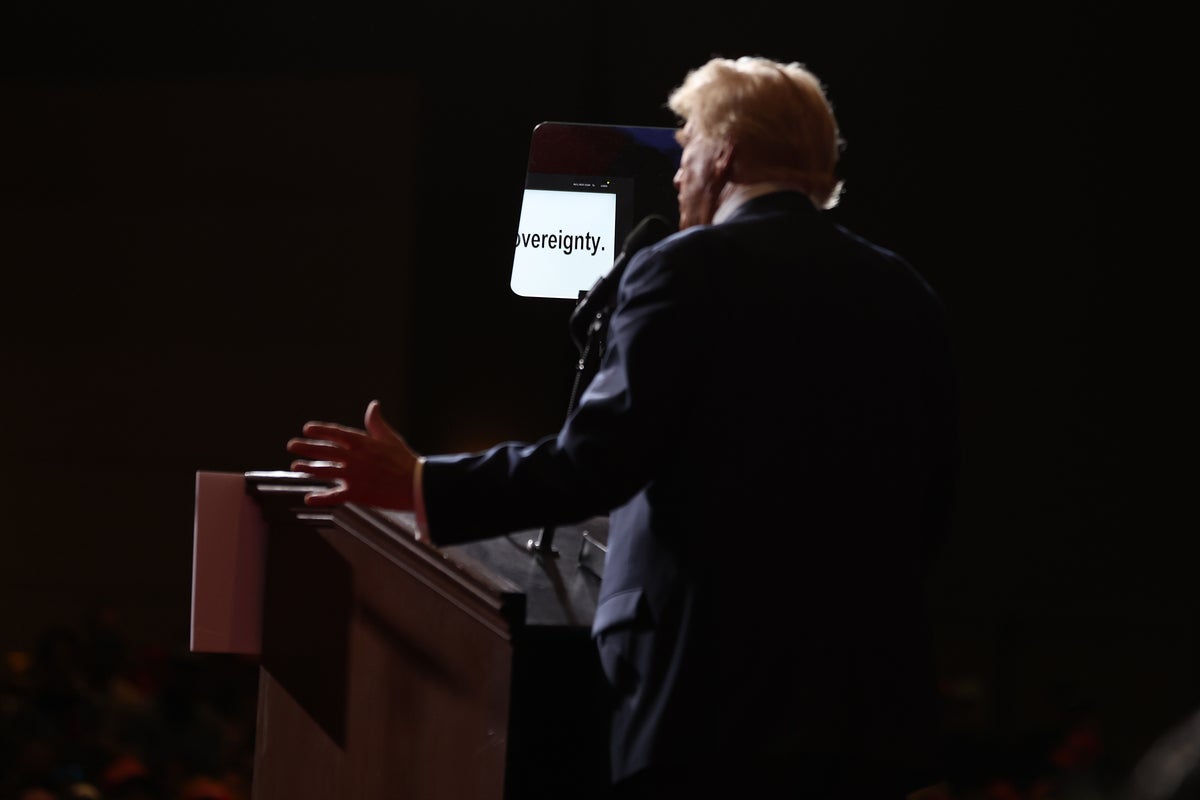
Imagine having the literal script of a presidential address sitting in front of you. Now imagine using that advance script to place highly profitable bets on the exact words the president will say.
That’s exactly what Gabriel Perez, Donald Trump’s longtime teleprompter operator, is accused of doing. For three months, Perez allegedly turned Trump’s public addresses into a personal piggy bank, pocketing more than $100,000 on the prediction platform Kalshi.
But here's the kicker. His undoing wasn't just a sophisticated algorithm—it was the president’s notoriously unpredictable speaking style. When Trump went off-script, Perez reportedly tried to panic-cancel his bets mid-speech.
How a Tech Assistant Gamed the System
Gabriel Perez isn't some low-level staffer who happened to overhear a conversation. He has been running Trump’s teleprompter since 2016. When you spend a decade controlling the speed of the words scrolling in front of the president, you gain a level of trust—and access—that very few people in Washington possess.
He was paid a handsome $175,000 salary as a deputy assistant and technical adviser. He was the gatekeeper of the text. Because Trump famously makes last-minute pen-and-ink edits to his speeches, Perez was often the final person to see the actual, finalized copy before the president took the stage.
He took that highly privileged, non-public data and brought it straight to Kalshi’s "mention markets".
On Kalshi, you can bet on whether a public figure will utter specific words. Will the president say "Hormuz"? What about "fake news"? With the final draft of the speech in his pocket, Perez reportedly loaded up on "yes" or "no" contracts. He bet on speeches ranging from a prime-time national address to Trump's remarks at the World Economic Forum in Switzerland. It was a virtually guaranteed win.
Until Trump did what Trump does best: he went off-script.
The Tell That Blew the Cover
If Perez had simply placed his bets and walked away, he might still be running the prompter today. Instead, his own greed and panic exposed the scheme.
During live speeches, Trump frequently veers into ad-libs, skipping entire paragraphs of prepared text. According to investigators, when Trump would start skipping words that Perez had wagered on, Perez frantically attempted to back out of his trades mid-speech.
Kalshi's internal surveillance systems quickly flagged this highly unusual behavior. Ordinary retail traders don't have the lightning-fast reflexes—or the sheer confidence—to buy and sell contracts in perfect alignment with a speaker's live deviations.
When Kalshi looked at the account, they found a federal employee using his real information. The platform froze roughly $90,000 of his winnings and sent the evidence straight to the Commodity Futures Trading Commission (CFTC).
White House Press Secretary Karoline Leavitt confirmed that Perez has been placed on unpaid administrative leave, calling the incident "a disgrace".
This Is Just the Tip of the Iceberg
If you think this is a one-off scenario, you're missing the bigger picture. Prediction markets are experiencing a massive gold rush, and the guardrails are struggling to keep up.
Consider these other wild cases that have cropped up recently:
- The Venezuelan Raid: A Special Forces soldier allegedly placed prediction-market bets on a mission to capture Venezuelan President Nicolás Maduro, netting over $400,000.
- The Search Data Leak: A Google employee faced accusations of placing bets on search volume trends using proprietary internal data.
- The George Santos Attendance Bet: Regulators are investigating whether former Congressman George Santos bet on whether he would attend the State of the Union address, actively manipulating the market with his own actions.
We are looking at a fundamentally new type of insider trading. It's not about corporate balance sheets anymore. It's about access to physical, real-world events before they happen.
The CFTC is treating these platforms with increased seriousness. While federal prosecutors in Manhattan declined to bring criminal charges against Perez, the CFTC is pursuing a heavy civil settlement that will likely force him to hand over every penny of his profits.
What Happens Next
The White House sent an internal memo in late March explicitly warning staffers that betting on prediction markets using nonpublic government information is a criminal offense. Evidently, that warning came too late for Perez.
If you trade on these platforms, expect some major changes.
- Stricter KYC (Know Your Customer) rules: Platforms like Kalshi are already pushing for workplace disclosures to prevent conflicts of interest.
- The death of "mention markets": Some brokerages, like Robinhood, have deliberately avoided offering word-mention markets because they are incredibly easy to manipulate. Don't be surprised if these specific markets get phased out entirely.
- Harder rules for federal employees: Expect a blanket ban on federal executive branch employees participating in any political prediction markets whatsoever.
For now, the lesson is clear: if you have a massive information advantage, trying to day-trade your boss's speeches on a heavily monitored public exchange is an incredibly fast way to lose your $175,000 job.