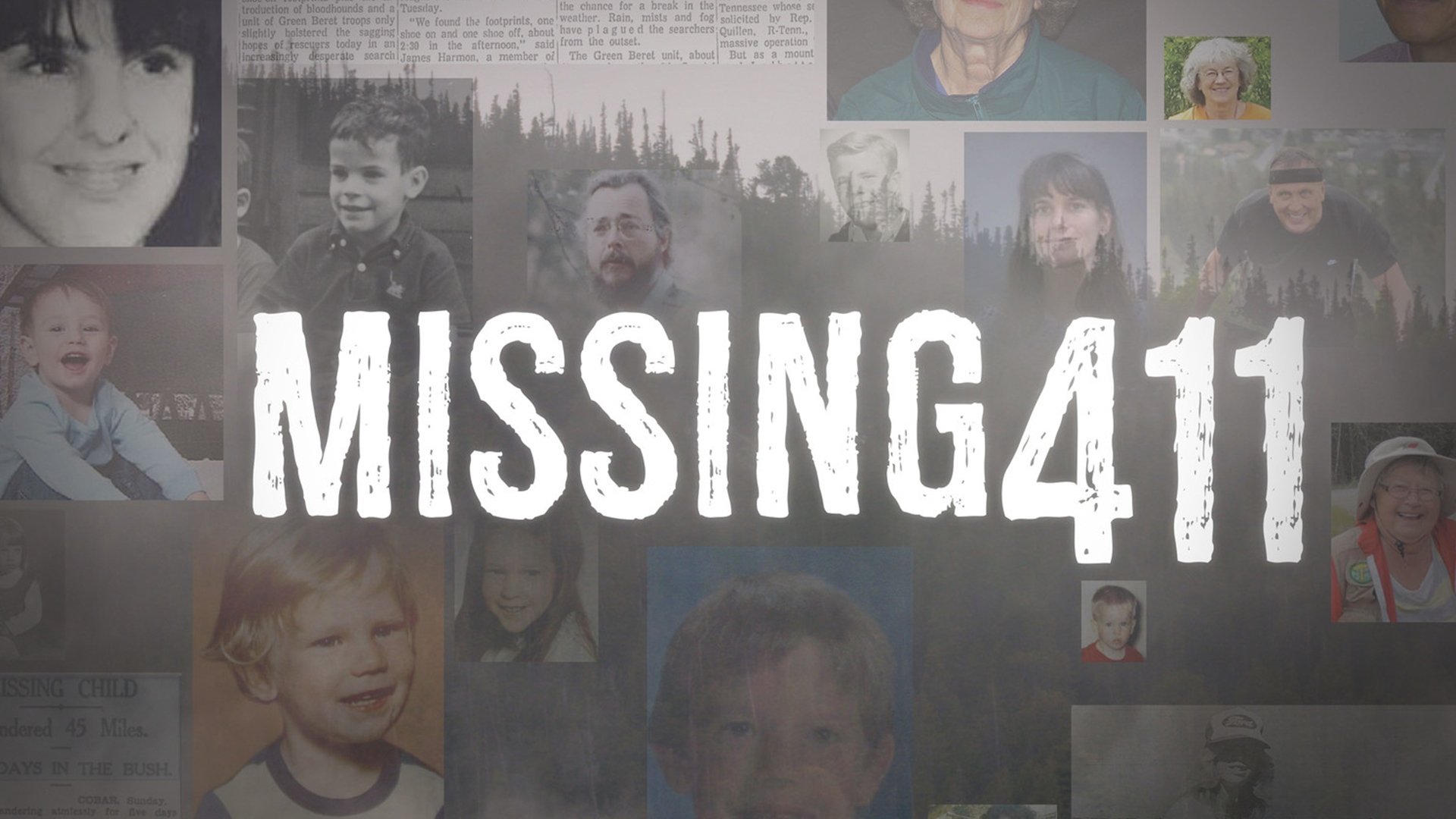
The average viewer assumes that in the age of monolithic streaming giants, finding a specific documentary is as simple as typing a title into a search bar and hitting play. We've been conditioned to believe that Netflix, Hulu, or Amazon Prime act as the universal archives of modern culture. This is a polite fiction. When you set out to find Where To Watch Missing 411, you aren't just looking for a file on a server; you're stepping into a fragmented landscape of independent distribution that challenges the very idea of digital permanence. The search for this specific series of films about unexplained disappearances in national parks often mirrors the baffling nature of the cases themselves. You expect a straight path, but the trail frequently goes cold because the traditional gatekeepers of media don't own the rights to this particular brand of truth.
The central argument here isn't just about navigating a menu on a smart TV. It's about the shift from centralized entertainment to creator-owned ecosystems. Most people think they're failing at technology when they can't find a niche documentary. In reality, they're witnessing a deliberate choice by creators like David Paulides to bypass the standard Hollywood machine. This creates a barrier to entry that feels intentional. It forces the audience to become investigators before they even see the first frame of footage. If you're used to the convenience of a subscription service, the reality of independent film licensing feels like a step backward, but it's actually a reclaiming of narrative control by the filmmakers. For a deeper dive into this area, we suggest: this related article.
The Fragmented Map of Where To Watch Missing 411
The digital marketplace is a battlefield of expiring licenses and geographical restrictions. You might find one installment of the series available for rent on a major platform today, only to see it vanish tomorrow because a contract ended or a regional distributor changed their mind. This volatility is why Where To Watch Missing 411 remains a frequent query for those who aren't satisfied with the curated, often sanitized selections of the big three streamers. These films live in the cracks of the internet, popping up on ad-supported services like Tubi or Pluto TV, then migrating back to the creator's own storefront. It’s a game of digital whack-a-mole that frustrates the casual viewer while rewarding the dedicated follower.
Skeptics will argue that if a film is good enough, it’ll be on Netflix. This is a fundamental misunderstanding of how the industry operates in 2026. Major platforms aren't meritocracies; they're data-driven warehouses. They prioritize content they own entirely or content that fits a very specific demographic profile for subscriber retention. A documentary series that focuses on the unsettling, unexplained patterns of people vanishing in the wilderness doesn't always fit the "background noise" vibe that many platforms crave. Independent creators often find that selling their souls to a major streamer means losing a massive percentage of their revenue while their work gets buried under a pile of reality show reboots. By staying independent, the Missing 411 brand maintains its weirdness and its profit margins, even if it makes the audience work a little harder to find the "play" button. For broader details on the matter, in-depth reporting is available at The Hollywood Reporter.
I've watched this play out across dozens of niche genres. The moment a creator decides to own their distribution, the mainstream audience feels a sense of friction. We’ve become lazy consumers. We want our content delivered on a silver platter for fifteen dollars a month. When we encounter a project that requires us to jump between apps or pay an individual rental fee on a site we don't usually visit, we call it a failure of the system. It isn't a failure. It’s the system working exactly as it should for a filmmaker who wants to keep their intellectual property out of the hands of a corporation that might decide to delete it for a tax write-off next quarter.
The Architecture of Independent Streaming
To understand the mechanics of this, you have to look at the plumbing of the internet. Most independent films utilize services that act as aggregators. These middle-men push the content out to various "Video on Demand" storefronts. The reason you see different availability in the UK versus the US often comes down to these specific deals. While the hunt for Where To Watch Missing 411 might lead you to a dozen different landing pages, the core of the experience remains tied to the creator’s primary hub. This is where the most reliable information lives. If the major platforms drop the ball, the primary website for the project usually hosts its own player or links to a dedicated store.
This brings us to the issue of digital literacy. We're living through a period where the "search" function on our devices is being corrupted by sponsored results and AI-generated junk. When you look for a way to view these documentaries, you're often bombarded with pirate sites that are more interested in infecting your browser than showing you a movie. This is the danger of the fragmented model. When content isn't easily accessible on the main stages, the audience is driven into the shadows. It creates an environment where misinformation thrives. People start to believe the films are "banned" or "hidden" by the government because they aren't on Disney Plus. The truth is much more mundane: it's just a matter of who signed which contract this year.
The phenomenon of the "missing" documentary is a perfect metaphor for the films' subject matter. Just as the subjects in the cases disappear without a trace, the media documenting them seems to vanish from the public eye whenever a server updates or a licensing deal expires. This creates an accidental mystique. The difficulty of access serves as a filter. Only those truly interested in the patterns of disappearances described by Paulides are willing to navigate the labyrinth of secondary streaming apps and rental portals. It turns a simple movie night into a quest.
The Cost of Narrative Independence
There's a price to pay for being outside the loop. For the filmmaker, it means smaller marketing budgets and less "prestige" in the eyes of industry critics. For the viewer, it means the end of the all-you-can-eat buffet. We have to start thinking of digital media like a physical library. If the library doesn't have the book you want, you have to go to a specialized bookstore or order it directly from the author. This isn't a bug in the digital age; it's a necessary feature if we want to preserve a variety of voices. If everything is funneled through two or three companies, then those companies decide what stories are allowed to be told.
The Missing 411 series is a prime example of a grassroots hit that survived because it didn't need the permission of a network executive. It grew through word of mouth, through long-form interviews on late-night radio and podcasts, and through a dedicated community of researchers. Its distribution reflects that history. It’s messy, it’s scattered, and it’s deeply personal. When you finally track down the latest installment, whether it’s "The Hunted" or "The Ufology Connection," the fact that you had to look for it makes the experience more impactful. You aren't just scrolling past it while looking for something to fall asleep to. You’re there because you made a choice to be there.
I remember a time when finding a rare film meant scouring the back shelves of a dusty video store in the bad part of town. There was a tactile reality to that search. Today, that struggle has moved behind the screen. The "dust" is now broken links and "content not available in your region" messages. But the principle remains the same. The best stuff isn't always the easiest to find. If you find yourself frustrated by the hunt, remember that the friction is the only thing keeping the creator's vision intact. A version of these films that was scrubbed and polished for a mass-market streamer would likely lose the very grit and detail that makes them compelling to begin with.
The search for these films teaches us something about the current state of our digital lives. We are far less in control of our media than we think we are. We're at the mercy of algorithms that decide what's "relevant" to us. By seeking out content that exists on the margins, we're performing a small act of rebellion against the algorithmic curation of our minds. It’s a reminder that the world is still full of strange, unmapped corners—both in the woods and on the web.
You shouldn't expect the search for the unexplained to be easy or convenient. The moment the mystery becomes a one-click commodity, it loses its edge and becomes just another piece of "content" to be consumed and forgotten. The difficulty of access is the gatekeeper of the mystery's weight. You're not just looking for a movie; you're looking for a way to see the world through a lens that the mainstream has largely ignored. That kind of perspective is never going to be the top recommendation on your home screen, and that's exactly why it’s worth the effort to find it.
The reality of independent media is that the map is always changing, and the only way to stay on the trail is to stop relying on the big platforms to guide you. We've traded the richness of a diverse media ecosystem for the convenience of a single login, and in the process, we've nearly lost the ability to find anything that hasn't been pre-approved by a corporate algorithm. Finding a way to watch these films is a test of your own agency as a consumer. It's a signal that you're willing to step off the paved path of the mainstream internet and into the brush, where the stories are weirder, the answers are fewer, and the experience is entirely your own.
When the screen finally flickers to life and the familiar maps of national parks appear, the struggle to get there fades into the background, replaced by the unsettling reality of the footage. You realize then that the gatekeepers weren't trying to hide the truth; they just didn't know how to sell it. In a world where everything is indexed and categorized, there's a profound power in being difficult to find. It ensures that the only people watching are the ones who are actually paying attention.
Access is not a right in the digital world; it is a moving target that requires constant vigilance and a refusal to accept the default settings of your devices.