When a single viral Gaza prisoner photo hits social media feeds, thousands of frantic parents zoom in on the pixels. They look for a familiar mole, a specific curve of the shoulder, or the shape of a hairline. Recently, one specific image of a blindfolded detainee went viral across channels, triggering a heartbreaking tug-of-war. Two separate mothers, living miles apart and bound by identical grief, stepped forward. Both are absolutely certain the man in the photo is their missing son. It's a brutal reality of modern conflict that nobody talks about.
This isn't just an isolated case of mistaken identity. It's a systemic symptom of a brutal information blackout. When tracking systems break down completely, social media platforms like Telegram and WhatsApp turn into unofficial, chaotic registries for the missing. Families spend hours scrolling through grainy videos and low-resolution snapshots. They look for any shred of evidence that their loved ones are still breathing.
When you look at the situation closely, you realize how easily hope skews perception. A blurry photo becomes a mirror. It reflects exactly what a desperate parent needs to see.
The psychological weight of a viral Gaza prisoner photo
Ambiguous loss is a unique kind of torture. It happens when a person disappears, leaving no body to mourn and no confirmation of life. For these two mothers, the viral Gaza prisoner photo offered a terrifying lifeline. One mother recognizes the build of her son's torso. The other recognizes the angle of his chin under a blindfold. Both are trapped in a loop of certainty and terror.
Psychologists who work in conflict zones know this phenomenon well. Under extreme stress, human brains try to fill in missing visual data. If your son has been missing for months, your mind naturally maps his features onto any face that looks vaguely similar. It's not a mistake. It's a survival mechanism driven by fierce maternal love.
Imagine waking up every day not knowing if your child is dead, injured, or locked in a facility. You'd grep every corner of the internet too. You'd see him in every shadow.
The digital chaos replacing official channels
Why are families relying on viral images in the first place? The answer is simple. Official channels are broken or non-existent. International agencies like the International Committee of the Red Cross face massive obstacles trying to gain access to detainees or compile accurate lists. When official systems fail, decentralized internet communities fill the void.
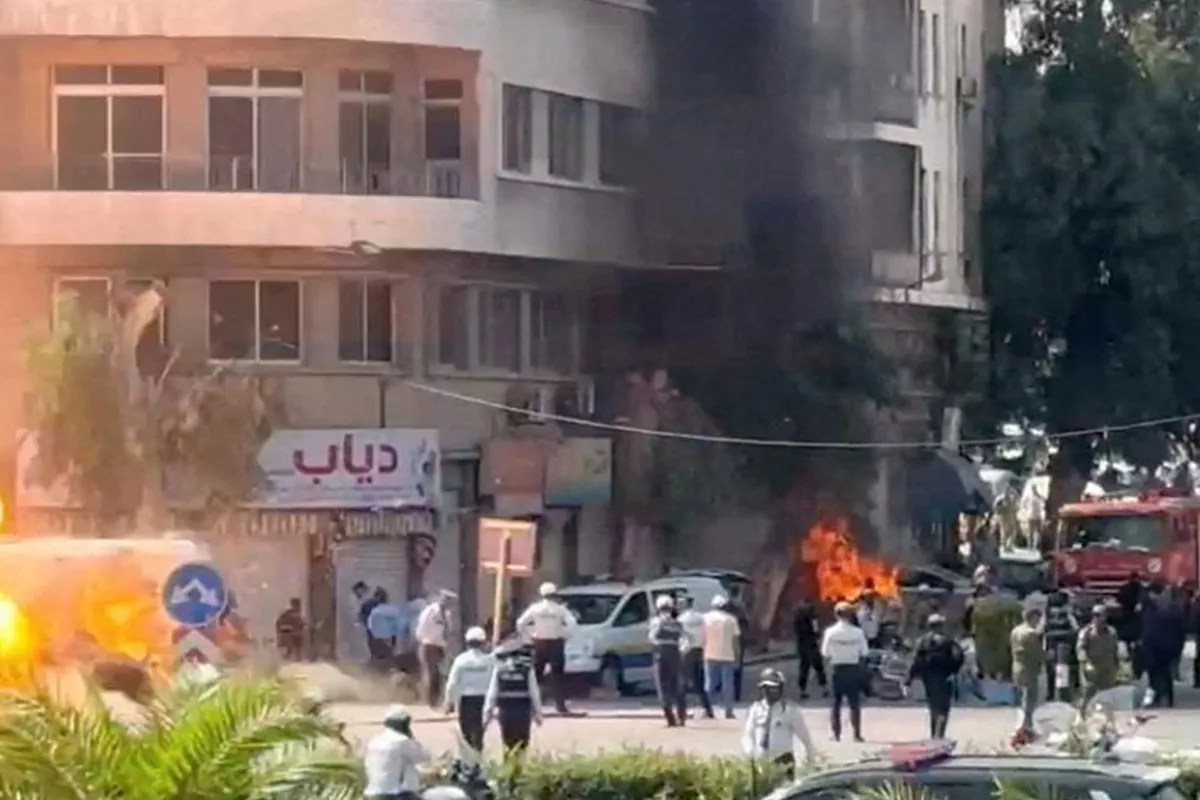
This creates a dangerous environment. Media outlets and private channels post raw, unverified imagery of men rounded up during military operations. These images lack names, dates, or locations. A photo taken in northern Gaza months ago might resurface tomorrow, stripped of context, passed around as new.
Families end up doing the heavy lifting of intelligence work. They analyze shadows to guess the time of day. They study the background terrain to pinpoint the location. It's an agonizing, inaccurate science that leads to inevitable heartbreaks.
When hope collides with reality
When two families claim the same person, the community around them fractures a bit more. Neighbors take sides. Extended families argue over the placement of a scar or the texture of hair.
Think about what happens when one family is eventually proven right. The other family doesn't just lose the claim to the photo. They lose their fragile grip on certainty. They slide right back into the dark void of the unknown. They have to start the search all over again from scratch.
Tracking the missing without a map
Human rights organizations have repeatedly pointed out the lack of transparency regarding detainees. Hundreds of individuals vanish into the system during sweeps. Without a centralized, public database that families can access safely, rumors dictate reality.
What works in theory doesn't work on the ground here. You can talk about international law all day long, but the practical reality for a mother in a tent in Rafah is that Telegram is her only tool. She relies on local journalists who risk their lives to upload footage. She relies on algorithmic feeds that don't care about accuracy.
Common mistakes in digital identification
Desperation makes amateur detectives out of everyone, but the margins for error are razor-thin. Here is what typically goes wrong when families try to identify relatives from viral media:
- Ignoring perspective distortion caused by wide-angle phone lenses.
- Misting clothing items that are actually mass-produced uniform pieces or common charity handouts.
- Confusing shadows and dirt marks for permanent scars or birthmarks.
- Relying on old footage repackaged by channels looking for engagement and clicks.
The real steps families take to find answers
If you or someone you know is trying to verify the identity of a relative in conflict imagery, looking at the screen isn't enough. You have to look at the data around the screen.
First, locate the absolute earliest upload of the image. Tools like reverse image search can help determine if the photo is actually from the current week or if it's recycled footage from a year ago.
Second, cross-reference the date of the upload with the last known location of your relative. If the sweep happened in an area your son couldn't possibly reach due to checkpoints, the probability drops significantly.
Third, submit official traces through human rights groups and legal aid organizations, even if the queue is long. Do not rely solely on social media consensus. It's fickle, and it can break your heart twice.
Demand transparent detainee registries immediately. Keep records of every piece of media you find, noting the exact source channel and timestamp. Protect your mental space by limiting the hours spent scrolling through unverified war footage.