The immediate aftermath of a massive disaster is always deceptively simple. The ground stops shaking, the dust settles, and the cameras focus on rescue crews dragging survivors from the rubble. But the real catastrophe begins weeks later, far from the dramatic headlines, inside overcrowded shelters and ruined streets. Right now, Venezuela is staring down a secondary public health disaster following the devastating twin earthquakes on June 24, 2026.
While the official death toll stands at 1,719, the true danger is just getting started. Tens of thousands of survivors are currently crammed into makeshift camps or sleeping out in the open. The Pan American Health Organization (PAHO) just issued a stark warning that disease outbreaks and a lack of clean water could soon claim more lives than the actual seismic activity. If you think the worst is over once the tremors stop, you don't understand the anatomy of a post-disaster humanitarian crisis. Also making headlines in this space: What Most People Get Wrong About The Strait Of Hormuz Shipping Crisis.
The Grim Reality of Post-Quake Displacement
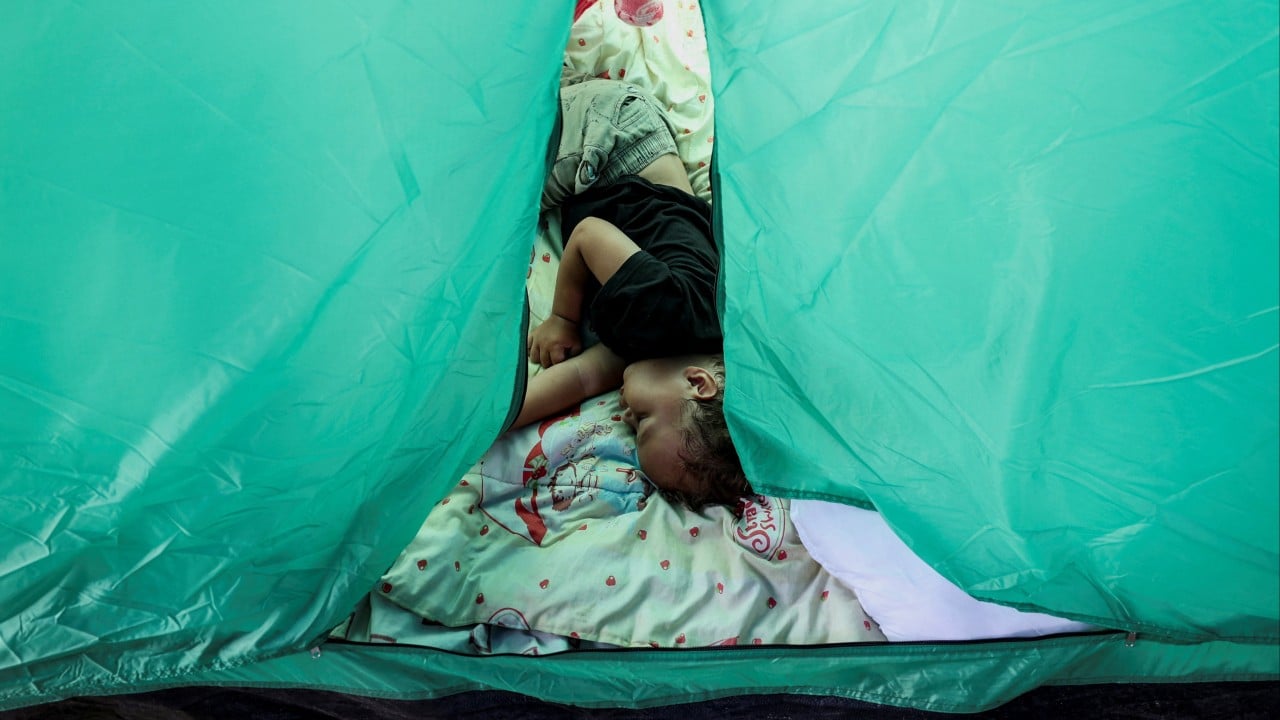
More than 17,907 people are officially displaced, scattered across more than 80 government-opened shelters and countless informal encampments. That number grows by the day as structural engineers condemn cracked, unstable buildings. But a shelter isn't a home. It's often just a crowded gym, a church basement, or a plastic tarp strung up over a public square in hard-hit areas like La Guaira, Miranda, and the Capital District.
A recent rapid assessment by the UN Refugee Agency revealed a terrifying statistic. Nearly 40 percent of the displaced population is living on the streets, in public spaces, or in improvised structures that lack basic safety mechanisms. Think about that for a second. That means thousands of families are sleeping on concrete, completely exposed to the elements, without walls, doors, or any semblance of privacy. More information regarding the matter are explored by Al Jazeera.
When you pack thousands of traumatized people into tight spaces with zero infrastructure, things break down fast. The emergency shelters set up in the wake of the June 24 disaster are largely mixed-sex environments. They lack separate sanitation facilities for men, women, and children. Human rights monitors are already flagging a rise in gender-based violence and major risks to unaccompanied or separated children who lost their parents in the chaos. This isn't just a logistics problem. It's a protection nightmare.
Shelters as Breeding Grounds for Infectious Disease
PAHO Director Jarbas Barbosa recently laid out the situation plainly during a briefing. He made it clear that the primary health risks in the coming weeks won't come from falling debris, but from overcrowded conditions, failing water systems, and a complete lack of routine healthcare.
The national water grid in the affected states was already fragile. Now, it's shattered. Without clean running water, basic hygiene becomes an impossible luxury. People can't wash their hands, clean their food, or flush toilets. Open defecation is becoming common in spontaneous street camps.
This environment is an open invitation for waterborne illnesses. Diarrheal diseases can rip through a tightly packed tent city in forty-eight hours. Young children and the elderly are the first to drop. On top of that, standing water from broken mains and poor drainage is creating perfect breeding grounds for mosquitoes, raising the threat of explosive dengue outbreaks.
Let's talk about vaccination. Before the earthquake hit, Venezuela's routine immunization coverage was already lagging due to years of economic strain. Now, thousands of unvaccinated or under-vaccinated people are sleeping shoulder-to-shoulder. Respiratory infections, measles, and other vaccine-preventable illnesses are ticking time bombs in these camps. PAHO is scrambling to integrate field hospitals into an early warning tracking system to catch febrile syndromes and respiratory outbreaks before they spiral completely out of control. It feels like trying to plug a dam with a finger.
A Healthcare System Pushed Way Past the Brink
To understand why this is so dangerous, you have to look at the state of Venezuelan healthcare before the first tremor even registered. It was a system running on fumes. Hospitals lacked basic antibiotics, reliable electricity, and running water for years.
The twin quakes took that fragile system and smashed it.
Data verified by the World Health Organization looked at 21 major health facilities across Caracas, La Guaira, Miranda, and Falcón. The findings are grim. Three hospitals are completely non-functional or in critical condition. Six more have severe structural damage and can only manage partial operations. The remaining facilities are functioning, but they are drowning under a massive surge of trauma patients.
Ciro Ugarte, PAHO’s director for health emergencies, pointed out that local clinics never designed for trauma care or emergency surgeries had to be retrofitted on the fly. Doctors are performing surgeries in conditions that would make a modern medical professional shudder. There's a massive backlog of surgical procedures, biosafety protocols are failing, and even morgue services are facing severe breakdowns.
Meanwhile, acting Venezuelan President Delcy Rodriguez has publicly defended the government's handling of the crisis. The state claims it has everything under control, pointing to the deployment of international rescue teams, firefighters, and military volunteers. But the reality on the ground tells a completely different story. Civilians and local volunteer networks are the ones doing the heavy lifting, often digging through ruins with their bare hands because official heavy machinery hasn't arrived.
The government's focus is largely on the optics of recovery. Officials talk about the careful preservation of genetic material—teeth, bones, and fingernails—to identify the deceased properly. That's important for the families, of course. But bureaucratic updates about coffins and proper burials don't do anything to stop a living child from drinking contaminated water out of a gutter.
The Mental Trauma Nobody is Talking About
We talk a lot about physical injuries and cholera risks, but the psychological toll of this disaster is staggering. Imagine watching your home collapse in a matter of seconds, losing your entire livelihood, and perhaps listening to a family member cry out under concrete you can't lift.
The United Nations Office for the Coordination of Humanitarian Affairs noted that psychological support is now just as critical as food and water. People are living in a constant state of hyper-vigilance, terrified by every minor aftershock.
Local volunteers, forensic workers, and medical staff are dealing with severe vicarious trauma. They are working twenty-hour shifts surrounded by death and destruction, with absolutely no mental health support systems available to them. When the people resourcefully keeping the system alive break down mentally, the entire recovery apparatus collapses with them.
Immediate Practical Steps for Survival and Aid
If you are on the ground, involved in mutual aid networks, or trying to coordinate relief from the outside, stop focusing on complex long-term rebuilding plans for now. The focus must remain on immediate survival and harm reduction over the next ninety days.
- Prioritize Point-of-Use Water Treatment: Don't wait for municipal water repairs. Distribute water purification tablets, chlorine drops, and portable filtration units directly to individuals in informal street camps.
- Establish Immediate Sanitation Segregation: Separate latrines and washing stations by gender in every single shelter immediately. Light these areas well at night to mitigate the rising risk of gender-based violence.
- Deploy Mobile Vaccination Clinics: Target shelters for rapid catch-up vaccination campaigns focusing on measles, rubella, and basic tetanus shots for workers handling debris.
- Empower Local Community Kitchens: Instead of relying entirely on centralized government food distribution, supply raw ingredients directly to existing neighborhood networks (comedores populares). They distribute food faster and more equitably than bureaucratic agencies.
The international community has mobilized hundreds of millions of dollars, but the pipeline from a Geneva boardroom to a muddy street camp in La Guaira is frustratingly slow. Survival right now depends on aggressive, localized public health interventions. The ground has stopped moving, but the clock is ticking faster than ever.