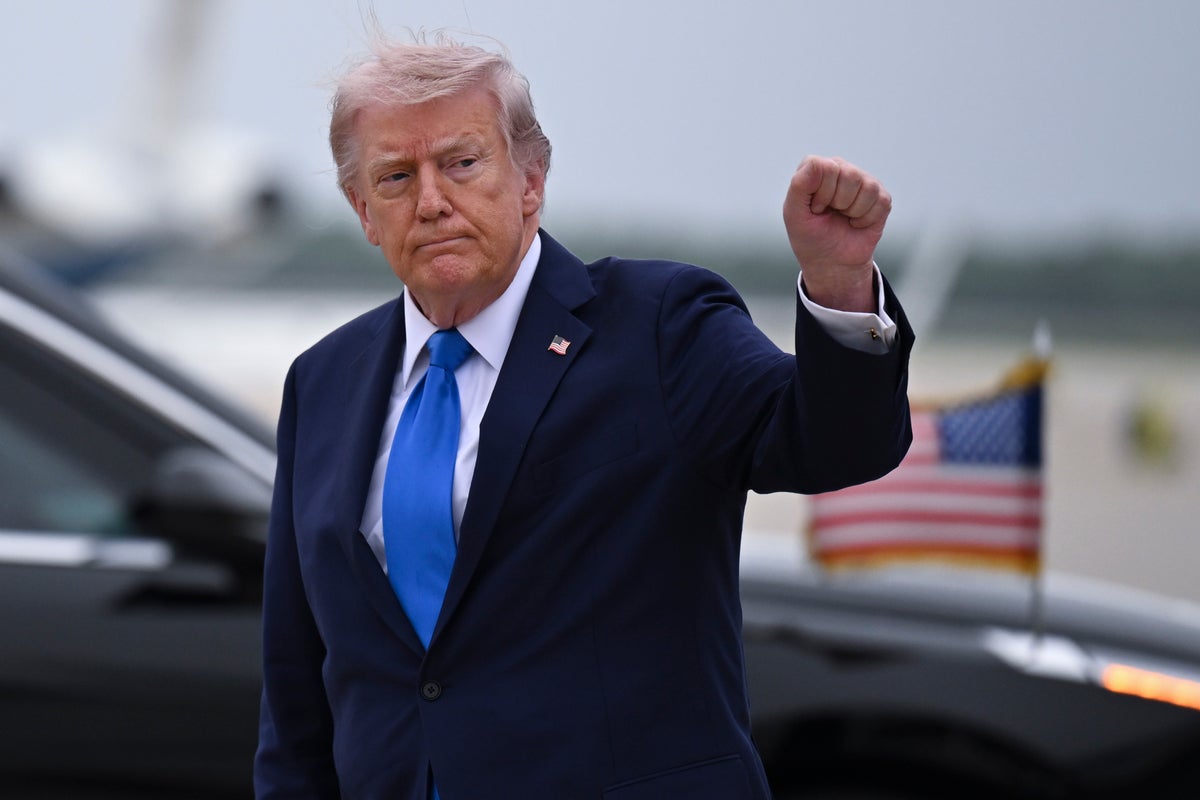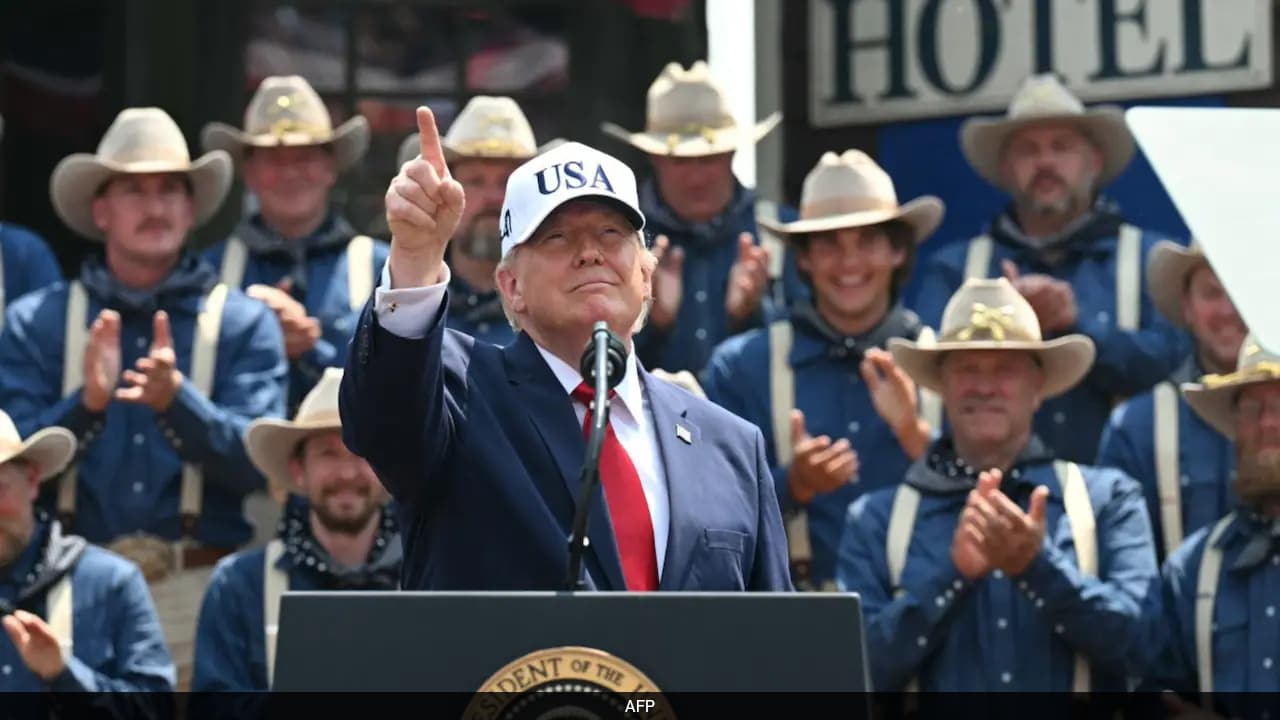
Donald Trump didn't just reject the automatic extension of the U.S.-Mexico-Canada Agreement (USMCA). He effectively placed the biggest free trade zone on earth on a short leash. By walking away from a seamless 16-year renewal, Washington has triggered a grueling cycle of annual negotiations that will last until the pact expires in 2036.
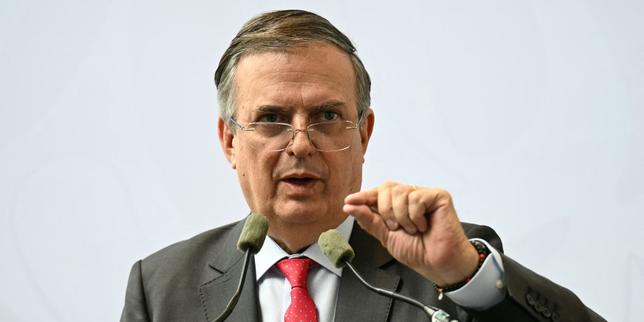
If you think Mexico City is panicking, you haven't been paying attention. Mexico knew this storm was coming. Economy Minister Marcelo Ebrard and the rest of the administration have been quietly constructing a defense wall for months. It's not a panic response; it's a cold, calculated strategy to survive a decade of constant pressure.
The Annual Review Trap
The joint review on July 1, 2026, was supposed to be a routine health check for a treaty covering over $1.5 trillion in annual trade. Instead, U.S. Trade Representative Jamieson Greer made it clear that Washington wouldn't rubber-stamp an agreement that, in its eyes, fuels massive trade deficits and lets Chinese manufacturing slip into the U.S. through the back door.
By defaulting to the annual review track, the Trump administration gains immense leverage.
- Continuous Leverage: Instead of negotiating once every six years, the U.S. can demand concessions every 12 months.
- The Threat of Dissolution: While the treaty stays active for the next ten years, the shadow of a six-month withdrawal notice hangs over every single meeting.
- Choked Investment: Long-term capital allocation requires predictability. A rolling state of renegotiation makes corporate boards think twice before building a factory that takes five years to pay off.
This structure is exactly what business groups feared and what American manufacturing unions wanted. It turns a stable trade partnership into a permanent battleground.
Mexico's Playbook for the Long Game
Mexico's immediate public reaction was a masterclass in projecting calm. Marcelo Ebrard quickly reminded everyone that nothing changes today. The tariffs remain at zero. The rules of origin stay the same. The TN visas for professionals are untouched.
But behind the scenes, Mexico's strategy isn't passive resignation. It's based on hard structural realities that Trump can't simply tweet away.
Supply Chain Inseparability
You can't untangle the North American auto industry without destroying it. A piece of a car often crosses the U.S.-Mexico border several times before the final vehicle rolls off an assembly line. Mexico knows that aggressive, immediate tariffs on Mexican auto parts would cripple Detroit just as fast as they would hurt Puebla or Monterrey.
The China Problem as a Bargaining Chip
Washington's biggest grievance is Chinese "transshipment"—companies from Beijing setting up shop in Mexico to evade U.S. Section 301 tariffs. Trump and Commerce Secretary Howard Lutnick want aggressive regional content rules to block this.
Mexico's strategy is to show willingness to crack down on actual Chinese dumping while protecting genuine investments that bring real jobs to Mexican soil. Ebrard has openly agreed that reducing North American dependence on Asian suppliers is a shared goal. Mexico will use its enforcement of supply chain transparency to win points in other areas, like immigration and security.
Navigating the Two-Track Threat
The White House has floated the idea of pursuing separate, bilateral ten-year deals with Canada and Mexico. This divide-and-conquer strategy is something both America's neighbors have rejected. Mexico's survival depends on keeping a united front with Ottawa, ensuring that North American trade remains trilateral rather than splintering into two unequal, bilateral relationships dominated by Washington.
What Happens Next for Businesses
The reality of an annual review means the era of set-it-and-forget-it cross-border supply chains is over. While compliance filings don't change tomorrow, risk mitigation must change immediately.
- Map Every Sub-Tier Supplier: You need to know exactly where your raw materials come from. If Washington tightens rules on steel, aluminum, or electronics components next year, a product that is compliant today could face steep penalties tomorrow.
- Model Regional Content Adjustments: Prepare for a reality where the U.S. demands even higher regional value content for automotive and manufacturing sectors. Run the numbers on what it takes to source components within North America versus paying the baseline MFN (Most-Favored-Nation) tariffs.
- Anticipate Non-Trade Triggers: Trump routinely links trade terms to immigration enforcement and drug interdiction. A political dispute over border security in October could easily turn into an economic penalty during the next annual review cycle.
The USMCA isn't dead, but the predictability that made it great is gone. Success over the next decade belongs to companies that can pivot as quickly as the annual political winds change.
You can learn more about how this decision reshapes regional commerce by checking out a breakdown of the Trump administration's decision on the trade pact. This brief report provides the immediate market reactions and official statements following the announcement.