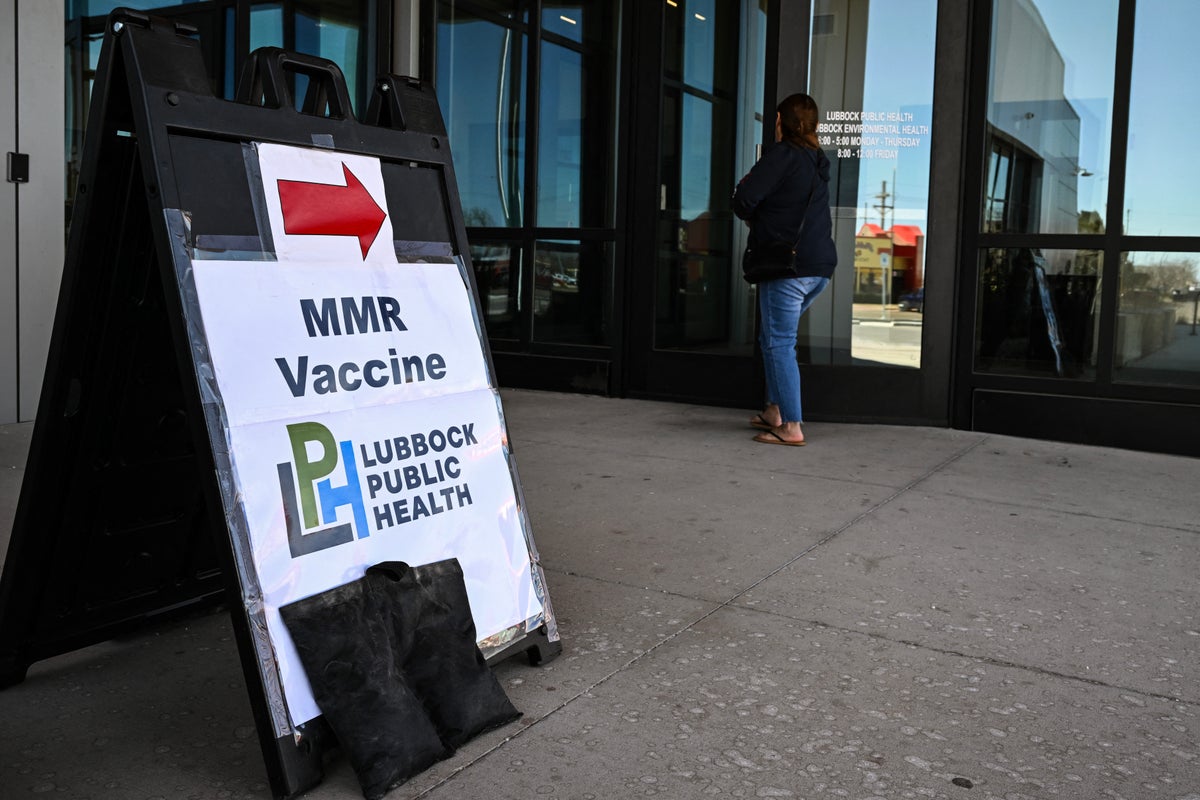
In July, public health officials across the United States hit a benchmark nobody wanted to see. The total count of confirmed measles cases rapidly approached—and began outpacing—the record numbers recorded in previous years. That is not just a statistical blip. It's a loud alarm bell for a disease that the U.S. officially declared eliminated back in 2000.
When a preventable, highly contagious virus starts spiking in mid-summer, it exposes serious gaps in our collective immunity. The situation isn't happening in a vacuum. It comes down to falling vaccination rates, international travel, localized clusters of unprotected communities, and a growing wave of health misinformation.
Understanding what's driving this surge requires looking past the daily headlines. You have to look at the numbers, the science of herd immunity, and what families can do to stay protected.
What the Numbers Are Actually Telling Us
Data from the Centers for Disease Control and Prevention (CDC) paints a clear picture. By mid-year, public health agencies tracked thousands of confirmed measles infections spanning dozens of states and jurisdictions. For context, the U.S. saw only 285 total cases in all of 2024. Surpassing previous multi-decade highs before autumn even arrives signals a massive shift in transmission dynamics.
The vast majority of these infections—over 90% in official CDC tracking—are tied directly to active local outbreaks.
Who is getting sick?
- Young children: Roughly 20% to 30% of cases occur in children under five years old.
- School-age kids and teens: Around half of all reported cases affect kids and young adults up to age 19.
- Adults: The remaining 30% involves adults who either lacked full vaccination or had waning immunity.
Perhaps the single most important metric is vaccination status. More than 93% of the individuals contracting measles in these outbreaks were entirely unvaccinated or had an unknown status. Only a tiny fraction involved people who had received both doses of the MMR (measles, mumps, and rubella) vaccine. The vaccine works. The problem is getting it into arms.
How Measles Spreads So Fast
Measles is not a mild childhood rash. It is one of the most contagious airborne viruses known to medical science.
To understand why outbreaks expand so aggressively, scientists point to the basic reproduction number, known as $R_0$. While seasonal influenza typically has an $R_0$ of around 1.3, and many respiratory viruses hover between 2 and 5, measles has an $R_0$ between 12 and 18. That means a single infected person in a completely unvaccinated room will infect 12 to 18 other people on average.
Measles Transmission vs. Other Common Viruses:
Measles ($R_0$ 12–18):  [X] --> [12 to 18 people]
COVID-19 ($R_0$ 3–5):   [X] --> [3 to 5 people]
Influenza ($R_0$ 1.3):  [X] --> [1 to 2 people]
The virus hangs in the air for up to two hours after an infected person coughs or sneezes. You don't even have to stand next to someone to catch it. You can walk into an empty grocery store aisle or classroom two hours after an infected person left and still breathe in active viral particles.
The Timeline of Infection
Symptoms don't show up immediately. That delay is part of what makes the virus so tricky to contain.
- Exposure: You inhale the virus or touch a contaminated surface and then touch your eyes, nose, or mouth.
- Incubation period: For 7 to 14 days, you feel completely fine. The virus replicates quietly inside your respiratory tract and lymph nodes.
- Early symptoms (Prodromal phase): High fever, cough, runny nose (coryza), and red, watery eyes (conjunctivitis). During this phase, tiny white spots called Koplik spots may appear inside the mouth.
- The Rash: About 3 to 5 days after initial symptoms start, a flat red rash breaks out at the hairline and spreads downward over the face, neck, trunk, arms, and feet.
- Contagious Window: An infected person can spread the virus to others four days before the signature rash appears and up to four days after it breaks out.
Because people are infectious four full days before they even realize they have measles, containment without baseline population immunity is nearly impossible.
Why Herd Immunity Is Slipping Below the Safety Line
Herd immunity happens when enough of a population is immune to an infectious disease that it makes person-to-person spread unlikely. For measles, that threshold is exceptionally high. Public health experts agree that a community needs at least 95% coverage with two doses of the MMR vaccine to maintain herd immunity and protect vulnerable populations who can't get vaccinated, such as infants under 12 months or immunocompromised individuals.
In recent years, U.S. kindergarten MMR coverage has steadily declined. CDC school entry data showed national kindergarten coverage dropping to around 92.7%.
That percentage might sound high on paper. A 2% drop doesn't seem like much at first glance. But in public health, dropping from 95% to 92.7% creates large, dense pockets of unprotected people.
When an imported case arrives from overseas, it acts like a spark dropped into dry timber. In specific counties or tight-knit communities where vaccination coverage drops to 80% or 85%, the virus spreads like wildfire.
Herd Immunity Comparison:
Threshold needed for Measles protection: |===================| 95%
Current U.S. Kindergarten MMR Rate:      |=================| 92.7% (Unprotected gaps exist)
Factors Driving the Decline
- Misinformation online: False claims about vaccine safety, many originating decades ago and debunked repeatedly, continue to circulate on social media.
- Routine care disruptions: Many children missed primary care visits and routine pediatric immunizations during the pandemic years and haven't caught up.
- Non-medical exemptions: An increasing number of states have seen uptick rates in personal-belief or religious exemptions for school entry requirements.
Misconceptions About Measles You Should Ignore
Despite decades of research, dangerous myths about measles persist. Clearing up these misconceptions helps explain why public health officials take every single outbreak so seriously.
Myth 1: Measles is just a harmless rash and fever
That is flat-out wrong. Measles is a severe systemic illness. Around 1 in 10 children with measles develops an ear infection, which can lead to permanent hearing loss. Up to 1 in 20 children contracts pneumonia, which is the most common cause of death from measles in young kids.
About 1 in 1,000 children develops encephalitis—swelling of the brain—which can cause seizures, deafness, or permanent intellectual disability. CDC data shows that roughly 10% to 20% of modern U.S. measles cases require hospitalization.
Myth 2: Natural immunity is safer than vaccination
Catching measles naturally carries severe risks. Beyond immediate hospitalizations, the measles virus causes a phenomenon known as "immune amnesia."
When you recover from a typical illness, your immune system remembers pathogens you previously fought off. But the measles virus attacks memory B and T cells. It essentially wipes out 20% to 70% of your existing antibody repertoire against other diseases like influenza or strep. Getting measles resets your immune system's memory, leaving you vulnerable to other dangerous infections for months or years afterward. The vaccine provides robust protection without wiping out your immune history.
Myth 3: High national averages protect your specific town
National averages hide local reality. A state might have a 94% average vaccination rate overall, but individual neighborhoods, schools, or private religious communities within that state might sit at 75%. The virus finds those pockets immediately.
How the U.S. Could Lose Elimination Status
In the year 2000, the U.S. achieved a major milestone: official measles elimination. That didn't mean zero cases ever again. Elimination means the absence of continuous, endemic disease transmission within a geographic area for 12 months or longer.
Cases still happen when travelers bring the virus back from parts of the world where measles remains widespread. However, if a single strain of measles circulates continuously inside U.S. borders for more than 12 consecutive months, the World Health Organization and CDC must officially revoke the nation's elimination status.
Losing that status isn't just symbolic. It signals a systemic breakdown in basic public health protections. It forces local health departments to divert limited budget dollars toward contact tracing, quarantine orders, and emergency clinic operations instead of preventive care.
Recognizing Measles Complications
Understanding what measles looks like in practice highlights why early intervention and vaccination matter so much.
| Condition / Complication | How Often It Happens | Potential Impact |
|---|---|---|
| Ear Infections | ~1 in 10 cases | Permanent hearing damage |
| Severe Diarrhea | ~1 in 10 cases | Severe dehydration, hospitalization |
| Pneumonia | Up to 1 in 20 cases | Primary cause of measles-related death in kids |
| Encephalitis (Brain Swelling) | ~1 in 1,000 cases | Seizures, brain damage, long-term disability |
| Subacute Sclerosing Panencephalitis (SSPE) | 1 in 10,000 cases (delayed) | Fatal neurological degenerative disorder appearing 7–10 years later |
Actionable Steps to Protect Yourself and Your Family
You don't need to panic, but you do need to be proactive. Stopping measles outbreaks depends on straightforward, practical actions.
1. Check Vaccination Records
Ensure every member of your family has documented MMR doses:
- Children: First dose at 12 to 15 months of age; second dose at 4 to 6 years of age.
- Adults born in or after 1957: Should have documentation of at least one dose of MMR unless they have lab evidence of immunity or a medical contraindication.
- International Travelers: Adults and children over 6 months old heading abroad should ensure full protection prior to departure. Babies aged 6 through 11 months traveling internationally need one early dose of MMR.
2. Know What to Do If You're Exposed
If you suspect you or your child was exposed to measles or is showing symptoms:
- Call ahead before visiting the clinic or emergency room. Do not simply walk into a crowded waiting room. Calling ahead allows staff to isolate you immediately upon arrival so you don't infect vulnerable patients in the lobby.
- Isolate at home. Stay away from work, school, daycare, and public places until cleared by a public health professional.
3. Verify Information Sources
Rely on clinical guidance from pediatricians, accredited medical centers, state public health departments, and the CDC. Avoid unverified medical claims on social feeds when making health decisions for your kids.
What Happens Next
The surge in cases through July shows that measles isn't going away on its own. With school starting up across the country in late summer, public health departments face a tight window to boost routine immunization coverage. Check your family's immunization records today, schedule missing shots with your primary care provider, and make sure your household is protected before school doors open.