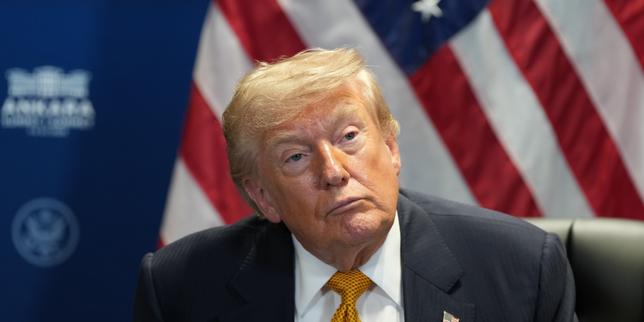
The illusion of peace in the Persian Gulf evaporated in less than a week. If you thought the recent diplomatic breakthrough between Washington and Tehran was going to stick, the last twenty-four hours just delivered a massive reality check. President Donald Trump didn't mince words today when he declared that the fragile ceasefire with Iran is officially over. That announcement came right alongside news of heavy American airstrikes lighting up the Iranian coastline.
We are back at square one, but the stakes are significantly higher this time. The brief window where shipping lanes opened up has slammed shut. Markets are already reacting with predictable panic. If you track global trade or just care about what you'll be paying at the gas pump next week, you need to understand exactly why this deal fell apart so spectacularly.
The Shortest Peace in the Middle East
It lasted roughly seven days. That is how long the memorandum of understanding survived before the missiles started flying again. The core of the arrangement was simple enough for anyone to grasp. The United States agreed to lift its restrictive naval blockade on Iranian waters. In exchange, Tehran promised to stop its proxy and direct attacks on commercial vessels transiting the Strait of Hormuz.
For a moment, it actually looked like it might work. United Nations maritime agencies even began moving stranded cargo ships out of the Gulf. On a single day during the truce, seventy-eight vessels managed to clear the strait. That was the highest traffic volume recorded since this phase of the conflict began, even if it sat well below the prewar average of a hundred and thirty ships per day.
Then everything broke down. On Monday and Tuesday, three commercial oil tankers came under sudden attack in the strategic waterway. Drone strikes and harassment returned with a vengeance. Washington viewed this as a blatant violation of the terms. Tehran claimed the framework allowed them to manage safe passage on their own terms. The disagreement didn't lead to more talks. It led to immediate military retaliation.
What JD Vance Said in Milwaukee
Vice President JD Vance laid out the administration's position during a campaign stop in Milwaukee, Wisconsin. He didn't use diplomatic jargon. He explained the collapse of the truce in blunt, street-level terms that leave no room for misinterpretation.
According to Vance, the deal was straightforward. The US lifts the pressure, and Iran stops shooting at ships. He noted that the Iranians behaved themselves for about a week before resuming their old tactics. The Vice President warned that if Iranian forces continue to target commercial shipping, the American military will punch back harder than ever.
His exact phrase was that the military would knock the hell out of them. It's that simple. Vance made it clear that keeping the Strait of Hormuz open remains a non-negotiable objective for the administration. If Tehran attempts to choke off that corridor, a sustained military response is the guaranteed outcome.
This rhetoric matches the escalating stance from the Oval Office. Trump took to Truth Social to post videos of nighttime explosions, calling the latest operations direct retribution for the targeting of commercial vessels. He warned that the situation will get much worse if another ship is touched. The administration has effectively abandoned the negotiating table, labeling further talks with the current Iranian leadership a complete waste of time.
The Targets the US Hit Inside Iran
This wasn't a minor warning shot. US Central Command orchestrated a massive wave of strikes targeting over eighty distinct sites inside Iran. The operation explicitly focused on dismantling the infrastructure used to threaten international shipping lanes.
Reports coming out of Iranian state media and regional agencies confirm that multiple port cities felt the impact. Heavy explosions shook Bushehr, a highly critical location that houses Iran's only commercial nuclear power plant. While the strikes focused on military installations rather than nuclear facilities, the proximity of the blasts sends an undeniable message.
Further south, the port cities of Chabahar and Konarak saw significant activity. Western Gulf ports and assets near Kharg Island—which functions as the primary terminal for Iran's own oil exports—were heavily hit. Centcom assets targeted:
- Coastal radar installations that track Western naval movements
- Active drone launch sites and storage warehouses
- Anti-ship missile batteries hidden along the cliffs of the strait
- Command and control centers managed by the Islamic Revolutionary Guard Corps
Iran's Foreign Ministry spat back quickly. Spokesman Esmaeil Baqaei argued that Washington's unilateral actions completely undermined the memorandum of understanding. Tehran maintains that under the agreement, they retained the right to dictate security arrangements within the strait. They view the American strikes as a direct violation of sovereignty. The Revolutionary Guard has already threatened broader retaliation against US assets across the region if the campaign continues.
The Shockwave Through Global Energy Markets
Wall Street and international energy hubs didn't wait around to see how Iran would respond. The moment Trump declared the ceasefire dead, oil prices went into a vertical climb.
International benchmark Brent crude surged by almost eight percent, rapidly clearing the eighty dollars per barrel mark. West Texas Intermediate followed a similar trajectory, jumping over seven percent to trade above seventy-five dollars. This sudden spike breaks a brief period of market stabilization that investors hoped would signal a cool-down in global inflation.
Energy analysts are watching the situation with growing dread. The Strait of Hormuz is the single most vital chokepoint for the global oil trade. Roughly a fifth of the world's petroleum passes through this narrow stretch of water between Oman and Iran. You can't easily reroute that volume of oil. Shipping companies that had briefly sent their fleets back into the Gulf are now instructing captains to drop anchor or turn around entirely.
The immediate financial fallout extends beyond oil futures. Maritime insurance rates for ships operating in the Middle East have skyrocketed overnight. Running a cargo vessel through the region is now an astronomical financial risk, and those costs will inevitably trickle down to consumers worldwide in the coming months.
What Happens to Maritime Shipping Now
The UN-backed alternate route that hugged the coastline of Oman is basically compromised. While that path was designed to keep commercial traffic away from Iranian-controlled waters, the threat of drone strikes makes the entire zone a gamble.
If you manage logistics or rely on supply chains tethered to Gulf production, the playbook has changed. You can't rely on diplomatic windows or temporary agreements. The current administration has signaled that its strategy relies strictly on military deterrence rather than negotiated terms.
For businesses and observers trying to navigate this crisis, the immediate steps require shifting away from reliance on Middle Eastern transit corridors where possible. Diversifying supply routes toward rail options across Central Asia or longer maritime journeys around the Cape of Good Hope is no longer a worst-case backup plan. It's becoming the standard operational requirement.
Expect shipping backlogs to build up at major hubs over the next two weeks. Companies should immediately audit their current inventory levels and brace for extended transit times. The conflict in the Middle East has entered a highly volatile escalatory cycle, and hoping for another quick diplomatic fix is a losing strategy.