Geopolitics usually operates on a simple rule: the enemy of my enemy is my friend. Since 2022, Poland has acted as one of Ukraine's most aggressive defenders on the global stage. They opened their borders to millions of refugees. They emptied their own military warehouses to send tanks, ammo, and howitzers across the border.
But history has a way of cutting through modern alliances.
A massive diplomatic rift is opening up between Warsaw and Kyiv. It is not about grain imports or weapon supply lines this time. It is about a dead man, a red-and-black flag, and a historical slaughter that took place eight decades ago.
Poland has delivered a clear ultimatum to Ukraine. Deal with the legacy of Stepan Bandera and the massacres of ethnic Poles during World War II, or face a total Polish veto on entering the European Union.
The breaking point in Warsaw
The latest flare-up did not happen in a vacuum. It was triggered by Ukrainian President Volodymyr Zelenskyy's decision to name an elite Special Operations Forces unit after the "Heroes of the UPA" (the Ukrainian Insurgent Army).
To many modern Ukrainians, the UPA represents a historic struggle for independence against both Nazi Germany and the Soviet Union. But to Poles, the UPA is synonymous with the savage ethnic cleansing of civilian populations.
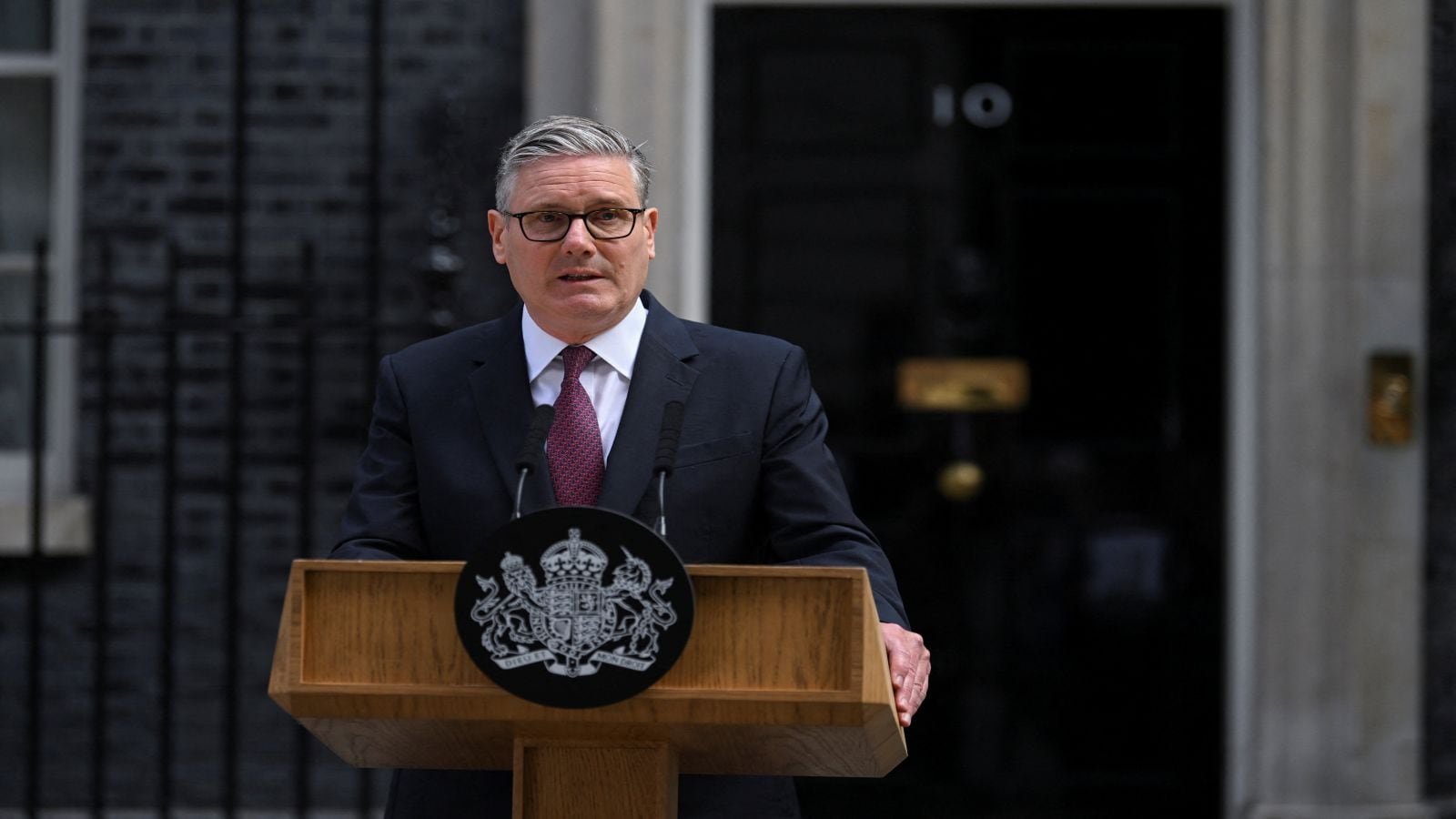
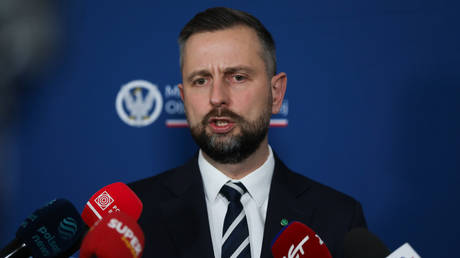
The political blowback in Warsaw was instant. Polish Defense Minister Władysław Kosiniak-Kamysz made Poland's position completely unmistakable on national television.
"With Bandera, Ukraine will not join the European Union," Kosiniak-Kamysz stated on Polsat News. "No one will tell us how to vote on a particular country's accession to the EU."
💡 You might also like: this post
This is not just rogue rhetoric from a hardline politician. It represents a deep, cross-party consensus within Polish politics. Polish President Karol Nawrocki went so far as to propose new legislation aimed at banning "Banderite symbols," putting the red-and-black UPA flag on the same legal level as Nazi and Soviet emblems.
When your closest regional ally starts equating your national heroes with the SS, you have a massive strategic crisis.
Understanding the Volhynia massacres
To see why this issue is so explosive, you have to look back to 1943. While Nazi Germany and the Soviet Union were locked in a brutal war across Eastern Europe, an internal bloodbath erupted in the region of Volhynia—an area that was part of Poland before the war but is now in western Ukraine.
The Organization of Ukrainian Nationalists (OUN) and its armed wing, the UPA, wanted to establish a racially homogenous Ukrainian state. Their leadership decided that the presence of ethnic Poles in Volhynia and Eastern Galicia was a barrier to that goal.
What followed was a coordinated campaign of extreme violence.
Historical consensus among Polish researchers estimates that UPA forces slaughtered up to 100,000 Polish civilians between 1943 and 1945. These were not military casualties. They were villagers, farmers, women, and children. Entire villages were burned to the ground. In retaliation, Polish partisan units struck back, killing between 5,000 and 10,000 Ukrainian civilians.
Poland officially categorizes the Volhynia massacres as a genocide. Ukraine has historically resisted this label, often framing the events as a tragic, symmetrical conflict where both sides suffered equally.
The concrete demands holding up EU integration
European Union accession requires unanimous agreement from all current member states. Every single country holds a veto. Poland has made it clear that they are ready to use theirs.
Warsaw is demanding specific, non-negotiable actions from Kyiv before they will sign off on any EU membership paperwork:
- Unblocking all exhumations: For years, Ukraine has placed moratoriums and bureaucratic roadblocks on Polish efforts to find, dig up, and properly bury the remains of Polish victims buried in mass graves across western Ukraine.
- Ending the state-sponsored cult of OUN-UPA figures: Poland wants Ukraine to stop renaming streets, building monuments, and naming active military brigades after leaders like Stepan Bandera and Roman Shukhevych.
- An honest accounting of history: Warsaw rejects the idea that this history should simply be "left to historians" while politicians focus on the future. They want official recognition of the nature of the crimes.
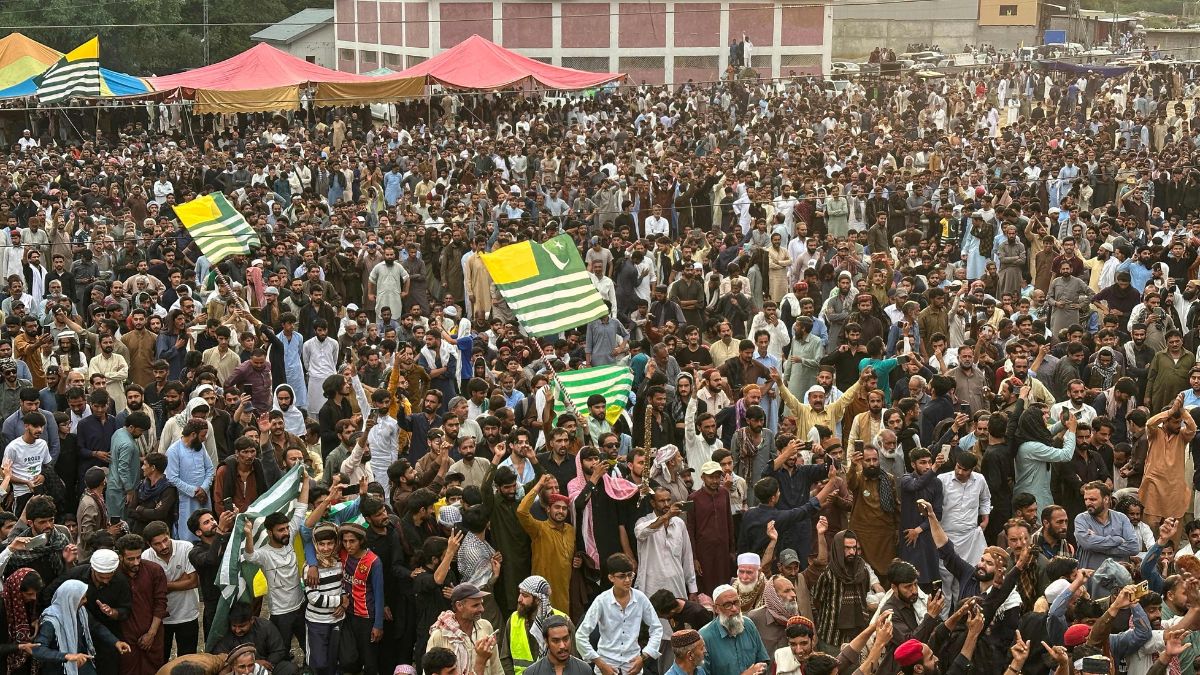
Ukraine finds itself in a brutal ideological bind. The country is currently fighting for its survival against a Russian invasion. To motivate soldiers and build national unity, Kyiv has leaned heavily on historical nationalist narratives. Symbols like the UPA flag and the slogan "Glory to Ukraine" have been completely mainstreamed.
But what functions as an anti-Russian rallying cry inside Ukraine looks like the glorification of war criminals to the people living just across the western border.
The strategic cost of historical stubbornness
This dispute is already spilling over into active defense cooperation. Poland recently put the brakes on a proposed deal to transfer its remaining Soviet-era MiG-29 fighter jets to Ukraine. The original plan was a pragmatic trade: Poland would give Ukraine the jets, and Ukraine would share its advanced, combat-tested drone technology and operational know-how.
That deal has stalled out. Polish officials openly complain that Ukraine accepted the initial offer but failed to deliver on the drone technology transfer. Without that reciprocity, the MiGs stay on Polish tarmac.
Ukrainian officials, including Kyrylo Budanov, the head of military intelligence, have warned that tensions between the two neighbors have not even hit their peak yet.
If Kyiv continues to push the boundary by honoring UPA figures while expecting unconditional Western integration, they are miscalculating how EU politics works. The European Union is built on deep institutional cooperation. You cannot enter a club while simultaneously celebrating the historical figures who slaughtered the families of the people sitting at the main table.
Next steps for following this geopolitical standoff
To keep tabs on how this diplomatic crisis evolves, look for these specific indicators over the coming months:
- Watch the Ukrainian Institute of National Remembrance: See if they actually grant the long-delayed permits for Polish archeologists to conduct field research and exhumations in western Ukraine. Real shovels in the ground will be the first sign of a true thaw.
- Monitor EU enlargement chapters: Track the specific technical negotiations regarding Ukraine's EU accession. Watch closely for formal Polish objections or conditions inserted into the chapters covering judiciary and fundamental rights.
- Observe bilateral military agreements: Pay attention to whether the stalled MiG-29 fighter jet transfer gets revived, which would indicate that backroom diplomatic compromises are succeeding.
For a deeper look into the historical roots of this dispute, watch the detailed breakdown on the TVP World YouTube Channel, which outlines why the red-and-black flag remains such a toxic point of division.