You don't usually see a private businessman sitting at the center of a high-stakes diplomatic table next to the U.S. Secretary of State. Yet there was Michael Boulos, the husband of Tiffany Trump, taking up prime real estate during a crucial working lunch in Abu Dhabi between Secretary of State Marco Rubio and United Arab Emirates President Mohamed bin Zayed.
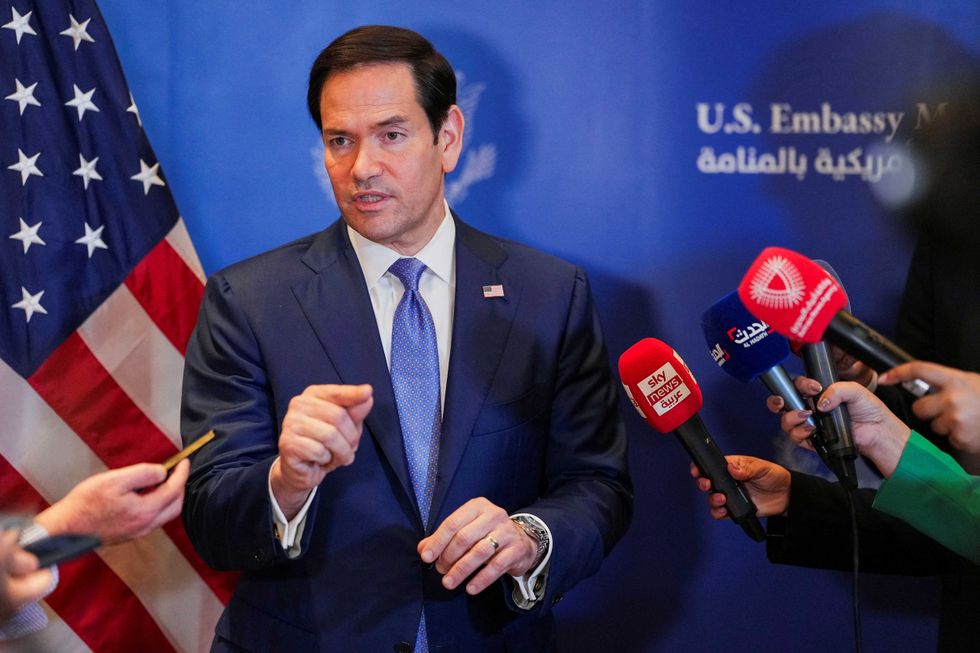
When reporters cornered Rubio in Kuwait City to ask what a guy with zero government credentials was doing in a closed-door meeting about Middle East security, the nation's top diplomat didn't have a solid policy answer. He offered a social excuse instead.
The Justification That Raised Eyebrows
Rubio told reporters that Boulos was simply in town to visit family. He stumbled over the details when pressed by journalists who noticed Boulos in official photographs distributed by the State Department.
"He was there to see his brother that lives here—he was just there to see me and catch up," Rubio said.
When a reporter pointed out that the gathering wasn't just a casual chat but a formal working lunch with the Emirati head of state, Rubio scrambled to clarify. He claimed the actual policy conversations didn't involve Boulos, but he couldn't explain why a "catch up" session required a seat at a table where top-tier international relations were being ironed out.
What Was Actually on the Table
This wasn't a low-level meet-and-greet. The Abu Dhabi summit happened at a critical moment for U.S. foreign policy in the Gulf. Rubio was actively traveling the region to sell the Trump administration's recent memorandum of understanding with Iran and to handle rising anxieties from Arab allies.
According to official briefings, the topics discussed at that exact lunch included:
- Reassuring Gulf allies that U.S. peace talks with Tehran won't compromise their safety.
- Securing international transit and keeping shipping lanes open through the Strait of Hormuz.
- Managing regional stability following high-casualty ballistic missile impacts in Israel.
Mixing family connections with sensitive regional security talks creates an instant optics problem. The presence of an unvetted private citizen at the table blurs the line between official state business and personal family networks.
A Complex Web of Family Interests
The situation gets messier when you look at the Boulos family's broader ambitions. Michael Boulos is a businessman, but his father, Massad Boulos, is a senior adviser to Donald Trump on African affairs. More importantly, rumors have circulated widely in diplomatic circles that Massad Boulos has been actively vying for an ambassadorship in the UAE.
Bringing the son of a potential ambassadorial nominee into a private session with the UAE president bypasses standard state protocols. It gives the appearance of personal access that career diplomats and elected officials rarely get, leaving critics to wonder if private business or family advancement was being discussed alongside American foreign policy.
The Trump family has a long history of blending relatives with statecraft. Jared Kushner famously managed Middle East portfolios during the first term despite widespread pushback over his lack of diplomatic experience. The presence of Michael Boulos in Abu Dhabi suggests the administration is leaning back into the same playbook, treating high-level diplomacy as a family affair.
Navigating the Fallout
If you are tracking how U.S. foreign policy operates, situations like this matter because they erode the distinction between public service and private influence. When private individuals sit in on meetings with foreign heads of state, it changes how international partners view American commitments.
To keep an eye on how these diplomatic boundaries are managed moving forward, your best bet is to monitor the official State Department press briefings and watch the upcoming Senate Foreign Relations Committee hearings, where Rubio will likely face direct questioning from lawmakers about who gets access to the diplomatic table.