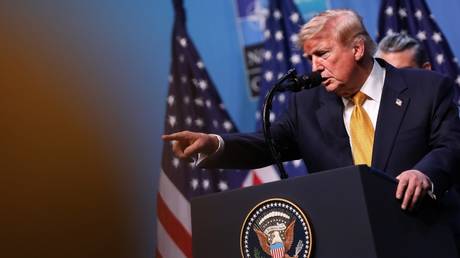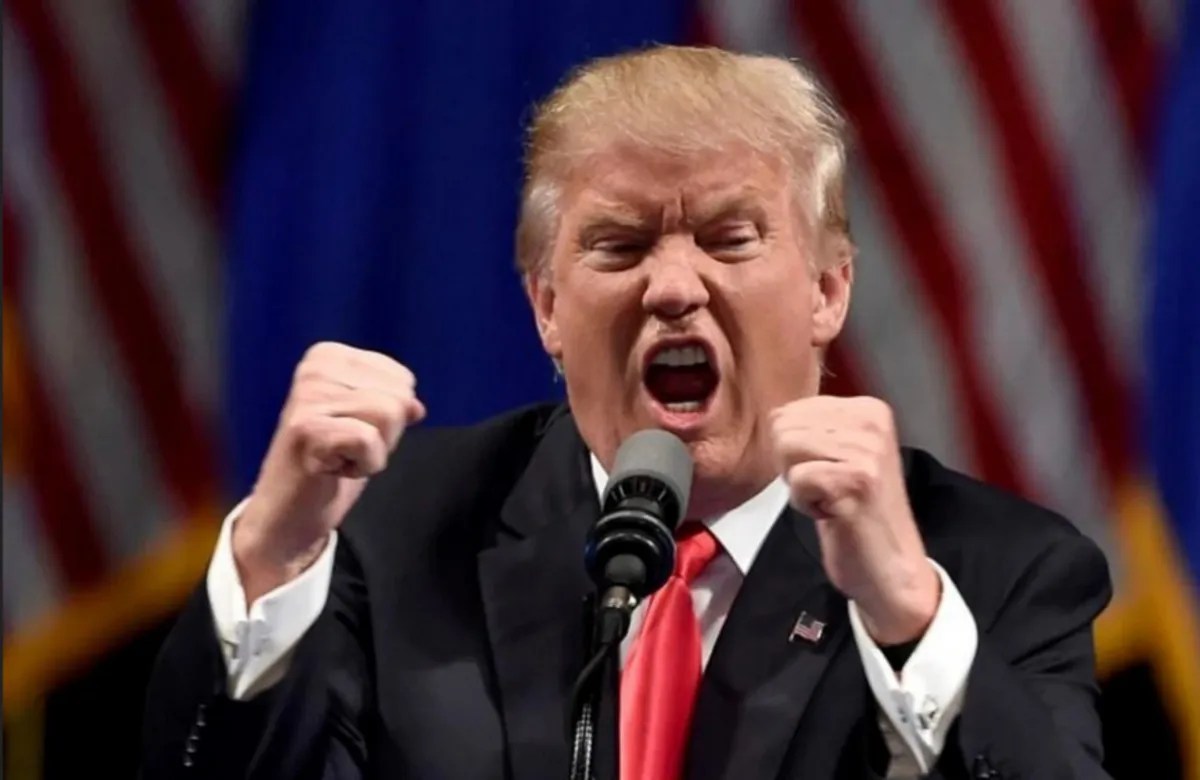
Donald Trump isn't leaving his personal safety to chance, and he isn't keeping his retaliation plans a secret either. In a blunt interview with the New York Post on July 10, 2026, the US president confirmed he signed off on standing military instructions to hit Iran with total force if Tehran ever succeeds in assassinating him.
"I've been on their list for a long time," Trump said. "The only thing is, I've left instructions — if anything happens, to just literally bomb them at levels that they've never seen before."
It's a terrifying escalation in tone, but honestly, nobody following Middle Eastern diplomacy should be surprised. This isn't just standard political theater. It's a calculated attempt to establish a nuclear-style deterrent around a single human being.
What Trump Revealed In His Latest Interview
The president didn't mince words during his Friday sit-down. He made it clear that while he knows he remains Tehran's primary target, he considers standing military orders the best way to keep Iranian leadership from crossing the line.
"I've been No. 1 on Iran's kill list for a long time, and it's the way life is, you know," Trump noted, adding with a dry grin, "I hope you'll miss me."
Interestingly, Trump publicly brushed off recent reports suggesting Israeli intelligence had flagged a fresh, active Iranian plot against him. The Wall Street Journal and CNN both reported earlier in the week that Israeli intelligence shared specific warnings with Washington regarding an alleged plot.
Trump shot down that framing. "No, no. Israel came up with nothing," he insisted, arguing that the threat level hasn't suddenly spiked because it was already at maximum capacity.
Whether Israel's report was a genuine alert or a strategic push to encourage harder US military action, Washington isn't ignoring the risk. During his return from the NATO summit in Ankara, security officials had Trump switch aircraft as a precaution. Defence Secretary Pete Hegseth also canceled a planned visit to Israel around the same time.
The Long Trail Of Vengeance Since 2020
To understand why this standing order exists, you have to look back at six years of escalating grudges. Tehran's obsession with Trump started in January 2020, when a US drone strike killed General Qasem Soleimani near Baghdad airport. Soleimani headed the Islamic Revolutionary Guard Corps' elite Quds Force and was practically a deity within Iran's political apparatus.
Ever since, Iranian officials, state media, and military leaders have openly pledged blood revenge.
Things turned far deadlier in early 2026. Joint US and Israeli airstrikes targeted top Iranian leaders, including Supreme Leader Ayatollah Ali Khamenei. When Tehran held mass funeral ceremonies in early July 2026, the crowd didn't just mourn. Mourners carried massive banners declaring "WE WILL KILL TRUMP," while state-sanctioned eulogists asked openly why the American president was still breathing.
Add in Trump's domestic survival story — notably surviving a bullet to the ear during a July 2024 rally in Butler, Pennsylvania — and you see a president who believes assassination isn't a theoretical threat. It's an active work in progress.
How Deterrence Functions When A President Is Targeted
Normally, deterrence exists between nations to protect borders, assets, or allies. Trump has essentially tied national security policy directly to his own physical survival.
By publicly announcing that standing strike orders exist, he's trying to eliminate a specific strategic gamble Iranian commanders might make. The gamble goes like this: if Iran takes out the sitting US president, Washington will fall into political chaos, second-guessing itself while a vice president transitions into power.
Trump's message effectively says: the orders are already signed. There won't be a debate in the Situation Room. There won't be a congressional delay. The planes launch automatically.
Is that legally or constitutionally binding for a successor? That's debatable. War Powers clauses give a sitting commander-in-chief immense latitude to order immediate retaliatory strikes following an attack on American leadership, but any incoming president technically holds final executive authority. Yet by framing it as an automated reaction, Trump aims to make the threat credible enough to stop any Iranian operative from pulling the trigger.
The Broader Collapsing Truce In The Gulf
This assassination talk isn't happening in a vacuum. It's breaking out right as the broader region catches fire again.
Only weeks after a temporary ceasefire memorandum was inked in Switzerland, fighting reignited in the Strait of Hormuz. Iranian forces targeted three commercial vessels, prompting US Central Command to launch nearly 200 airstrikes against roughly 80 targets across Iran. The US Treasury promptly revoked oil sanctions waivers, stripping Tehran of its main financial incentive to keep talking.
Trump declared on Truth Social that the ceasefire is officially over, even if low-level technical talks continue in Qatar.
When you combine active naval strikes in the Gulf, revoked economic waivers, and explicit threats of massive retaliation, the room for diplomatic maneuvering has shrunk to almost zero.
What To Watch Over The Coming Weeks
If you want to track where this crisis goes next, keep your eyes on these core indicators:
- Track military movements in the Strait of Hormuz to see if Iran attempts to shut down tanker traffic again.
- Watch official statements from Iran's new Supreme Leader, Mojtaba Khamenei, who has kept a low profile due to security fears.
- Follow US diplomatic cables out of Qatar to see if technical talks yield any operational ground rules.
- Observe US security posture around presidential transit, especially during international summits.
- Pay attention to Congressional responses regarding executive authority over pre-authorized military retaliations.