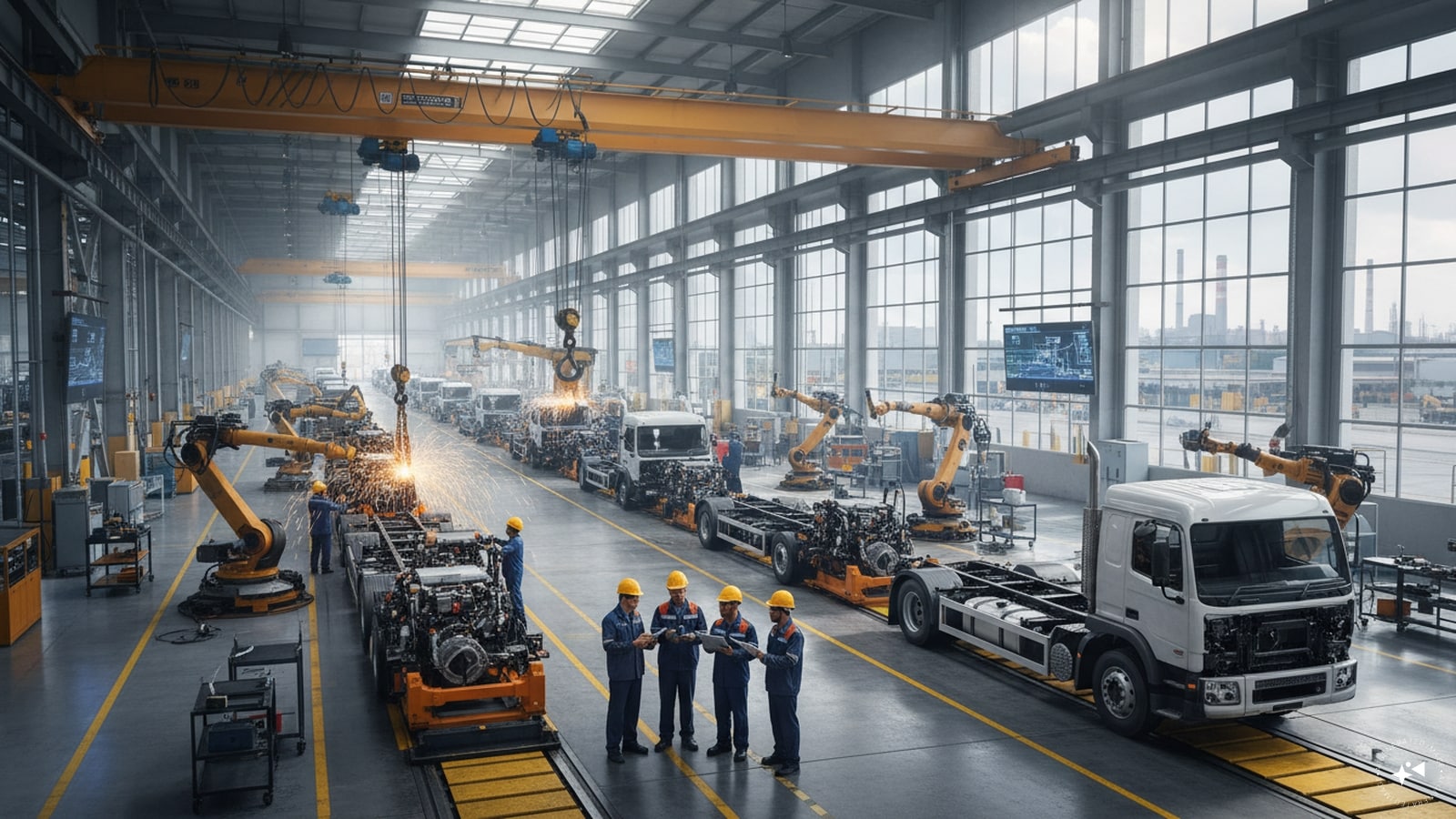
Imagine dedication. Picture an electrician working grueling 12-hour overnight shifts inside a massive automotive manufacturing plant. He has 11 years of clean service under his belt. He earns over $200,000 a year because of his specialized skills and massive overtime hours. Then, in the blink of an eye, security escorts him out of the building like a common criminal.
His crime? Allegedly stealing a single chocolate chip cookie worth less than two dollars.
This is exactly what happened to Kurt Kromm at Ford Motor Company’s Kentucky Truck Plant in Louisville. The story sounds like bad satire. It sounds like something cooked up to make corporate management look as detached as humanly possible. But it's entirely real. The fallout from the incident tells us everything we need to know about modern work, automated surveillance, and the complete breakdown of human empathy in corporate systems.
When Ford fired an employee over a $1.95 cookie, they thought they were enforcing a strict asset protection policy. They thought their automated cameras and self-service kiosk records gave them an open-and-shut case. They were wrong. A simple review of a checking account statement completely flipped the script. By the time the dust settled, a global corporate giant looked incredibly foolish, a veteran worker walked away to a better job, and millions of workers were left realizing just how disposable they really are.
The Night Automated Systems Replaced Human Common Sense
The nightmare began at roughly 3:30 a.m. on May 9. Kromm was deep into a 12-hour shift that ran from 7:00 p.m. to 7:00 a.m. He has diabetes. Anyone managing this condition knows that an unexpected drop in blood sugar isn't an inconvenience. It's an immediate medical emergency. Feeling light-headed and dizzy, Kromm headed to the factory break room to get some sugar into his system.
He decided on a Grandma’s Chocolate Chip Cookie from a self-checkout canteen area run by third-party vendor Aramark. The break room has two automated payment kiosks. Kromm swiped his debit card at the first machine. The screen flashed red. It indicated a transaction error or a failed payment.
Instead of grabbing the snack and walking away, Kromm did what any honest person would do. He moved to the second kiosk next to it. He swiped his card again. This time, he assumed the transaction processed normally. He ate the cookie, stabilized his blood sugar, and went straight back to fixing electrical issues on the plant floor.
He didn't give the moment a second thought. Why would he? He was an elite worker making top-tier wages. He spent over $1,200 a year at that exact factory cafeteria, mostly buying Diet Cokes to get through his exhausting night shifts. Stealing a $1.95 snack was completely out of the question.
When Blind Bureaucracy Overrides Truth
Seven days passed. Then the corporate axe swung.
Kromm’s direct supervisor called him into the labor relations office. A United Auto Workers union bargainer met him there. The union representative dropped a bombshell. Ford was terminating his employment immediately for theft of merchandise.
The company pointed to security camera footage from the break room. The tape showed Kromm at the first kiosk. It captured the screen flashing red. It showed him walking away with the cookie. To the automated security team and the HR bureaucrats sitting in an office, this single video clip was absolute proof of a crime. They didn't bother to check the records of the second machine. They didn't ask Kromm for his side of the story before making a final decision. They simply operated on a rigid, automated logic.
The immediate aftermath was humiliating. Security guards marched the 60-year-old veteran off the property. They didn't let him gather his personal tools. They took his personal laptop right off his desk to ensure he left with nothing.
The union response was equally disheartening. Instead of immediately demanding a thorough technical review of the payment logs, the union bargainer gave Kromm a classic piece of corporate survival advice. He told Kromm to just apologize. He claimed that workers who admit fault and say they're sorry usually get reinstated much faster.
Kromm flatly refused. He knew he wasn't a thief. He refused to lie just to make a broken corporate process run smoother. He was furious that an 11-year career could be wiped out in seconds because a giant corporation preferred trusting a glitchy camera over a loyal human being.
The Notarized Bank Statement That Shamed an Automaker
Once he got home, Kromm did what Ford’s internal security team failed to do. He logged into his online banking app. He scrolled through his recent transactions.
There it was. A pending charge of $1.95 from the Aramark kiosk, stamped with the exact date and time of his midnight snack. He took screenshots and sent them straight to his union representative and Ford management.
You might think the company apologized immediately and welcomed him back. That's not how modern corporate legal departments operate. Instead of acknowledging a mistake, the bureaucracy doubled down. The union informed Kromm that Ford wouldn't accept basic digital screenshots. They demanded formal, notarized bank statements to prove the $1.95 had actually left his account.
Kromm jumped through the hoops. He gathered the official paperwork. He pushed his financial institution and forced a deeper dive into the canteen's electronic logs. Finally, on June 12, more than a month after the initial incident, Aramark officially confirmed to Ford that Kromm’s payment at the second kiosk had gone through perfectly. The system had glitched, but the money was paid.
Ford realized they had zero legal leg to stand on. They rescinded the termination. They offered Kromm his old job back on the exact same shift. They even cut him checks totaling roughly $28,000 to cover his lost back pay for the five weeks he spent stuck at home fighting for his reputation.
The Real Cost of Zero Tolerance and Algorithmic HR
The factory canteen isn't a high-security vault. It's a convenience space for tired workers. Yet, major companies increasingly treat these areas like maximum-security environments monitored by flawless algorithms.
The reality on the ground is far different. Other workers at the Kentucky Truck Plant quickly pointed out that the Aramark self-checkout terminals are notoriously unreliable. Victoria Thomas, a veteran electrician with 34 years of experience at the same plant, confirmed that these payment machines freeze, drop connections, and display error screens constantly.
Even worse, Thomas revealed that Kromm wasn't the first victim of this automated trap. She noted that multiple workers had been quietly fired in the past over disputed snack purchases, including someone terminated over a two-dollar drink. The difference was that those workers didn't have the financial stability or the stubborn determination to fight the corporate machine. They couldn't produce the immediate documentary proof required to overcome a manager's blind faith in surveillance footage.
This highlights a massive danger in today’s corporate workplace. Management teams are outsourcing disciplinary decisions to automated trackers, camera algorithms, and third-party software logs. When a discrepancy occurs, the human worker is automatically assumed guilty. The burden of proof shifts entirely to the employee, who must clear their name while losing their income and facing intense professional shame.
Moving On and Making More Outside the Corporate Machine
Ford’s change of heart came far too late to save the relationship. Kromm looked at the situation clearly. The company called him a thief. Then they basically called him a liar when he protested. They dragged out an open-and-shut case for over a month over an amount of money that wouldn't buy a pack of gum.
He told Ford he wasn't coming back.
Instead of returning to the plant floor in Louisville, Kromm took his talents elsewhere. He found a new industrial electrician position much closer to his hometown of Kenosha, Wisconsin. The change turned out to be an incredible financial win. His hourly wage jumped from $48.00 at Ford to $52.51 at his new company. On top of that, his new employer threw in a steady $10.00 per hour bonus.
When reporters reached out to Ford for comment on the situation, the company hid behind standard corporate public relations language. A spokesperson stated that they don't discuss individual employee cases due to privacy rules. However, they admitted that there are times when the company reviews a history and realizes things could have been handled differently. They claimed they always try to rectify mistakes and want to be as fair as possible.
That corporate doublespeak means nothing to the workers on the line. Ford lost a highly skilled, veteran electrician during a tight labor market because their management structure couldn't handle a simple transactional error with basic human decency.
What Smart Leaders Learn From the Cookie Blunder
This entire mess provides critical warnings for business owners, corporate executives, and HR managers who want to keep their operations running smoothly without destroying employee morale.
- Never let data replace human investigation. If your security cameras show a potential issue, that footage is the start of a conversation, not the final verdict. Talk to the worker before executing a life-altering disciplinary action.
- Factor in an employee's history and value. A zero-tolerance policy that treats an 11-year veteran making $200k exactly the same as a day-one contract worker suspected of systemic theft is deeply broken. Common sense must override rigid rulebooks.
- Audit your third-party tech vendors. If your automated break room kiosks are constantly generating false flags and payment errors, the vendor is the problem, not your staff. Fix the machines instead of firing the workforce.
- Understand the cost of turnover. Replacing an industrial electrician costs tens of thousands of dollars in recruiting, onboarding, and lost productivity. Throwing that value away over a $1.95 dispute is an operational failure.
Step back and look at your own company policies today. Audit how your security teams interact with your workforce. Ensure there's a mandatory human review process that requires physical documentation and management sign-offs before any employee is terminated for low-value property issues. Stop trusting automated screens over the real human beings who keep your business profitable.
Ford Worker Fired Over A Cookie
This video provides an independent analysis of the incident from a long-time automotive perspective, highlighting the frustration workers face when dealing with rigid corporate policies and automated canteen systems.