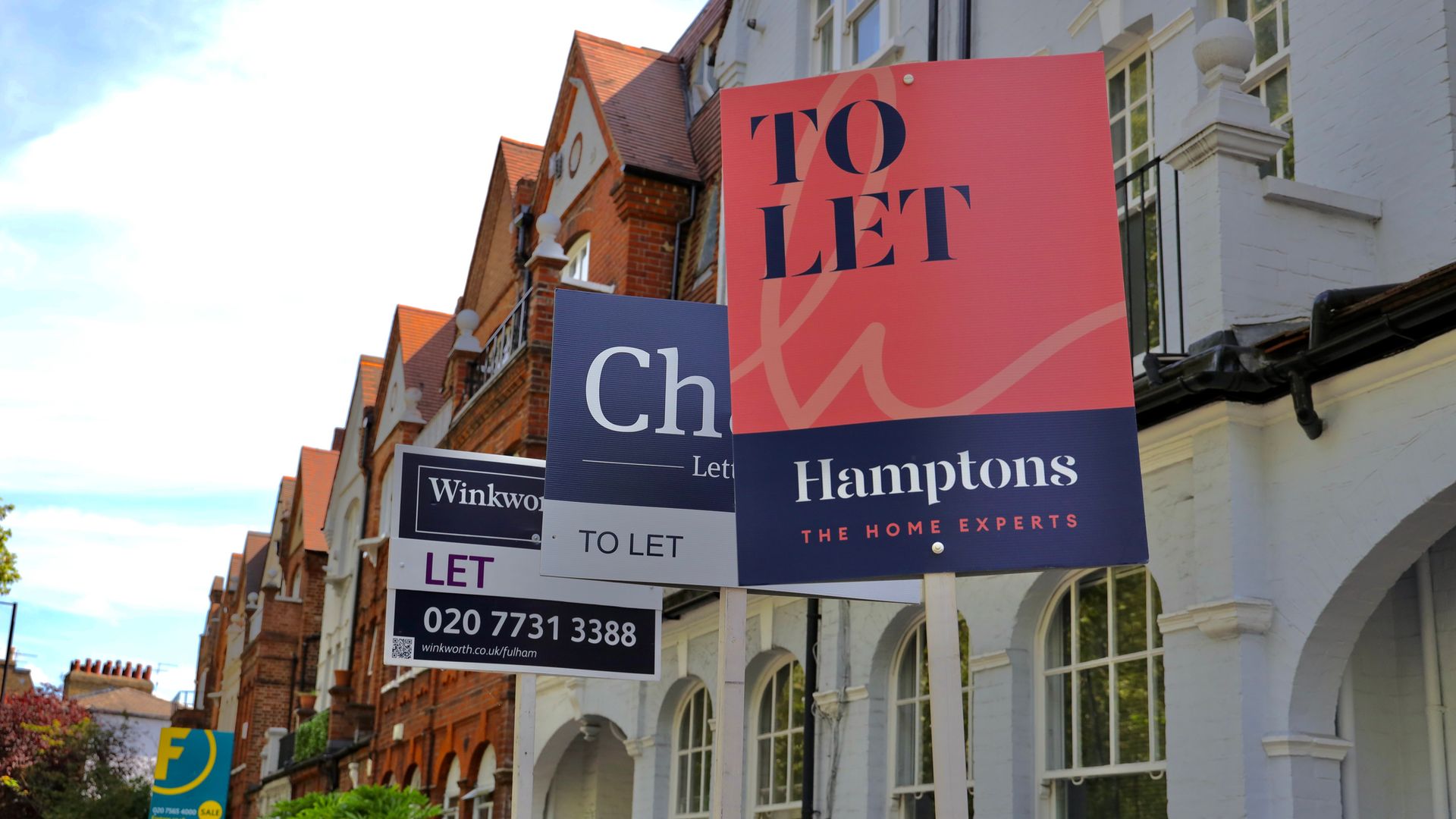
You have probably seen the scary headlines today. The property portals are flashing red, and social media is buzzing with the news that renting a home in Britain has never been more expensive.
Yes, the latest Q2 2026 data from Rightmove is out. The average asking rent across Great Britain has reached a brand-new record of £1,397 per month. If you look outside London, the average is a staggering £1,365, while the capital has climbed to a dizzying £2,712 per month.
It sounds bleak. It sounds like another year of despair for anyone trying to secure a roof over their head without handing over their entire paycheck.
But I am here to tell you that these scary, top-line figures do not tell the whole story. In fact, if you look past the big fat "record high" headline, the underlying data shows something completely different. The rental market is actually cooling. The frantic, line-up-around-the-block panic of the last few years is starting to break. For the first time in what feels like forever, tenants are actually clawing back a bit of power.
Here is what is really happening in the private rental market right now, why the panic is unwarranted, and how you can use this shifting tide to your advantage.
The Numbers Everyone is Obsessing Over
Let us lay out the raw data so we know exactly what we are dealing with. Rightmove’s rental tracker for the second quarter of 2026 shows that advertised prices are still climbing, but the speed of that climb has slowed to a crawl.
- The British Average - The average asking rent is now £1,397 per month, up 1.9% from the previous quarter and 2.3% higher than the same period last year.
- Outside London - Asking rents average £1,365 per month. While this is a record, the annual growth rate is 3.9%—the lowest annual growth rate recorded since the pandemic recovery began in 2020.
- London - The capital's average advertised rent stands at £2,712 per month. Annually, London rents only crept up by 1.9%, showing that the city has very clearly hit an affordability ceiling.
Five years ago, at the start of the pandemic, the average rent was more than £400 cheaper. That is a painful pill to swallow. Renters are paying £417 more per month on average than they did in 2020.
But inflation is finally losing its grip. Colleen Babcock, a property expert at Rightmove, pointed out that while we are seeing record highs, the big picture is that yearly increases are consistently slowing down. The market is finding its limits.
The Big Red Flag for Landlords
If you are a tenant, the most important metric in this entire report isn't the average monthly cost. It is the percentage of properties forced to cut their prices.
Rightmove revealed that nearly a quarter—24% to be exact—of all rental homes on the market are currently undergoing price reductions. That is the highest proportion of rental price cuts recorded since 2017.
Think about what that actually means.
Landlords are still trying to list their properties at sky-high, speculative prices, hoping the desperate gold-rush mentality of 2022 or 2023 is still alive. But it isn't. Tenants are looking at these prices, walking away, and leaving those properties empty. To get anyone through the door, landlords are having to swallow their pride and chop £50, £100, or £200 off the asking price.
We are also seeing homes sit on the market longer. It now takes an average of 25 days for a property to be marked "let agreed," up from 21 days last year and just 18 days in 2022.
Rents are not rising because demand is exploding. Rents are rising simply because of inertia, but the market is actively resisting.
Supply is Up and Demand is Down
For years, the rental market was a brutal game of musical chairs. There were fifty tenants for every damp studio apartment. You had to offer six months of rent upfront just to get a viewing.
That ridiculous era is finally ending.
According to the data, the total number of properties available to rent is 15% higher than it was this time last year. At the same time, tenant demand has dropped by 10%.
We are seeing the best balance between supply and demand since 2020. The average rental home now receives 10 enquiries. Compare that to the absolute madness of 2022, when the average home was bombarded with 22 enquiries. In London, competition has dropped even further, down to an average of eight enquiries per home.
Sure, we are still 29% below pre-pandemic supply levels. We still need more homes. But the trend line is pointing in the right direction for tenants.
Why the Rental Market Has Shifted
We cannot talk about the current rental market without addressing why landlords are behaving this way. They are not just raising prices out of greed. They are facing massive financial pressures of their own.
Many landlords are grappling with a toxic cocktail of high mortgage rates, tax changes, and new regulatory requirements. The average two-year buy-to-let mortgage rate for a landlord with a 25% deposit is currently sitting at roughly 5.79%. If a landlord's cheap fixed-rate mortgage expired recently, their monthly interest payments may have doubled or even tripled.
On top of that, the Renters’ Rights Act came into force in England on May 1, 2026. This landmark legislation has radically changed how tenancy agreements work. It gives tenants much stronger protections against arbitrary evictions and forces landlords to give advance notice of any rent increases.
Megan Eighteen, president of the industry body Arla Propertymark, noted that these regulatory hurdles and tax pressures have caused some landlords to sell up and exit the sector entirely.
However, we are also seeing an interesting twist. In areas where the sales market is sluggish, some property owners who wanted to sell have decided to put their homes on the rental market instead. This accidental landlord phenomenon is helping pump much-needed stock back into the system.
How to Navigate This Market as a Tenant
If you are looking for a place to live right now, you need to change your strategy. The rules of engagement have changed. You are no longer powerless.
Do Not Accept the First Price
If a property has been on the portal for more than two weeks, do not hesitate to make an offer below the asking price. Remember, nearly one in four landlords are already cutting prices. If they want to avoid a costly void period, they will likely negotiate.
Look at Local Trends, Not National Headlines
The rental market is incredibly fragmented. While some expensive areas are stagnant, cheaper regional hubs are still seeing strong growth. Check local listings to see how long properties are sitting. If you see price-drop badges on Zoopla or Rightmove in your target neighborhood, you have the upper hand.
Use the Renters' Rights Act to Your Advantage
Familiarize yourself with your new legal protections. Landlords can no longer use the threat of a "no-fault" Section 21 eviction to bully you into accepting unreasonable rent hikes. If they want to raise your rent, they have to follow strict legal processes, and you have the right to challenge unfair increases.
How to Adapt as a Landlord
If you are a landlord, the days of listing a property at an inflated price and watching tenants fight over it are officially over.
Alex Caddy, an estate agency manager, warns that pricing accuracy is now the single most important factor for landlords. If you overprice your property, it will sit empty.
A vacant property for even one month will cost you far more than accepting a slightly lower, realistic rent from the start. Focus on securing reliable, long-term tenants who will look after the property. With the Renters' Rights Act in full swing, a good relationship with your tenant is worth its weight in gold.
Actionable Next Steps
Instead of stressing over the record-high headlines, take control of your situation with these steps.
- Audit Your Local Market - Go onto Rightmove or Zoopla and filter for your target area. Count how many listings have the "reduced" label. If it is more than 20%, prepare to negotiate hard on any property you view.
- Review Your Current Lease - If your landlord has threatened a rent increase, check if they have served the correct notices under the Renters' Rights Act rules. Do not agree to an increase without checking local comparables first.
- Calculate the True Cost of Moving - With moving costs, reference fees, and physical energy, sometimes negotiating a minor rent increase with your current landlord is cheaper than moving, even in a cooling market.
- Be Patient - If you do not need to move immediately, wait it out. Supply is rising month-on-month. You will have more options and better leverage if you wait for the autumn.
The era of unchecked, runaway rent inflation is finally hitting a wall. The headline numbers look intimidating, but the momentum has shifted. Play your hand wisely.