The Flame Multiplier Nobody Wants to Talk About
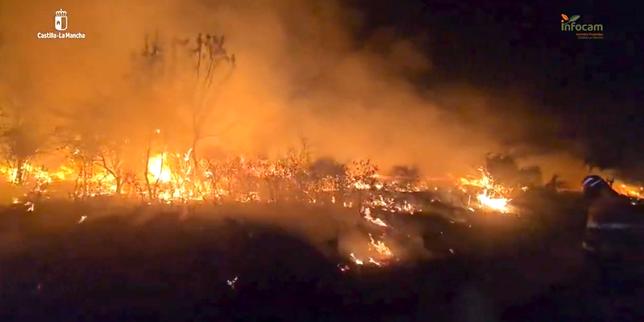
In less than four days, a single fire in the province of Guadalajara, barely 100 kilometers north of Madrid, devours over 26,000 hectares of forest. Over 1,200 residents leave their homes behind. Flames climb through the Sierra Norte natural park, threatening fragile populations of Iberian wolves, imperial eagles, and rare butterflies.
Most headline coverage focuses strictly on the heat. Spain experiences its third heatwave of the summer with temperatures soaring past 40°C, and climate scientists rightly point out that rising global temperatures leave vegetation bone-dry. But framing this as just a weather issue misses the real engine behind the destruction. You might also find this similar article insightful: Why Trump 50 Percent Tariffs On Canadian Goods Change Everything For Trade.
The real crisis stems from rural abandonment. Spain calls this la España vaciada — the emptied Spain. When traditional farming, livestock grazing, and brush clearing vanish from rural mountain slopes, the countryside transforms into an untamed powder keg waiting for a spark.
       [ Rural Flight / Depopulation ]
                      │
                      ▼
   [ Unmanaged Brush & overgrown Forest ]
                      │
                      ▼
 [ Record Heatwave / Extreme Drought (40°C+) ]
                      │
                      ▼
    [ Explosive, Uncontrollable Wildfire ]
How Rural Abandonment Fuelled the 26,000 Hectare Inferno
When firefighters and emergency units like Castilla-La Mancha’s Infocam or the Military Emergencies Unit (UME) arrive near La Mierla and surrounding hamlets, they face a specific challenge. They aren't just fighting fire; they are fighting terrain that hasn't been managed in decades. As extensively documented in latest coverage by The New York Times, the implications are significant.
Years ago, local goats and sheep grazed through these understoreys, eating away dry brush before summer hit. Local communities harvested wood for fuel, creating natural firebreaks. Today, small hamlets dotting the Sierra Norte host only handfuls of elderly residents or seasonal tourists.
Without active land management, dense thickets build up. When a fire starts — whether from a lightning strike or human negligence — it doesn't creep along the ground. It climbs quickly into treetops, creating intense crown fires that can't be stopped by ground crews alone.
+--------------------------+------------------------------------+------------------------------------+
| Feature                  | Traditional Rural Management       | Abandoned Rural Land (Current)     |
+--------------------------+------------------------------------+------------------------------------+
| Understorey Brush        | Kept low by grazing animals        | Overgrown, continuous fuel bed     |
| Firebreaks               | Maintained by agriculture/cutting  | Overgrown with dry scrub           |
| Local Knowledge          | Active, immediate early response   | Delayed response, micro-hamlets    |
| Wildfire Spread Pattern  | Slow ground fire, easier to contain| High-intensity, explosive crown fire|
+--------------------------+------------------------------------+------------------------------------+
The regional emergency personnel highlight how tricky these micro-hamlets make evacuation efforts. Logistics get bogged down when firefighters have to protect dozens of isolated, thinly populated settlements spread across rugged geography instead of building a single containment line.
Why Extinguishing Capacity Hit a Ceiling
Throwing more water bombers and specialized troops at a 26,000-hectare wall of flame rarely stops a megafire once it hits peak momentum. During extreme heatwaves, wind conditions and convection currents generated by the fire itself override standard firefighting tactics.
The European Forest Fire Information System (EFFIS) tracks over 104,000 hectares burned across Spain so far this year. While that remains below the catastrophic record set in previous seasons, it demonstrates a persistent pattern: fires are growing larger, faster, and harder to contain with conventional tools.
Emergency crews do heroic work pulling people out of harm's way, but relying on suppression after ignition is a losing strategy. Once a fire achieves this scale, it usually takes a shift in weather, drops in temperature, or natural barriers to slow the perimeter down.
What Spain Must Do Next to Fix the Problem
Stopping this cycle requires moving past seasonal emergency responses and tackling land use head-on.
- Reintroduce controlled winter burning. Fire management teams need regulatory support to conduct extensive prescribed burns during cool, damp months to clear high-risk fuel loads.
- Support pastoral grazing initiatives. Programs that pay local shepherds to graze herds along strategic buffer zones create natural, cost-effective firebreaks that require zero heavy machinery.
- Incentivize rural land stewardship. Tax incentives or direct subsidies for landowners who maintain clear brush borders around properties can protect micro-hamlets before summer arrives.
- Enforce defensive space zones. Municipalities need strict enforcement requiring a clear 30-meter buffer around all structures in high-risk forest interfaces.
Waiting for autumn rains won't fix the underlying issue. Without active management of rural landscapes, every summer heatwave will turn another region into an uncontrollable inferno.

/cdn.vox-cdn.com/uploads/chorus_image/image/73064899/1255687.0.jpg)