When an entire month’s worth of rain falls in just 48 hours, a small community doesn't just get wet. It gets overwhelmed. The town of Tofield, Alberta, located just an hour southeast of Edmonton, found this out the hard way. A massive storm dumped roughly 20 centimeters of rain on the region, turning streets into literal rivers and forcing a local state of emergency that stretched for weeks.
Now, the emergency alerts have finally expired. The immediate panic is over, but the actual work is just beginning. What a lot of outside observers miss is that when the floodwaters recede, the real crisis shifts from public safety to economic survival and infrastructure strain. Tofield’s 2,100 residents are looking at months of grueling recovery. Here is what it takes for a small Alberta town to rebuild after the water clears, and why the current playbook for rural disaster response needs a serious upgrade.
The Reality Behind the Receding Water
It's easy to look at dry asphalt and assume everything is back to normal. That's a mistake. Mayor Adam Hall recently confirmed that water south of the tracks has mostly receded around local businesses. The creeks are full but flowing where they should be. On paper, it sounds like a victory.
In reality, the soil is completely saturated. Pockets of water are still moving into the west end of town from surrounding Beaver County. The immediate threat of a total wastewater system collapse has passed, but the infrastructure took a beating. Pumping out an entire town requires round-the-clock operation of vac trucks and heavy municipal pumps. That puts a massive strain on small-town budgets and personnel who have been working non-stop since late June.
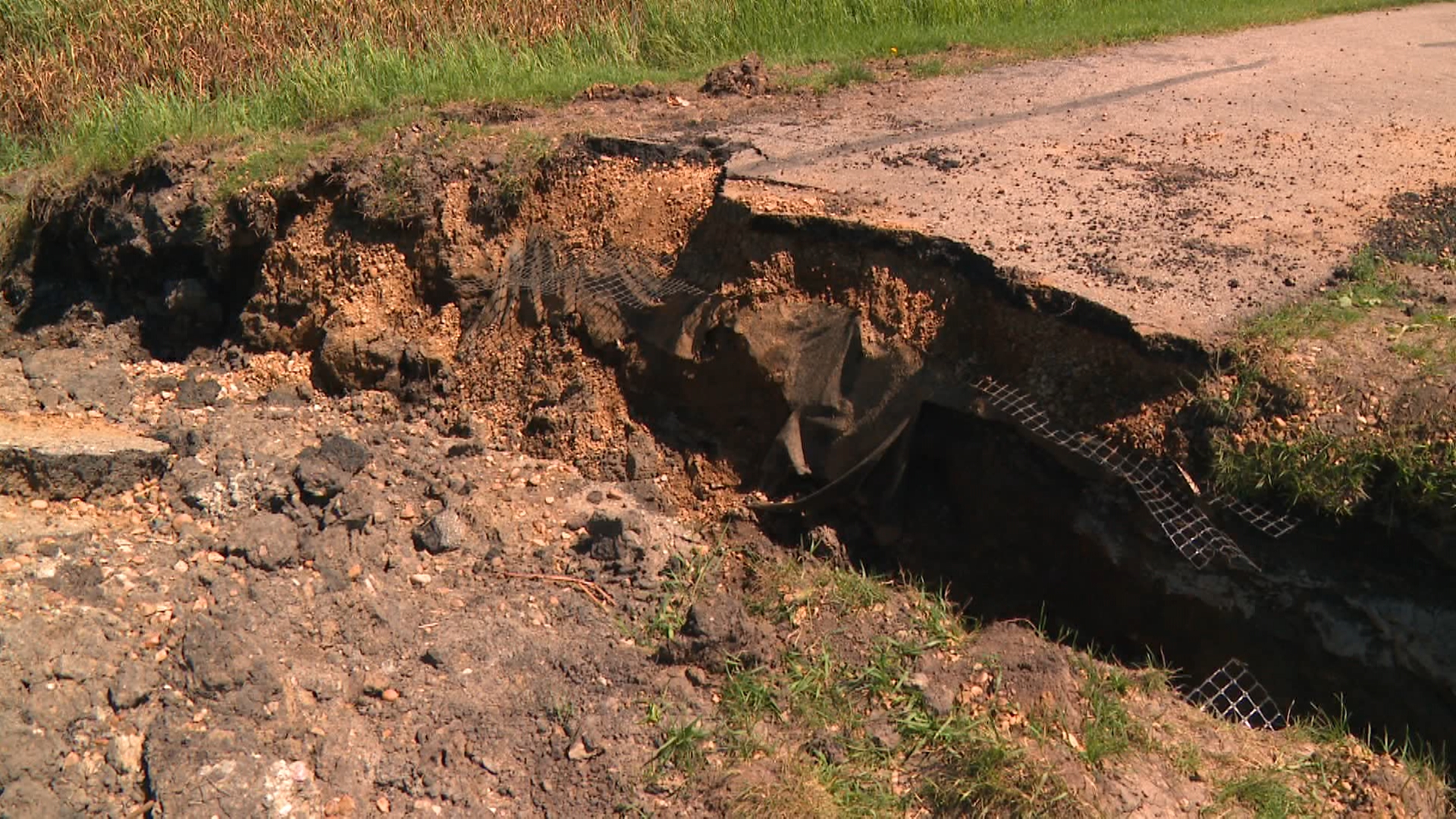
Small municipalities don't have the deep pockets of major cities. When a road leading out to the local lagoon gets washed out, it can't just be added to a long-term capital projects list. It has to be fixed immediately to keep basic services running. One major walking trail in town remains severely damaged, standing as a quiet reminder of how fast nature can tear apart years of community investment.
The Invisible Toll on Local Business
While the town's infrastructure technically held up, local business owners bore the brunt of the manual labor required to save their livelihoods. Take Tofield Packers, a long-standing local butcher shop. The building was entirely cut off, surrounded by a lake of floodwater that swallowed their parking lot.
Owners Jill Lungal and her father, Dale Erickson, didn't just wait for municipal help. They spent three exhausting days building a fortress out of more than a thousand sandbags, running multiple sump pumps simultaneously to fight back the rising water. It was a relentless game of endurance.
"We were kind of on a hamster wheel for a couple of days there trying just to keep it out of the building," Lungal recalled.
They managed to save their coolers and commercial drains, avoiding catastrophic financial loss. After a quick inspection by health officials, they were back open. But the physical toll, the lost revenue from days of zero access, and the destroyed parking lot infrastructure represent a massive hidden cost. It's a miracle their building survived, but relying on miracles and volunteer muscle isn't a sustainable long-term strategy for rural business resilience.
Why Small Towns Need Different Flood Defenses
Most flood mitigation strategies are built for big cities with concrete river channels and massive storm sewers. They don't work for small towns surrounded by agricultural land. When Beaver County gets drenched, all that overland water naturally migrates toward low-lying communities like Tofield.
The town is already looking into structural changes, including installing new culverts and re-engineering local drainage pathways. But small towns face a distinct set of challenges when upgrading infrastructure:
- Limited Tax Base: Funding multi-million dollar drainage overhauls is nearly impossible with a population of 2,100 without heavy provincial backing.
- Overland Flow Complexities: You aren't just managing the rain that falls on your town; you're managing the runoff from thousands of acres of surrounding farmland.
- Wastewater Vulnerability: Heavy rainfall quickly infiltrates older sewer systems, forcing towns to implement strict water restrictions to prevent raw sewage backups into residential basements.
What to Do if Your Property Gets Hit
If you operate a business or own a home in a rural area prone to overland flooding, relying solely on sandbags isn't enough. You need an active mitigation plan.
First, audit your physical space. Ensure your sump pumps have battery backups; when the grid goes down during an Alberta summer storm, a standard pump is useless. Second, check your insurance policy immediately. Many property owners don't realize that standard commercial or residential policies rarely cover overland flooding without a specific, added rider.
Finally, build a hyper-local network. The only reason places like Tofield Packers survived was because friends, family, and random customers showed up with extra pumps and physical labor. When municipal services are stretched thin across an entire county, your immediate neighbors are your primary line of defense.
Moving forward, the town has a long road ahead to repair its roads, trails, and underlying infrastructure. True recovery means building back in a way that ensures the next 20 centimeters of rain doesn't stall the community all over again.