Prince Harry just had a brutal reminder that once you walk away from the firm, the institutional safety net vanishes completely. His recent high court defeat against the Daily Mail publisher wasn't just a legal blow. It was a complete financial and public relations disaster. The staggering legal costs left him holding a massive bill, but the real damage happened behind the palace gates.
What Harry’s week from hell revealed about the royal family is that the old rules of unconditional family backing are officially dead. Buckingham Palace isn't running a family counseling center. They are running a highly calculated institutional survival strategy. If you choose to step outside the tent, you don't get to run back inside whenever the weather gets rough.
The signs were everywhere during his solo trip to London. He reportedly turned down a room at the palace early on, citing security concerns. By the time he changed his mind, the offer had expired. That tiny administrative detail speaks volumes about where the Duke of Sussex stands with King Charles and Prince William. The royal machine operates on precision and leverage, and right now, Harry has neither.
The Crushing Courtroom Defeat
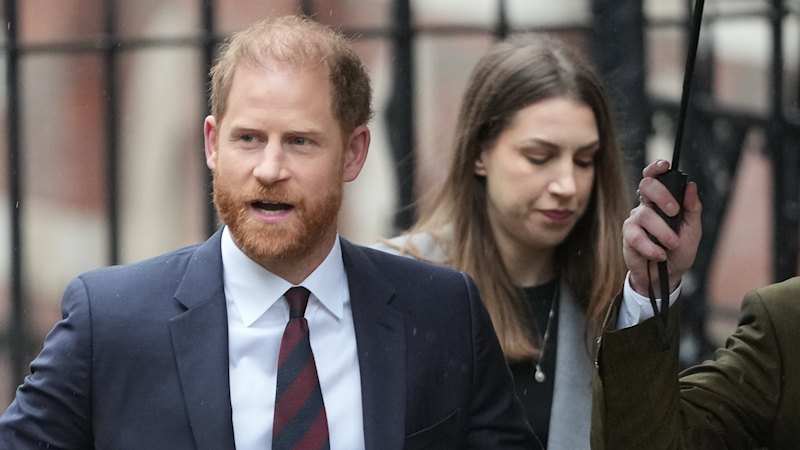
Suing the British press was supposed to be Harry's grand crusade. He wanted to force accountability, reform the media ecosystem, and prove he could win on his own terms. Instead, the High Court rejected his case against Associated Newspapers on every single count.
It was a total rout. The legal bill left behind is catastrophic, with industry insiders estimating the combined costs could approach tens of millions of pounds. For a couple trying to sustain an ultra-luxury lifestyle in California without a steady stream of massive entertainment deals, that hurts.
More than the money, it exposed a structural weakness in his strategy. When he was a working royal, the palace legal team handled disputes quietly. Threatening letters were sent. Deals were made behind closed doors. Now, Harry is just another high-profile litigant standing exposed in a public courtroom. The palace didn't lift a finger to help him steer through the legal minefield. They let him walk straight into a wall.
The Palace Room Drama and the Institutional Chill
The logistics of Harry's UK visits have become a bizarre game of chess. He wanted specific security guarantees. He didn't get them. Then came the mix-up over his accommodation.
- He initially declined a royal residence because he felt it wasn't secure enough.
- He later requested the room anyway as the trip approached.
- The palace informed him the window had passed and the room was no longer available.
This isn't just petty bureaucracy. It's an intentional statement of boundaries. King Charles loves his son, but the institutional apparatus surrounding the monarch is entirely focused on stability. Aides aren't going to scramble schedules or reallocate security resources for someone who spends his time airing family grievances on global streaming platforms.
The firm is showing that access is earned, not inherited. If you reject the obligations of the crown, you lose the perks. That means no automatic police protection, no permanent royal lodging, and no last-minute favors.
A Bitter Divide Between Brothers
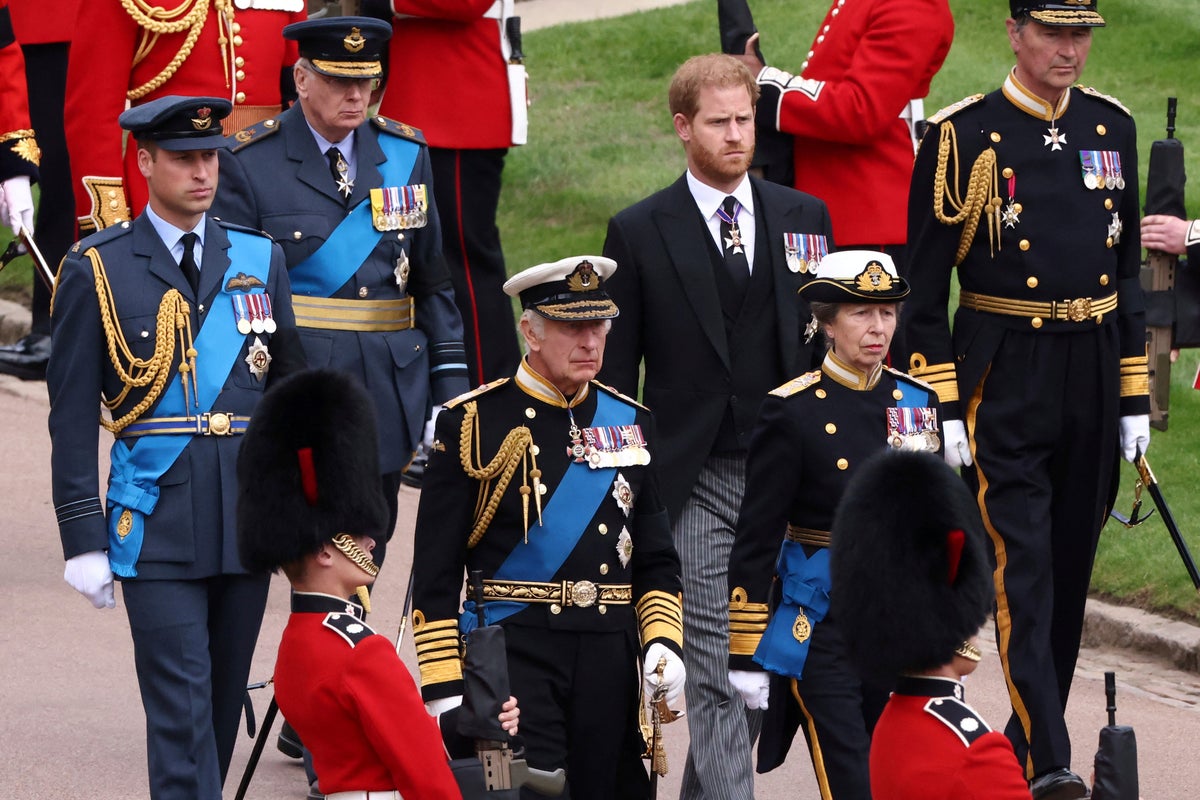
The relationship between Harry and William remains completely frozen. While King Charles keeps a sliver of communication open out of parental obligation, William has locked the door.
William is looking at the long-term future of the monarchy. He sees Harry's public broadsides as a direct threat to the stability of the institution he will one day inherit. There is no desire for a performative truce that could be picked apart in a subsequent memoir or documentary.
The strategy now is silence. The royal family didn't issue lengthy statements about Harry's legal loss. They didn't comment on his housing situation. They simply went about their business. Queen Camilla hosted literary events, and the King focused on state duties. The message is clear. They have moved on, and Harry is no longer part of the daily equation.
The Reality of the Independent Sussex Brand
Living in Montecito requires serious cash flow. Security, staffing, mortgage payments, and public relations representation cost millions annually. The loss of the Spotify deal a while back was the first major warning sign that the corporate world expects tangible returns, not just royal gossip.
This latest court loss complicates things further. It brands Harry as litigious and expensive to maintain. Brands want positive alignment, not the toxic spillover of multi-year legal feuds with major media conglomerates.
What Happens Next for the Sussex Finances
- Re-evaluating Hollywood Partnerships: Production deals must deliver massive ratings to justify high retainers. Entertainment executives are tightening budgets across the board.
- Focusing on Grassroots Initiatives: Re-centering focus on Archewell and the Invictus Games could help repair the public image, away from the courtroom drama.
- Accepting the New Normal: Acknowledging that the royal family will not act as a financial or logistical safety net.
The dream was a progressive, alternative royal court operating globally from California. The reality is much more complicated. Without the institutional weight of the monarchy behind them, the Sussexes are discovering that the American entertainment market is brutal, transactional, and entirely focused on what you've done lately.
How the Monarchy Rewrote the Playbook
For decades, the royal family followed the mantra of never complain, never explain. Harry tried to force them into a loud, public back-and-forth. It didn't work. The institution simply adapted the old rule for the modern era. They don't complain, they don't explain, and they don't engage.
By ignoring the noise, they make the noise look irrelevant. When Harry has a bad week in court, it doesn't touch the crown. The palace stays completely insulated from the fallout. It's a harsh strategy, but it works.
If you're tracking the future of the British monarchy, the lesson from this summer is obvious. The institution will always protect itself over the individual. Family bonds are real, but the crown comes first. Harry chose to test that system, and the system won.
To navigate this landscape moving forward, observers should stop looking for signs of a grand reconciliation. The current setup is the permanent setup. The palace will keep its distance, protect its resources, and leave Harry to fight his own battles in the real world.