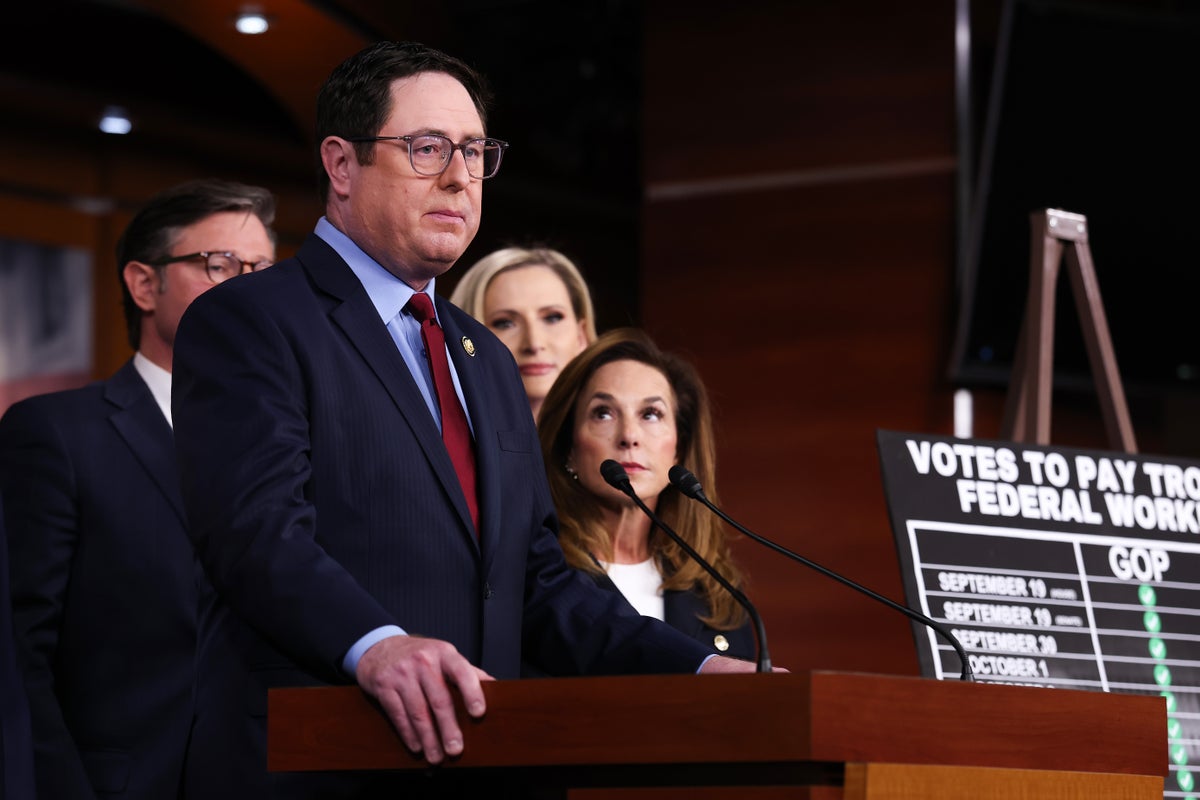
You expect a Republican congressman in a deep-red district to get a warm welcome. That's not what happened to Representative Mike Flood when he walked into his recent town halls in Nebraska. Instead of a victory lap, he stepped straight into a buzzsaw of angry constituents.
The crowd didn't just disagree with him. They booed, heckled, and drowned him out. Recently making news recently: What Everyone Misses About The Energy Crisis Devastating Cuba.
This isn't an isolated incident or a fluke. It's a sign of a growing friction between the GOP's national policy agenda and the reality of voters on the ground. When the promises of Washington start hitting the pockets of everyday people, the political alignment changes fast.
The Nebraska Town Hall Blowup
Mike Flood represents Nebraska's 1st Congressional District. It's a place that generally votes heavily Republican. Yet, when he stood on stage to defend the massive tax and spending megabill championed by Donald Trump, the room erupted. More information regarding the matter are detailed by The Washington Post.
Hundreds of people packed into the auditorium. They weren't interested in the standard talking points. When Flood tried to tout the $4 trillion tax cuts and the accompanying spending reductions, the crowd responded with chants of "Tax the rich!" and "Liar!"
The frustration wasn't just about general economic theory. It was highly specific. The nonpartisan Congressional Budget Office estimated that the legislation would add trillions to the national debt over the next decade, mostly driven by tax breaks benefiting the wealthiest Americans. For a crowd concerned about their own local services, that math didn't sit well.
Where the Policy Hits the Local Reality
The loudest boos came when the discussion turned to actual cuts that affect everyday lives. The Republican agenda includes a historic $1 trillion cut to Medicaid. Flood tried to frame this as protecting the program for the future.
"If you have a vulnerable loved one that's on Medicaid, and they find it's harder to continue their services... that was not what I voted for," Flood told the crowd. He suggested the government might need to make tweaks during implementation.
The audience didn't buy it. To them, voting for a massive spending cut while promising it won't hurt anyone feels contradictory.
People also challenged Flood on the actions of Elon Musk and the Department of Government Efficiency. While the national party praises these aggressive spending audits, local constituents expressed deep worry about proposed cuts to veterans' programs and the federal workforce. Flood resorted to pointing at a giant screen displaying the rising national debt, asking the crowd how they could oppose a balanced budget. The crowd's answer was simple: they don't want the budget balanced on the backs of veterans and local healthcare programs.
Uncomfortable Questions and Local Backlash
The tension didn't stop at the budget. Local town halls give voters a direct line to ask about everything they see on the news, and this crowd didn't hold back.
- The Epstein Files: Attendees pressed Flood on the handling of the Jeffrey Epstein sex-trafficking files. Flood stated he supports releasing the records and subpoenaing Ghislaine Maxwell, trying to find common ground with a suspicious audience.
- Government Firings: Voters demanded answers about the firing of Bureau of Labor Statistics Commissioner Erika McEntarfer following a weak jobs report. Flood claimed ignorance, stating he didn't know the full story behind the firing.
- Accusations of Complicity: One attendee directly challenged Flood over the administration's actions, even using the word "fascist." Flood pushed back sharply, saying, "Fascists don't hold town halls with open question-and-answer series."
What This Means for Future Elections
House Speaker Mike Johnson previously advised Republican lawmakers against holding in-person town halls, claiming that paid progressive activists disrupt them. Flood ignored that advice, insisting that facing constituents is part of the job.
Whether the crowd consisted of organized opposition or genuinely angry independent voters, the reality is the same. Selling massive federal overhauls to the public is getting harder. When a representative wins an election with an overwhelming majority but faces an auditorium full of furious voters a few months later, the old political playbook isn't working.
If you want to keep track of how your own representatives are voting on these major spending bills, you can use the official Congress.gov roll call votes tracker to see exactly where they stand.
Pay attention to your local congressional schedule. Attending a local forum or sending a direct message to your representative's district office forces them to address local impacts rather than hiding behind national talking points.
Nebraska Public Media coverage shows the actual footage and raw audio of the crowd drowning out the congressman during the event. This clip helps you understand the intense level of local anger that local politicians face when trying to defend these national policies back home.