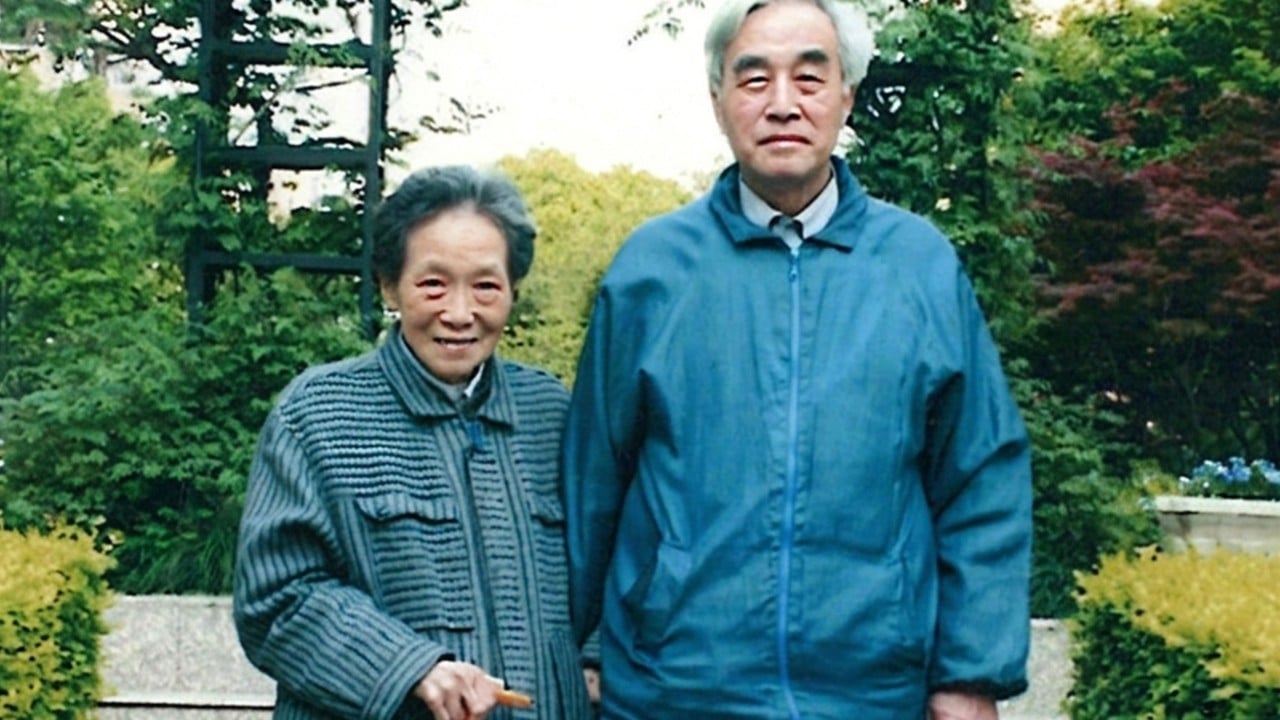
You probably think you know what a wealthy lifestyle looks like. Big houses, luxury cars, fine dining, and endless consumerism. We’re constantly told to chase more, accumulate more, and show off more.
But a retired couple from Shanghai just completely flipped the script on what it means to live a rich life. You might also find this similar article interesting: Why Keeping A Horse Is Becoming Impossible For The British Middle Class.
Du Yingrong and his wife, Lu Suying, lived in a home that visitors described as flat-out shabby. They didn't have kids. They didn't buy fancy clothes. In fact, Du regularly walked down to his local community canteen to buy a single lunchbox costing 17 yuan—about US$2.50—and split it right down the middle so he and his wife could share it.
When they passed away, they didn’t leave behind a legacy of empty luxury. They left behind five million yuan, roughly US$735,000, to fund life-saving surgeries for 455 children suffering from congenital heart disease. As highlighted in detailed coverage by Refinery29, the effects are significant.
This isn't just a feel-good story about charity. It’s a masterclass in extreme intentionality and a brutal critique of modern consumer culture. It makes you realize how much money we waste on things that don't matter, while missing out on the things that do.
The Secret Fortune Behind Shabby Walls
People often assume that those who live in poverty-like conditions do so out of desperation. That wasn't the case here. Du was a retired college teacher and a savvy stock investor. Lu was a retired doctor from the same college. They had steady, respectable incomes and a deep understanding of finance.
They chose to live below their means. Way below.
When workers from the Shanghai Overseas Chinese Foundation stepped into the couple's apartment to sort through their estate, they were stunned. The furniture was dilapidated. Among the clutter, they found a pair of eyeglasses held together by layers of adhesive bandages.
But if you looked closer, you didn't see poverty. You saw a massive, vibrant inner life.
Stacked alongside piles of meticulous notebooks tracking daily expenses were extensive reading notes, hand-curated news clippings, a vintage record player, a violin, and badminton rackets. Du didn’t just track his pennies; he meticulously logged stock market performances in his journals. They weren't depriving themselves of life; they were depriving themselves of waste. They traded material excess for intellectual and spiritual wealth.
How a Poster Changed 455 Lives
The turning point didn't happen in a corporate boardroom. It happened on a sidewalk in 2018.
Du was walking past the Shanghai Yoda Cardiothoracic Hospital when a poster caught his eye. It was a plea for help, explaining the plight of children born with congenital heart disease whose families couldn't afford surgery.
Most people walk past those posters. They feel a momentary pang of guilt and move on. Du didn't. He went home, talked to Lu, and they immediately cut a check for half a million yuan to sponsor ten kids.
They didn't stop there. Soon after, they decided to pledge the rest of their wealth—another 4.5 million yuan.
The charity workers handling the project were so shocked by the contrast between the couple’s massive donation and their broken-down apartment that they actually begged them to keep some money for themselves. They wanted the elderly couple to be comfortable in their final years. But Du and Lu refused.
Without children of their own, they appointed the charity foundation as their legal guardian. Weeks later, in early 2018, Du passed away from cancer at age 81. Lu lived at the Shanghai hospital for several years before passing away last year at age 92. They requested a simple burial at sea. No grand monuments. No ego.
A Lifetime of Quiet Generosity
The US$735,000 donation wasn't an isolated incident or a sudden burst of end-of-life guilt. This couple had been quietly funding relief efforts for decades without asking for a single headline.
- In 2010, they sent 10,000 yuan to the earthquake-stricken Yushu Tibet Autonomous Prefecture.
- That same year, they backed the Water Cellar for Mothers charity to bring clean water to arid regions.
- In 2013, they dropped 80,000 yuan for earthquake relief in Yaan, Sichuan province, plus another 20,000 yuan for local education.
They didn't build a corporate foundation to get tax write-offs. They just saw people hurting and sent money.
The Minimalist Blueprint We Actually Need
Honestly, the financial independence, retire early movement loves to talk about optimization and spreadsheets. But Du and Lu took optimization to a spiritual level. They proved that true financial freedom isn't about how much you can spend; it's about how little you need to be happy.
Think about your own spending habits. We buy subscription services we don't watch, clothes we don't wear, and upgraded tech we don't need. We do it because we think it fills a void.
Du and Lu didn't have a void to fill. They had a violin, their books, their stocks, and each other.
You don't need to start splitting US$2.50 meals tomorrow to learn from this. But you can start looking at your bank account through a different lens. Every dollar, yuan, or euro you don't spend on useless junk is capital that can be deployed for something real.
Take a hard look at your budget this week. Find one recurring expense that adds zero genuine value to your inner life and cut it. Take that money and automate a small monthly donation to a cause where the metrics actually matter—like funding surgeries, building clean water wells, or feeding kids. You don't need a fortune to make an impact, you just need to stop spending it on things that don't matter.