Tragedy struck the world's most critical energy corridor on Sunday morning. At approximately 6:00 a.m. local time on June 28, 2026, a helicopter operated by state oil giant Saudi Aramco plunged from the sky near Ras Tanura.
All 14 people on board died. Every single one of them was a Saudi national.
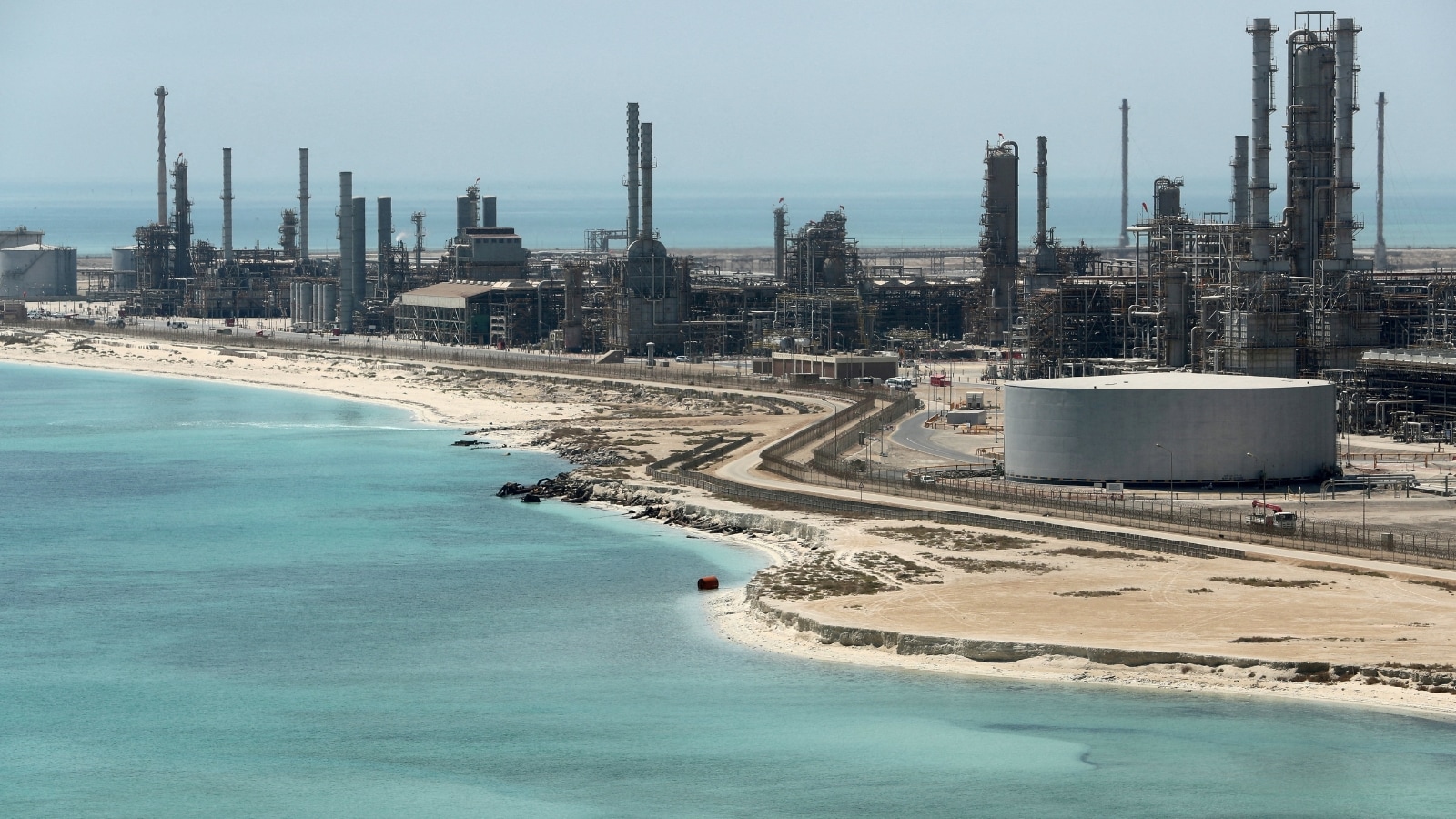
The Saudi Press Agency (SPA) and the Ministry of Energy confirmed the crash quickly, but details remain thin. We know the location: Ras Tanura, sitting on the kingdom's eastern coast, right on the Persian Gulf and just west of the highly strategic Strait of Hormuz. We know the immediate outcome: absolute devastation for 14 families and a massive shock to the world’s largest oil exporter. What we don't know yet is why it happened.
[Image of helicopter over oil rig]
The High Stakes at Ras Tanura
To understand why this isn't just a routine aviation accident, you have to look at the map. Ras Tanura isn't some backwater outpost. It houses one of the Middle East's largest oil refineries, processing roughly 550,000 barrels per day. More importantly, it serves as the ultimate marine export terminal for Saudi crude.
If Saudi Arabia is the heart of the global oil market, Ras Tanura is the main artery.
The timing of this crash makes things incredibly tense. Just two days prior, on Friday, June 26, Aramco had finally resumed crude oil loadings at this exact terminal. Operations had been completely halted for nearly four months due to intense regional disruptions stemming from the recent US-Iran-Israel conflict.
The kingdom was just getting back to business. Middle East producers have been racing to move oil and gas cargoes, trying to ramp up exports ahead of an interim deal aimed at halting the war between the US and Iran. Aramco was firing up its logistics engine, and then, forty-eight hours later, a company chopper goes down.
What Caused the Crash?
Right now, the official line from Riyadh is a blank slate. The Ministry of Energy stated that relevant authorities launched a full investigation alongside Aramco to figure out what went wrong.
Naturally, when a helicopter goes down near the Strait of Hormuz during a period of geopolitical volatility, minds jump to dark conclusions. Was it sabotage? Was it a drone? A cyberattack?
Saudi officials have dropped no hints of a hostile attack. They're treating it as a tragic accident for now, and the market hasn't panicked. But in the oil business, perception is reality. Even if it turns out to be a straightforward mechanical failure or a sudden patch of bad weather, the incident highlights the sheer vulnerability of the personnel who keep these facilities running.
Aramco relies heavily on its fleet of helicopters. They transport engineers, inspectors, and specialized crews between offshore platforms, drilling rigs, and coastal terminals. When you lose 14 trained nationals in a single flight, it’s a massive blow to the operational brain trust on the ground.
The Operational Reality Behind the Headlines
People who follow energy markets from a distance tend to focus entirely on pipelines and supertankers. They forget about the human element. Managing an infrastructure network as massive as Aramco’s requires thousands of high-risk logistical movements every week.
Aviation safety in the oil and gas sector is notoriously strict. Companies like Aramco use advanced flight-tracking, rigorous maintenance schedules, and highly experienced pilots. Yet, flying helicopters over water and industrial zones remains inherently risky.
The investigation will likely focus on three main areas.
- Mechanical Failure: Did a critical component fail during the early morning flight?
- Maintenance Overlooked: Did the hurried push to resume operations after a four-month halt create blind spots in maintenance protocols?
- Environmental Factors: Did early morning visibility issues or coastal winds play a role?
The Ministry of Energy offered deep condolences to the families of the victims. For a country pushing hard on "Saudiization"—the initiative to fill critical technical and engineering roles with domestic talent—losing 14 nationals in one afternoon hurts deeply.
What Happens Next
Don't expect Aramco to halt operations at Ras Tanura. The economic pressure to keep the oil flowing, especially given the market dynamics right now, is too immense. Tankers are lining up, and the world expects Saudi crude to keep moving.
But you can bet that safety protocols across Aramco’s entire aviation wing are getting locked down immediately. Expect a quiet, intense audit of every airframe in their fleet over the coming days.
If you are tracking global energy markets or regional stability, keep your eyes on the official investigation updates from the Saudi Ministry of Energy. Watch how oil prices react if the investigation points to anything other than a mechanical glitch. For now, the focus stays on the families of the 14 crew members and workers who went to work at dawn on a Sunday and never came home.


