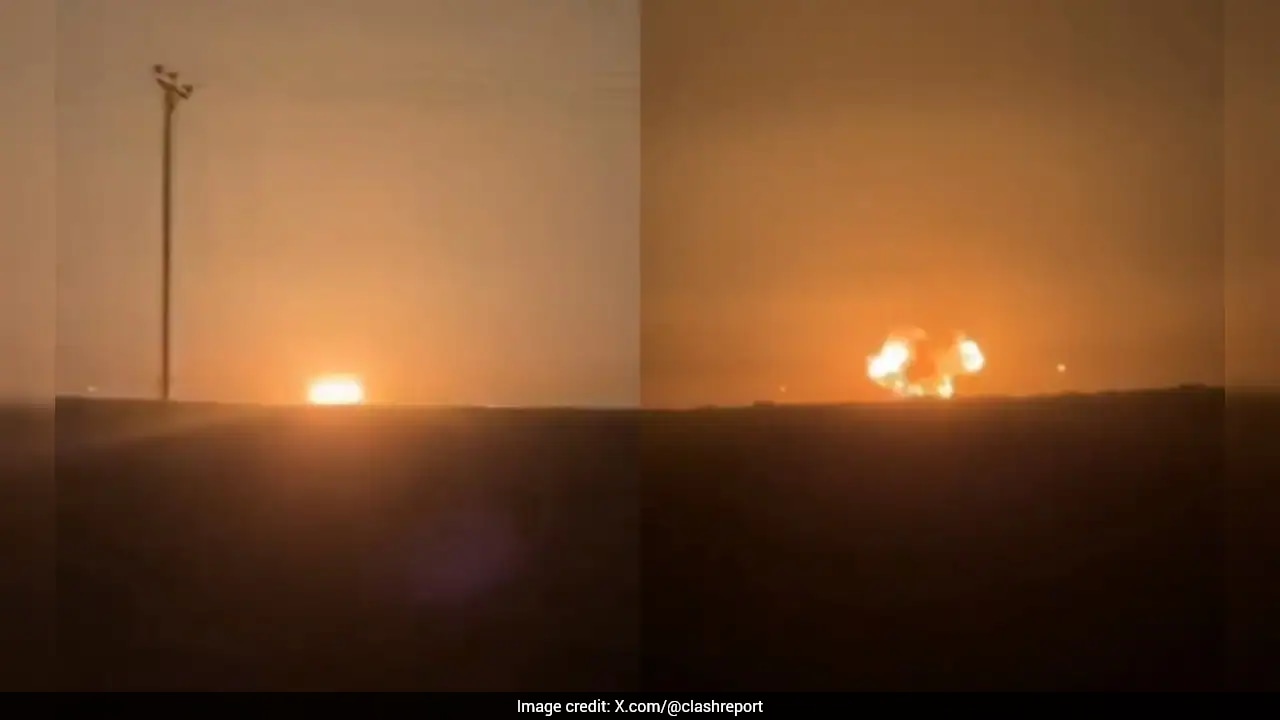
Bringing a massive liquefied natural gas facility back online after months of forced shutdown isn't like flipping a light switch. It's an engineering tightrope where even tiny temperature fluctuations or micro-fractures in metal can trigger catastrophe. We saw the devastating reality of this on Sunday evening when a massive Qatar gas plant explosion tore through the Barzan gas supply facility inside Ras Laffan Industrial City, killing 13 workers and leaving 66 others injured.
Qatar Energy Minister Saad bin Shreida Al-Kaabi quickly confirmed that the dead include Indian and Pakistani nationals. The Indian Embassy in Doha has deployed emergency teams to coordinate with Qatari authorities, setting up active helplines for families frantic for news. In similar news, take a look at: Why Ramiro Valdes Still Matters In 2026.
This wasn't an act of sabotage or military aggression. Al-Kaabi explicitly labeled it a technical industrial accident. But to understand why this happened, you have to look at what this specific facility endured over the past year.
The hidden danger of restarting damaged infrastructure
The Barzan facility handles around 1.4 billion standard cubic feet of gas per day, mostly powering Qatar's domestic electricity grid and desalination plants. It had been completely dark since December 2025 for urgent maintenance, following severe structural shocks earlier in the year. Back in March 2026, the facility caught fire after being struck by an Iranian missile during regional hostilities that temporarily choked off 20 percent of global liquefied natural gas shipments through the Strait of Hormuz. Reuters has also covered this important issue in extensive detail.
Engineers had only started pushing gas back into the system two days before the blast.
Restarting gas processing units requires a slow, calculated thermal cooldown to prevent metal components from shattering under sudden temperature swings. When a facility has already suffered explosive impact damage from wartime strikes, hidden structural weaknesses can fail the moment pressure climbs back to normal operating thresholds.
Immediate fallout and the humanitarian response
Emergency crews managed to bring the resulting fire under control quickly, preventing a wider chain reaction across the broader Ras Laffan complex. While the political and market anxiety jumped instantly—given Qatar's massive role in global energy markets—officials claim domestic power and international export capabilities will hold steady. They have enough stored reserves to mask the disruption while repairs get underway.
The immediate focus has shifted entirely to the human toll. The 66 injured workers include nationals from India, Pakistan, Nepal, Bangladesh, Tanzania, and Kenya. Thankfully, medical officials indicate none of the injured are currently in life-threatening condition.
The Indian Embassy issued a formal statement of solidarity and set up direct emergency communication channels for families seeking status updates on migrant workers in the zone.
Families needing information can reach out directly via the verified embassy channels.
- Emergency Phone Helpline: +974-55647502 or +975-55384683
- Official Consular Email: cons.doha@mea.gov.in
Industrial accidents of this scale usually trigger intense scrutiny into labor safety and operational protocols, especially when foreign migrant labor bears the brunt of the casualties. Expect a lengthy, quiet investigation from QatarEnergy as they try to figure out exactly which valve or pipeline gave way under pressure.