Football dressing rooms don't usually leave space for sentimentality. It's a brutal, high-stakes environment where names are erased from tactics boards the minute a player is sold or injured. But the Portuguese national team is doing something different at the 2026 World Cup. They are carrying an extra name on their roster, a shadow squad member who isn't there to kick a ball but is driving everything they do on the pitch.
July 3 marks exactly one year since the tragic death of Liverpool forward Diogo Jota. At just 28 years old, Jota and his brother, André Silva, lost their lives in a sudden car crash in Cernadilla, Spain. The shockwave hit Anfield instantly, prompting the club to retire his iconic number 20 shirt. But for his international teammates currently fighting through a grueling World Cup campaign in North America, the grief hasn't faded. It has morphed into a collective purpose.
This isn't about cheap public relations or media gestures. The motivation inside the camp is intensely raw. Roberto Martínez and his staff have officially designated Jota as their honorary "27th man" for the tournament, creating a daily, physical presence that the players are using to fuel their pursuit of a first world title.
Inside the Dressing Room Tribute
People wonder how a football team handles this kind of heavy emotional weight during the biggest tournament of their lives. They don't ignore it.
Before the team departed for the United States, Portuguese Prime Minister Luís Montenegro presented every member of the squad with a custom wristband. These aren't flashy accessories. Each band is inscribed with the individual player's name right next to Jota's. Every single player wore them through training camp and continues to wear them under their tape during matches. It's a constant, scratching reminder during every sprint, every tackle, and every tactical huddle.
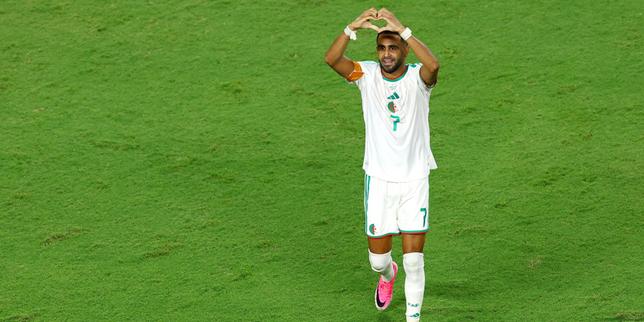
When Portugal scores, you'll see players consistently pointing or raising both hands skyward. It's an explicit nod to Jota, a tradition that started immediately after the accident and has become the team's defining visual identity in 2026.
Close friend and former Porto and Wolves teammate Rúben Neves admitted that the connection remains active. Neves recently stated that he still talks to Jota. The squad hasn't moved on from their friend; they brought him with them to North America.
Why Jota Was More Than a Goalscorer
It's easy for commentators to look at statistics and talk about the goals Portugal missed on the pitch. Jota was clinical, smart, and incredibly versatile. But his impact on this group went far deeper than his output in the final third.
- The Unifying Voice: In a dressing room packed with massive egos and global superstars, Jota was the bridge. He was universally respected by both the older generation and the emerging youth.
- The Tactical Standard: He played with a relentless defensive work ethic that coaches used as a baseline example for the rest of the attacking line.
- The Family Man: Having married his wife just two weeks before the accident, Jota was a grounded figure who brought a sense of stability and perspective to a high-pressure team environment.
When Roberto Martínez refers to Jota as "our light" in team meetings, it isn't an exaggeration. He was the cultural glue of this generation.
Balancing Grief With the Pressure of Ronaldo's Last Dance
The emotional narrative creates a complicated balancing act for Portugal. This tournament is already under an intense global microscope because it represents the sixth and final World Cup for captain Cristiano Ronaldo. At 41 years old, Ronaldo is chasing the one trophy that has eluded him, and the media circus following him across the US, Canada, and Mexico is relentless.
Managing the circus while honoring a fallen teammate takes a unique psychological toll. Ronaldo himself expressed the sheer confusion that still lingers within the team, noting how quickly life changed from sharing a pitch together to grieving a sudden loss.
Instead of letting the twin pressures of Ronaldo's legacy and Jota's memory fracture the camp, the squad has fused them. The internal message is simple: win the tournament to give Ronaldo his perfect exit, and win it so Jota's name is permanently attached to Portugal's greatest sporting achievement.
The Long Road to Healing for the Football Family
Trophies and goal celebrations are meaningful for the fans, but they don't fix the real-world devastation left behind. Jota left behind a widow and three young children. For the family, the public tributes offer a rare form of comfort, proving that the football world doesn't simply turn the page when the next season starts.
Liverpool Football Club showed immense class by committing to pay out the remainder of Jota's contract in full to his family. On the official club website, his profile isn't relegated to a historical archive. He remains listed on the active senior squad under a permanent header: "Forever."
As Portugal progresses through the knockout stages of this World Cup, the physical demands will increase, and the tactical margins will get tighter. But teams driven by a shared, transcendent emotional cause are dangerous opponents. Portugal isn't just playing for a trophy anymore. They're playing for their 27th man, and that makes them a terrifying prospect for anyone standing in their way.
If you want to keep up with how the squad honors Jota through the remainder of the tournament, watch the wristbands during the pre-match anthems and look at the hands pointing to the sky after the next goal. The tribute is happening in real time.