The headlines sound like the plot of a bad disaster movie. A deadly, highly contagious strain of bird flu has officially breached Australia's borders, ending the continent's run as the last safe haven from the virus. Immediately, the panic button was pressed, with government alerts telling pet owners to lock up their cats and tightly leash their dogs.
But let’s take a breath and look at the actual reality on the ground.
If you are currently staring at your dog or cat wondering if a morning walk is a death sentence, you need the full story. The risk isn't equal for every animal, and the way the virus behaves might surprise you. Here is exactly what is happening with the H5N1 strain on the Australian mainland, why your cat is in more danger than your dog, and the practical steps you must take right now.
The Reality of H5N1 on the Mainland
For years, Australia managed to stay isolated from the H5N1 clade 2.3.4.4b strain that has devastated bird and marine mammal populations across Europe, the Americas, and even Antarctica since 2021. That isolation ended in June 2026.
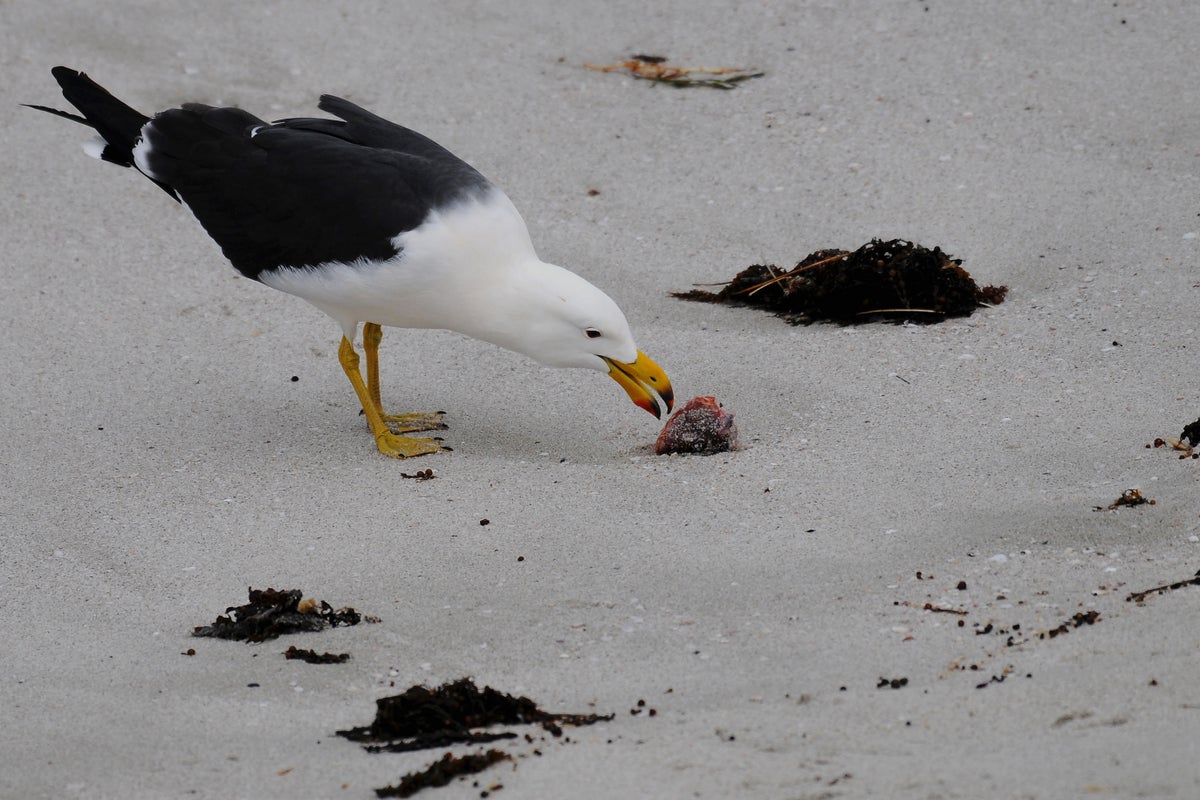
Authorities confirmed four distinct cases in wild migratory birds spanning Western Australia and South Australia. The detections involved wild seabirds, including a brown skua and giant petrels found along the southern coastline.
Australian H5N1 Initial Detection Sites (June 2026):
• Cape Le Grand National Park, WA (Brown Skua)
• Quindalup, WA (Giant Petrel)
• Knights Beach, Port Elliot, SA (Giant Petrel)
• South Coast/Roses Beach near Esperance, WA (Suspected)
Here is the crucial distinction: there are currently zero confirmed cases in commercial poultry, backyard chicken coops, or domestic pets within Australia. The sky isn't falling, but the virus is officially here, carried by migratory birds traveling from sub-Antarctic regions. Because these wild birds rest on beaches, wetlands, and coastal regions, the point of interface between wildlife and your pets has changed dramatically.
Why Cats Face a Different Threat Than Dogs
When federal threatened species commissioner Dr. Fiona Fraser issued a sweeping warning that all mammals are susceptible to H5N1, it lumped dogs and cats into the same risk bucket. Data from global outbreaks tells a very different story.
Your cat is highly vulnerable to this virus; your dog is largely not.
Data published by the American Veterinary Medical Association reveals that domestic cats infected with H5N1 face an alarming mortality rate of 50% to 70%. Cats don't just get a mild respiratory sniffle from bird flu. The virus quickly turns systemic, attacking their central nervous system and organs.
Dogs can catch the virus, but documented cases of severe illness or death in domestic dogs worldwide remain incredibly rare. Dogs seem to have a natural resilience to the strain that felines completely lack.
How do pets actually catch it? They don't breathe it in from the air while walking down a suburban sidewalk. Infection happens through direct, high-load contact.
- Scavenging carcasses: A dog picking up a dead seagull on a beach.
- Active hunting: An outdoor cat catching and eating an infected wild bird.
- Contaminated raw diets: Feeding pets raw poultry or unpasteurized, raw milk sourced from infected livestock (a major driver of cat deaths during the US agricultural outbreaks).
Symptoms to Watch Out For
Because there is no vaccine available for dogs or cats against H5N1, early detection is your only real lever. The challenge is that early symptoms can look like a standard upper respiratory infection or a minor case of lethargy.
If your pet has been near coastal areas, wetlands, or has a habit of escaping outdoors, look for these signs:
Respiratory and Systemic Signs
- Sudden, unexplained fever
- Extreme lethargy and sudden refusal to eat
- Thick discharge from the nose or eyes
- Labored, heavy breathing or persistent coughing
Neurological Red Flags
As the virus progresses, it targets the brain. This is where the disease becomes distinct from standard cat flu or kennel cough:
- Muscle tremors or involuntary twitching
- Loss of balance, head tilting, or walking in circles
- Disorientation and apparent blindness
- Full-blown seizures
If you see these neurological signs and know your pet has interacted with wildlife, do not just walk into a veterinary clinic unannounced. Call ahead. Senior lecturer at the University of Sydney, Dr. Anne Quain, emphasizes that clinics must take strict biosecurity precautions to avoid cross-contaminating other animals in the waiting room.
The Backyard Chicken Problem
If you own a few backyard chooks, your risk profile completely shifts. You are the bridge.
When H5N1 hits a high-density environment like a chicken coop, the mortality rate mimics a literal plague, often approaching 100%. Urban birds—like magpies, crows, pigeons, and pigeons—can interact with wild waterbirds, contract the virus, and drop infected feces directly into your backyard chicken run.
If your cat hangs around your chicken coop, or if your dog likes to sample chicken droppings, the risk of transmission skyrockets. If an outbreak is confirmed in your flock, biosecurity laws mean every single bird in that coop will have to be humanely euthanized to stop the spread.
Practical Steps for Australian Pet Owners
You don't need to panic, but you absolutely must change your daily routines if you live anywhere near the southern or western coastlines of Australia. Vague advice won't keep your animals safe. These concrete adjustments work.
1. Shift the Beach Routine
Stop letting your dog run off-lead on coastal beaches, particularly after heavy storms. Storms wash dead pelicans, petrels, and shearwaters ashore. A curious kelpie or retriever will find a carcass long before you spot it. Keep them on a short leash when walking near the high-tide line.
2. Transition Cats Indoors
If your cat is a roamer, it's time to bring them inside or invest in a fully enclosed outdoor cat run. Dr. Anne Quain points out that outdoor enclosures must have secure netting that prevents wild birds from dropping feces inside the perimeter. If your cat cannot hunt wild birds, their risk drops to near zero.
3. Re-evaluate the Food Bowl
If you are feeding a raw meat diet or raw poultry, pause it or switch to commercial brands that utilize high-temperature processing. Never feed your pets unpasteurized milk. Keep all pet food and water bowls indoors. Leaving a bowl of kibble on the back deck invites wild birds to share the plate, leaving virus-laden saliva and droppings behind.
4. Human Hygiene Matrix
The virus can hitch a ride on you. If you go hiking near wetlands, lakes, or beaches where wild ducks and birds congregate, you might step in contaminated droppings. Before you greet your pets at home, take off your shoes outside, wash your hands thoroughly, and consider changing your clothes if you had any close contact with avian environments.
What to Do If You Find a Dead Bird
Do not touch it. Do not attempt to move it yourself, bury it, or put it in your domestic rubbish bin.
If you encounter multiple dead or visibly sick wild birds, keep your distance, secure your dog immediately, and document the exact GPS location. Call the 24-hour national Emergency Animal Disease Hotline on 1800 675 888.
The arrival of H5N1 on the Australian mainland is a significant ecological shift, but it is manageable. By controlling what your pets eat, where they roam, and how they interact with the changing environment, you can effectively insulate them from the global outbreak now sitting on our shores.