The fragile truce between Washington and Tehran just went up in flames. If you woke up to news of exploding oil prices and air defense sirens blaring across the Persian Gulf, you're looking at the fallout of a massive military escalation. The United States military just dropped precision munitions on more than 80 targets inside Iran.
This wasn't a minor border skirmish or a routine show of force. It was an offensive campaign that was roughly eight times larger than the previous round of American strikes in late June.
The immediate catalyst was a series of brazen attacks on three commercial tankers trying to navigate the Strait of Hormuz. Iran wanted to send a message about who owns the world's most critical maritime chokepoint. The White House answered that message by blowing up air defense networks, coastal radar stations, command centers, and dozens of naval assets.
If you think this is just another regular day of Middle Eastern friction, you're misreading the situation. The entire diplomatic framework established to prevent a full-scale war is now unraveling.
The Real Story Behind the Latest US Strikes on Iran
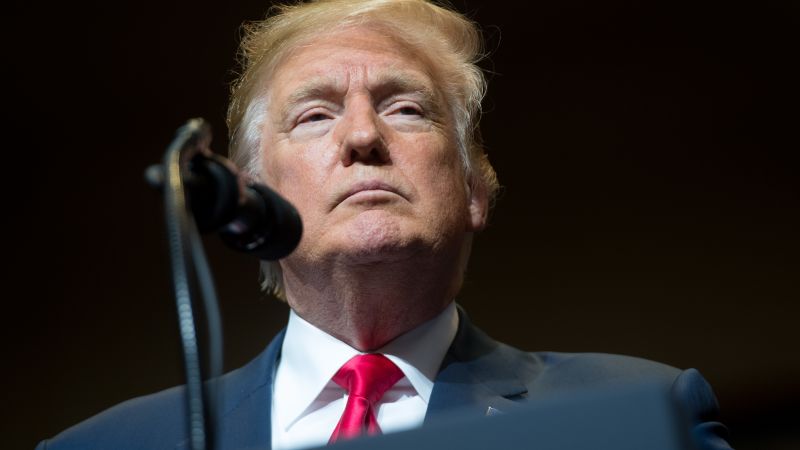
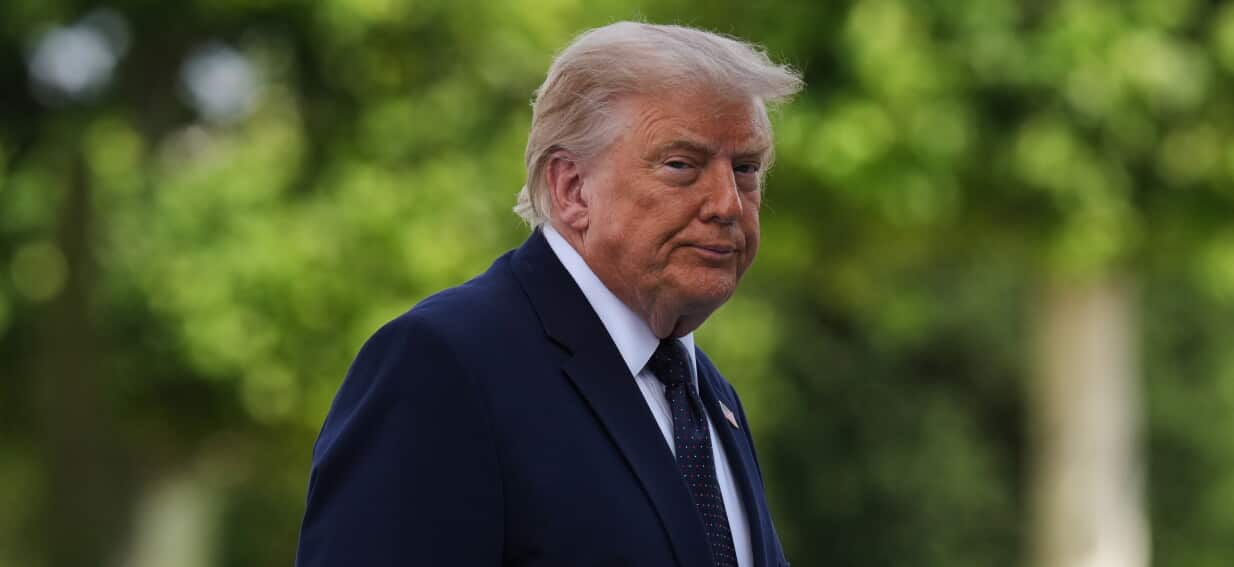
On Tuesday, President Donald Trump approved a sweeping strike plan while attending the NATO summit in Turkey. Within hours, US Central Command launched a wave of attacks across southern Iran. This operation explicitly shifted in tone and execution from prior defensive maneuvers. CENTCOM openly labeled it an offensive operation.
American jets and missiles pounded heavily fortified locations. The damage report is extensive. The strikes hit Iranian surface-to-air missile installations, drone launch sites, and coastal surveillance networks.
The biggest physical blow hit the Islamic Revolutionary Guard Corps maritime forces. The US military destroyed more than 60 IRGC small boats in and around the strait. These fast-attack craft are the primary tools Tehran uses to harass, board, and threaten global trade.
Local reports from inside Iran confirmed massive explosions rocked the strategic island of Qeshm. Six blasts tore through the island. Seven explosions hit the city of Sirik. The vital port city of Bandar Abbas also took heavy hits.
The sheer scale of the operation shows the White House has lost patience with the performance-based ceasefire agreement signed just last month. Washington is drawing a hard line. Tehran chose to test that line, and the response was devastating.
Why the Truce Collapsed So Fast
To understand why the bombs started falling, look at the Islamabad memorandum of understanding. Signed in June, this 14-point interim agreement was supposed to halt hostilities. It opened up a temporary window for indirect talks in Doha. It even allowed Iran a general license to export oil again, giving the country a desperate financial lifeline.
But there was a catch. The deal was entirely performance-based.
US officials made it clear that Iran would only get sanctions relief if it demonstrated good behavior. Tehran saw it differently. They viewed the pause as an opportunity to dictate new terms in the Strait of Hormuz.
The core issue comes down to control and cash. Under the pre-war status quo, international ships moved freely through the strait. After the ceasefire, Iran insisted that those days were over. They tried to establish a new system of tolls and fees for any vessel entering the channel.
When regional neighbors and Western powers refused to play along, the shadow war resumed. Three civilian vessels were hit by drones and unknown projectiles within a 48-hour window. It was the highest number of maritime attacks recorded in a single day since April.
The targeted ships weren't random choices. The attackers struck the Marshall Islands-flagged M/T Al Rekayyat, the Saudi Arabia-flagged M/T Wedyan, and the Liberian-flagged M/T Cyprus Prosperity. At least one tanker suffered a major onboard fire after being struck by an uncrewed aerial vehicle.
Iran never officially claimed responsibility for these hits. However, Iranian state television pointedly noted that at least one of the vessels had ignored direct warnings from their naval forces. The message was obvious. If you don't pay the toll, or if you don't follow our routing rules, your ship gets hit.
The Shipping Route Dispute That Triggered the Bombs
The geography of the Strait of Hormuz explains why this specific flare-up happened. The shipping lanes are incredibly narrow. The channel is bounded by Iran on the north and Oman on the south.
Because of the constant threat of Iranian harassment, Oman proposed an alternative. They suggested a temporary transit corridor that would run safely along the Omani coastline, staying clear of Iranian waters. Britain and France quickly backed the plan. They even offered to assist with mine clearance and international security patrols to keep the route open.
Tehran flipped out. They claimed that only Iran has the legal right to manage and clear mines in the strait under the interim agreement. They publicly warned that any foreign naval presence in the channel would be treated as a direct military provocation.
Security analysts monitoring the region knew a collision was coming. Tankers tried to use the Omani maritime corridor without registering with Iranian authorities. Iran retaliated instantly to show that no alternative route would be tolerated.
By attacking Saudi and Qatari-linked vessels, Iran tried to scare the market and enforce its self-proclaimed blockade. They wanted to prove that they hold the keys to the global economy. Instead, they handed the US a reason to wipe out their coastal defense infrastructure.
Oil Sanctions and the Economic Fallout
The military strikes are only half of the American response. The economic retaliation will likely hurt Tehran much worse in the long run.
Simultaneously with the air campaign, the US Treasury Department revoked General License X. This was the specific waiver that authorized Iran to sell its oil and petrochemicals on the global market. The suspension completely cuts off the revenue stream that Tehran had just regained during the June negotiations. Millions of barrels of crude are now stuck in limbo.
Predictably, global oil prices spiked the moment the news broke. Traders hate uncertainty, and a hot war in the world's most critical energy artery is the ultimate nightmare scenario. Roughly a fifth of the world's total petroleum consumption passes through this narrow body of water every single day.
The diplomatic fallout is spreading just as fast. In Tehran, Parliament Speaker Mohammad Baqer Qalibaf went on social media to blast the US action. He accused Washington of major treaty violations and insisted that the era of bullying was over. He claimed Iran would not fold under pressure.
Meanwhile, America's regional allies are bracing for the worst. Hours after the US strikes concluded, incoming fire alerts lit up the night sky across the western side of the Gulf.
Kuwait announced that its military air defenses were actively confronting hostile missile and drone attacks. In neighboring Bahrain, home to the US Navy's Fifth Fleet, air raid sirens wailed through the night as the government ordered citizens to find immediate shelter. Neither country named the source of the fire, but everyone knows where the drones came from. Iran has used its proxy networks to target these exact bases during every previous escalation.
What Happens Next in the Gulf
The illusion of a peaceful diplomatic exit is gone. President Trump has summarized the current US position clearly, stating that the administration will either reach a strict, enforceable deal or finish the job.
With Iran's coastal radars smashed and its small-boat fleet severely depleted, its ability to launch coordinated conventional naval blockades is damaged. But don't expect them to sit quietly. They still possess massive stockpiles of ballistic missiles, hidden drone manufacturing sites, and asymmetric proxy forces scattered across the region.
If you operate business assets connected to global shipping, supply chains, or energy commodities, you need to prepare for an extended period of high volatility. Here are the immediate realities you must navigate.
First, expect maritime insurance premiums for Gulf transits to skyrocket again. Shipping companies will likely pass these costs down, meaning consumer goods and fuel prices will experience upward pressure in the coming weeks.
Second, the Omani transit corridor is effectively a combat zone for now. Commercial vessels should avoid navigating the strait without explicit military escorts from international coalitions.
Third, monitor the proxy dynamics in Kuwait and Bahrain. If Iranian-aligned drone strikes continue to target these nations, the conflict will widen beyond a US-Iran duel into a broader regional war involving the entire Gulf Cooperation Council.
The diplomacy of the past month failed because it relied on vague promises of good behavior. Now, the cold reality of military leverage is back in charge. The situation will get much more dangerous before it finds a stable floor.