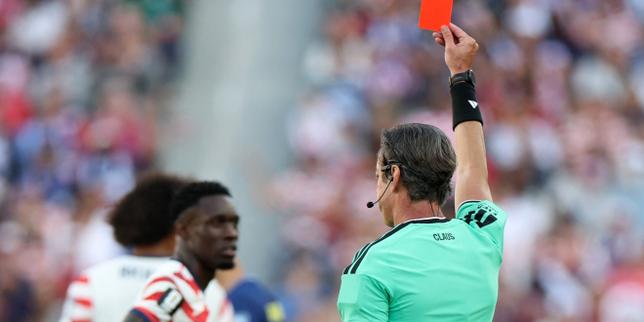
Every four years, the same lazy takes flood your feed. Pundits love calling the World Cup a perfect mirror of global politics. They tell you the pitch is just a miniature map of the world, where deep-seated international conflicts play out with a ball instead of bullets.
It sounds smart. It feels profound. It is also completely wrong.
The World Cup is not a clean reflection of international relations. If anything, it is a funhouse mirror. It bends, warps, and distorts the reality of global power. Relying on a football tournament to understand modern geopolitics is a quick way to get gaslit by sports executives and national PR campaigns. The beautiful game loves to pretend it represents global unity, but the actual machinery behind it tells a totally different story.
Look at what is happening right now during this 2026 tournament across the United States, Canada, and Mexico. We were promised a grand festival of multiculturalism and open borders. Instead, we got a masterclass in bureaucratic gatekeeping.
The Illusion of Global Equality
The biggest lie of the World Cup is that every country stands on equal footing once they cross the white lines. The rules are the same, the pitch is the same size, and the referee is supposedly neutral.
That illusion completely falls apart before teams even board their flights. Global mobility is not equal. The passport you hold determines whether you get to participate in the spectacle or get stuck at a consulate window.
Take a look at the qualifying teams this year. The United States loves to project an image of open-armed cultural leadership. Yet, behind the scenes, the visa system has been weaponized. We saw the Iranian national team spending days stuck in administrative limbo at the U.S. consulate in Turkey. They were only given entry clearances for specific match days, while over a dozen members of their official delegation were denied entry entirely.
It did not stop there. Iraqi star striker Aymen Hussein was held for seven hours of questioning at an airport security checkpoint. Swiss player Breel Embolo had his paperwork delayed. Staff members from the Senegal national team faced intense, humiliating searches that smelled heavily of racial profiling.
If the World Cup were a true mirror of the world, it would show a cooperative global community. Instead, it exposes a rigid mobility regime. Wealthy Western nations move freely while teams and fans from the Global South are treated with immediate suspicion. The tournament does not bypass geopolitical hierarchies. It aggressively enforces them.
FIFA and the Myth of Neutrality
We need to talk about Zurich. FIFA loves to hide behind the classic line that sports and politics should never mix. They treat this idea like a sacred commandment.
It is pure marketing fiction. FIFA is not an innocent bystander in global affairs. It is a massive, self-serving political actor that plays favorites whenever it suits the bottom line.
The governing body claims its decisions are based on universal values. Its actual track record reveals total incoherence. Look at how selectively they hand out punishments. FIFA banned Russia immediately after the 2022 invasion of Ukraine. They did it because the European football community demanded it, making it a low-cost way to signal moral superiority.
But where was that energy in the past? Dictator Saddam Hussein’s Iraq was never banned while qualifying for tournaments. Rwanda was allowed to play during a genocide. The United States faced zero football sanctions after invading Iraq in 2003. Turkey was not disqualified after its actions in Cyprus in 1974.
The message is clear. Geopolitical rules apply unevenly in the eyes of soccer’s elite. If a conflict upsets Western Europe, FIFA acts. If it happens elsewhere, they look the other way and tell everyone to focus on the game.
Gianni Infantino’s behavior makes this even more obvious. The FIFA president floats between global power brokers like a chameleon. He hung out with Vladimir Putin, got incredibly close to Saudi Arabia’s Mohammed bin Salman, and even handed Donald Trump a fabricated "FIFA Peace Prize". That is not neutrality. That is a cynical survival strategy designed to maximize cash flow and political access.
Why Matches Rarely Stop Wars
People who view the tournament as a diplomatic tool love to bring up historical anomalies. They point to the 1998 clash between the United States and Iran in France.
Yes, the players exchanged white roses. Yes, they stood together for a joint group photo that looked beautiful on the front page of every major newspaper.
Did it change the trajectory of U.S.-Iran relations? Not even a little bit. Sanctions remained. The hostility continued.
Sporting events cannot fix broken international relationships because football matches do not address structural issues. A ninety-minute game cannot dismantle nuclear disputes, territorial fights, or decades of deep-seated ideological hatred.
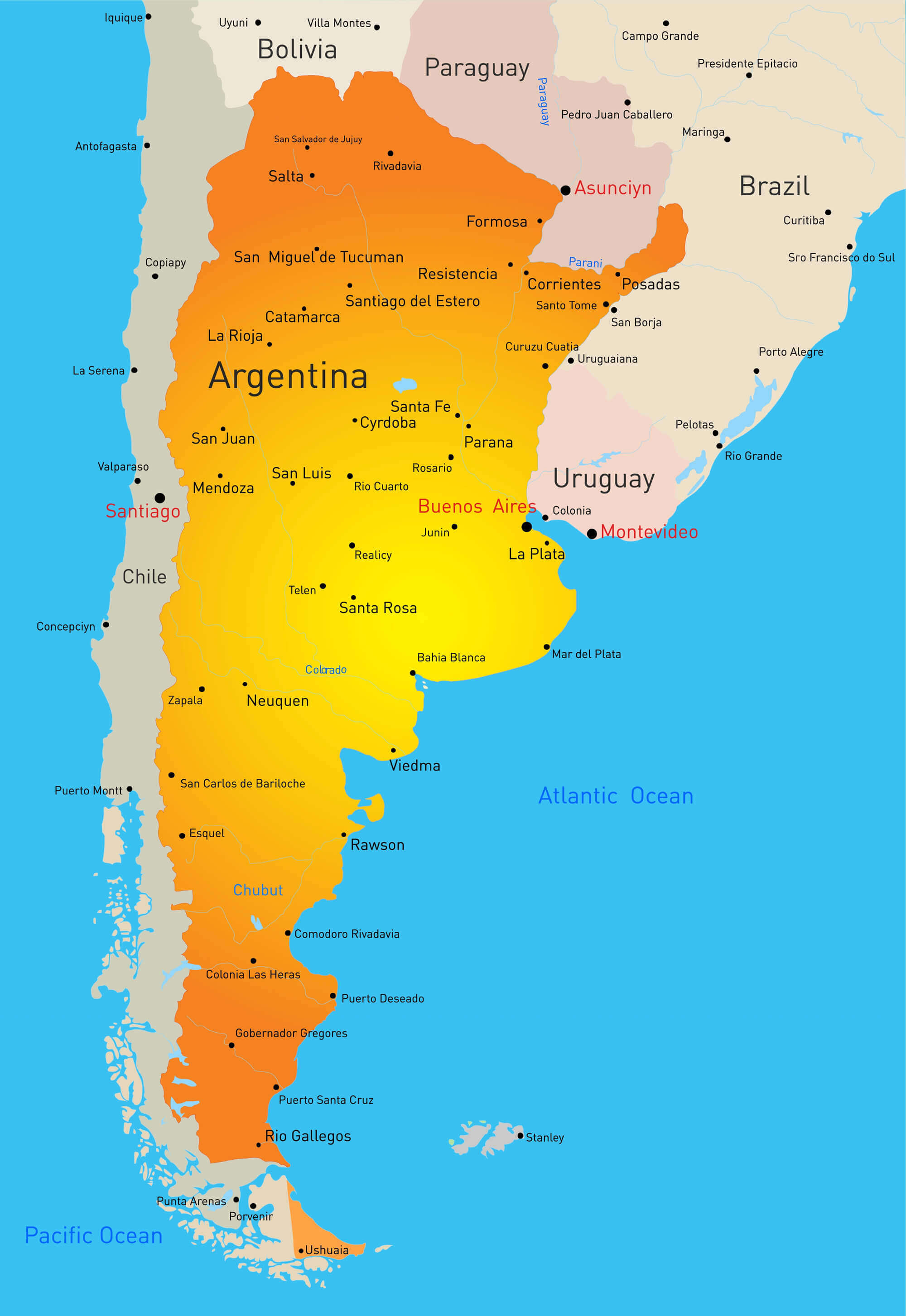
The 1986 match between Argentina and England is another classic example. Diego Maradona’s legendary "Hand of God" goal and his brilliant solo run were framed as revenge for the Falklands War. It made for an incredible narrative. It gave the Argentine public a brief moment of intense catharsis.
But it changed absolutely nothing about the sovereignty of those islands. The geopolitical reality stayed exactly the same as it was before the opening whistle. The pitch is an arena for symbolic theater, not actual diplomacy.
When real diplomatic breakthroughs happen, it is because quiet, hard-nosed negotiations were already happening behind closed doors. The sport is just a convenient backdrop used by politicians to take a victory lap. Without that pre-existing political will, a football match is just twenty-two people chasing a ball while millions of people yell at their television screens.
The Evolution of Inward Sportswashing
For the last decade, the phrase "sportswashing" was exclusively thrown at authoritarian regimes. Everyone criticized Russia in 2018 and Qatar in 2022 for using the tournament to mask human rights abuses and project a polished image of modernity to the West.
The 2026 tournament proves that Western democracies are just as addicted to this tactic. The only difference is the target audience.
Call it inward sportswashing. The United States is not trying to convince the rest of the world that it is a superpower. Everyone already knows that. Instead, the target is its own highly polarized, deeply divided domestic population.
Think about the current state of American society. You have massive political polarization, economic inequality, and constant battles over immigration policy. The World Cup functions as a massive corporate distraction. It offers a temporary, manufactured narrative of national unity. It lets a fragmented country pretend it is unified under one flag for a few weeks.
While fans celebrate in the stands, the stadium workers are striking over unlivable wages. While corporate sponsors talk about inclusion, Immigration and Customs Enforcement agents are heavily deployed around venues, turning stadiums into zones of intense surveillance. The spectacle hides the cracks in the empire. It invites you to get lost in the emotion of the game so you don't look at the structural decay right outside the gates.
Stop Reading Too Much Into the Results
If you want to understand where the world is heading, don't look at the scoreboard. The tournament field is way too small to represent the true state of global affairs.
The data proves it. Analysts at the Center for Strategic and International Studies tracked every single World Cup matchup across history. Even though the tournament expanded from 13 teams to this year's massive 48-team format, the number of actual geopolitical adversary pairs playing against each other has remained completely flat at a tiny 0.3 percent.
The World Cup field rarely reflects actual global conflict because qualification is based entirely on athletic ability, not political relevance. A nation can be a massive geopolitical heavy hitter and still fail to make the tournament because their midfielders cannot pass the ball straight.
When a surprise underdog beats a traditional global superpower, it is a fun sports story. It is a classic David versus Goliath moment. But it means absolutely nothing for the international balance of power. Saudi Arabia beating Argentina in 2022 did not change Middle Eastern economics. An African nation making a deep run does not fix the systemic exploitation of the Global South by international financial systems.
Football is an escape from reality, not a carbon copy of it. The moment we start treating a sporting event as a definitive guide to international relations, we buy directly into the propaganda.
Your Playbook for Watching the Rest of the Tournament
Stop letting commentators feed you romanticized garbage about how football cures global division. If you want to watch the rest of this tournament like a true expert, change your focus entirely.
- Look at the borders, not just the pitch. Pay attention to which fans actually made it into the stadium and which delegations faced massive administrative delays.
- Follow the money. Watch how corporate sponsors and local political figures use the matches to distract from domestic crises, labor disputes, and surveillance policies.
- Keep sports narratives separate from actual power. Enjoy a great goal for what it is—a brilliant display of human athleticism. Just don't confuse a successful counter-attack with a real shift in global diplomacy.
The World Cup is a brilliant, intoxicating spectacle. Enjoy the games. Just don't let the glare from the trophy blind you to how the world actually works.

:max_bytes(150000):strip_icc()/supergirl-2000-e483c223461d429cabdb582afc95b154.jpg)
