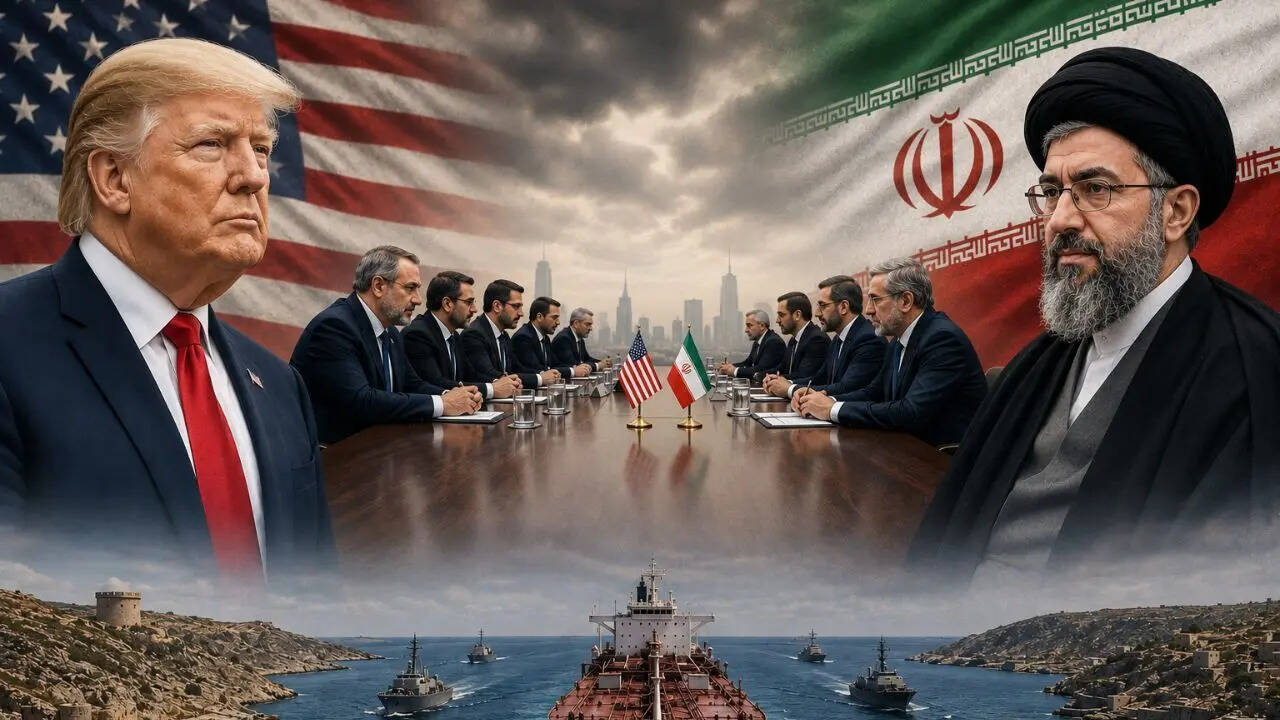
The headlines make it sound like a massive jackpot for Tehran. If you glance at social media or read the early hot takes, you'll see mind-boggling numbers thrown around. People are shouting about a $300 billion payout, another $100 billion in unlocked cash, and immediate oil waivers. Critics claim Washington just handed Iran a blank check. Supporters argue it's a masterpiece of modern diplomacy that averted a catastrophic global energy crisis.
The truth is way more complicated than a basic cash transfer. Recently making waves recently: Why the New G7 Air Defense Promises for Ukraine Actually Matter This Time.
When you strip away the political spin from both capitals, you find a highly structured, performance-based agreement where nobody gets anything for free. Iran isn't getting a multi-billion dollar direct handout from American taxpayers. Washington isn't magically wiping away its core security worries either. Let's break down what's actually on the table in this framework agreement and why the real mechanics look very different from the public theater.
Sorting Fact From Fiction on the Three Hundred Billion Dollar Fund
The biggest point of confusion involves the massive $300 billion figure. A draft memorandum of understanding surfaced ahead of the formal signing at the Bürgenstock resort in Switzerland. Once it leaked, critics immediately slammed it as an unconditional American handout to a long-time adversary. Donald Trump even took to Truth Social to declare reports of a US payout as fake news. Further insights regarding the matter are detailed by Wikipedia.
He's technically right about the funding source, even if his messaging is pure politics. The US government isn't paying Iran.
Instead, this $300 billion mechanism functions as a private investment vehicle. It contains zero US government grants or taxpayer dollars. Think of it as a massive carrot designed to get corporate boardrooms interested in Iranian infrastructure. Companies based in the US, Gulf Arab states, Europe, and Asia have already tentatively committed over $150 billion to this fund. The money focuses strictly on commercial sectors like logistics, transport, manufacturing, and energy infrastructure.
This setup didn't appear out of nowhere. Iranian negotiators originally pushed for $400 billion in direct compensation for war damages following the intense military clashes that flared up earlier this year. Washington flatly refused. The compromise was this private development framework. Regional neighbors like the Gulf states will help provide credit facilities and loan guarantees to minimize corporate risk.
There's a massive catch. This private investment vehicle doesn't go live on day one. It remains completely locked until a final, comprehensive peace agreement is signed and sealed. It gives both sides an immense financial reason to keep talking, but Tehran won't see a dime of this private capital until they satisfy every single security condition.
The Sticky Reality of the One Hundred Billion in Frozen Assets
If the $300 billion fund is a future promise, the $100 billion in frozen assets is where things get immediate and messy. These blocked funds aren't a gift. They're mostly cash payments for legal Iranian oil sales that got trapped in foreign banks back in 2018 when the US pulled out of the previous nuclear accord.
The cash is currently sitting in accounts spread across China, India, and Iraq. Tehran wants its money back, and their economy desperately needs it to fight rampant inflation and shore up a crashing currency.
Iranian officials spun the deal to their domestic audience by claiming billions would drop into their accounts before negotiations even start. US officials from the Treasury and State departments quickly pushed back on that narrative. They confirmed to reporters that the release is strictly a pay-for-performance setup.
The current plan splits the release into distinct, conditional phases over a 60-day window. Iran wants to unblock an initial $24 billion to stabilize its domestic markets. To get it, they have to hit specific, verifiable milestones on the ground. If they drag their feet on inspectors or violate the ceasefire, the faucet shuts off instantly.
Oil Waivers Take Effect Immediately
While the big investment funds and frozen accounts require time and compliance, the energy markets get relief right away. The US Treasury Department is issuing immediate waivers for the export of Iranian crude oil, petrochemical products, and related derivatives.
Why the rush? The maritime conflict earlier this year shut down key shipping lanes, sent global oil prices skyrocketing, and threatened to plunge Western economies into a severe recession. Both sides needed a quick win to calm global markets.
Alongside the oil waivers, the US is lifting its naval blockade. In return, Iran is cooperating to restore commercial shipping traffic through the critical Strait of Hormuz back to normal levels within 30 days. This immediate economic relief acts as the baseline trust-builder for the rest of the talks.
The Massive Issues Left Unresolved
Don't let the big economic numbers fool you into thinking this is a finished peace deal. The draft memorandum is a framework to start formal negotiations, not a final treaty. It leaves some of the most dangerous points completely untouched.
- The Nuclear Stockpile: The leaked draft doesn't resolve what happens to Iran's current inventory of highly enriched uranium. It simply notes that the nuclear issue must be adequately addressed during the upcoming 60 days of talks.
- The Regional Proxies: There are no concrete restrictions yet regarding regional militia networks or ballistic missile development.
- The Long-Term Sanctions Timeline: While the US committed to a phased removal of older UN Security Council and IAEA resolutions, there's no fixed calendar for when major American secondary sanctions disappear.
This lack of detail is why critics on both sides are furious. Hardliners in Tehran feel the government gave up regional leverage for a collection of economic promises. In Washington, lawmakers from both parties worry that initial sanctions relief reduces American leverage before securing permanent nuclear limits.
What Happens Next
The clock starts ticking the moment the framework is signed in Switzerland. If you're tracking the geopolitical or economic impacts of this deal, look past the political theater and watch these specific indicators over the next few weeks.
- Monitor the Shipping Volumes: Watch the daily tanker counts through the Strait of Hormuz. If commercial traffic doesn't rebound to pre-war numbers within the 30-day target, the framework will likely stall.
- Track the Initial Asset Releases: Keep an eye on the technical verification from the IAEA and the US Treasury. The release of that first phase of frozen funds will prove whether the pay-for-performance model actually works.
- Watch the Enrichment Levels: The true test of this agreement isn't the oil waivers. It's whether Iran halts or reverses its uranium enrichment while negotiations proceed. Any sudden jump in enrichment will kill the deal on the spot.

 (1)-1725271686977.jpg)