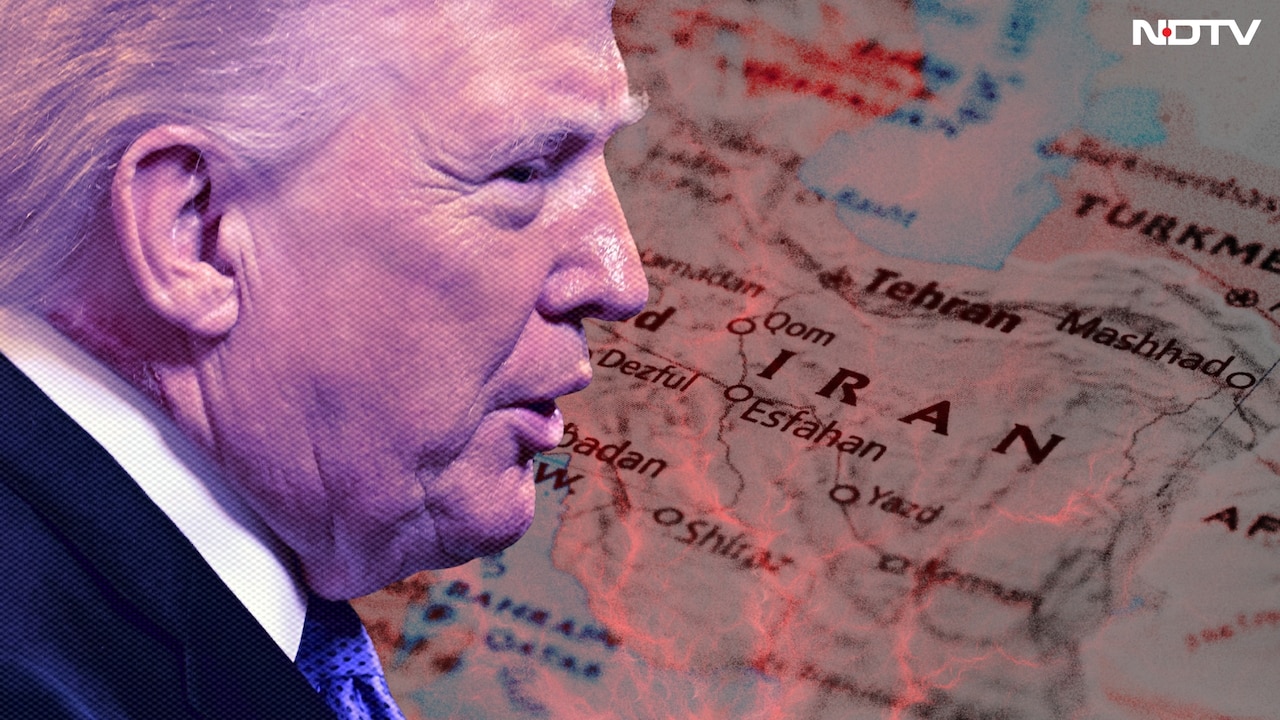
Donald Trump just declared victory over Iran, but the reality on the ground tells a completely different story.
Following a high-profile dinner with French President Emmanuel Macron at the Palace of Versailles after the G7 summit, Trump announced that a peace Memorandum of Understanding (MoU) had been signed with Iranian President Masoud Pezeshkian. Almost immediately, Trump took to Truth Social to claim absolute triumph, boastfully stating that Iran is "finished" and no longer possesses an army, an air force, or a navy.
He told his followers that the Islamic Republic gets no money and has been completely neutralized by American might. Simultaneously, Trump authorized the lifting of the United States naval blockade and ordered the toll-free reopening of the strategic Strait of Hormuz, declaring to the world's shipping fleets to "start your engines."
But if you look past the characteristically bombastic rhetoric, you'll find a highly volatile interim agreement that looks less like an unconditional surrender and more like a high-stakes geopolitical gamble.
The War That Preceded the Versailles Dinner
To understand how we got here, we have to look at the short but devastating conflict that pushed both nations to the brink. The war erupted on February 28, 2026, when coordinated US and Israeli airstrikes pounded military installations inside Iran. The goal was simple: cripple Iran's nuclear infrastructure and force Tehran to abandon its atomic ambitions.
The ensuing weeks saw the Middle East descend into chaotic escalation. Trump ordered a strict naval blockade of the Strait of Hormuz, effectively choking off Iranian oil exports and threatening the global energy supply. Tensions peaked when the US Navy deployed guided-missile destroyers like the USS Frank E. Petersen Jr. and USS Michael Murphy into the volatile waterway, braving Iranian sea mines and tense naval standoffs.
By June, the economic pressure on both sides was mounting. Iran was starved for revenue, and the global economy was flirting with a deep recession due to soaring oil prices and shipping disruptions. Trump needed a way out that looked dominant, and Tehran needed economic oxygen.
Why This Agreement Is Not a Surrender
Despite Trump's insistence that Iran has been stripped of its military capabilities, regional analysts and former administration officials are waving red flags. John Bolton, Trump's former national security advisor, openly broke ranks to call the interim agreement a "political disaster," bluntly stating that Trump "blinked" under pressure.
The signed agreement establishes a 60-day ceasefire window during which the actual terms of a permanent deal must be negotiated. Iran has explicitly stated that it is entering these talks with deep mistrust toward Washington. Furthermore, Iranian top negotiator Mohammad Bagher Ghalibaf warned that Tehran's red lines remain firmly in place and that any breach of the interim terms by the US or Israel will be met with a severe military response.
The structural realities of this agreement contrast sharply with Trump's claims:
- The Nuclear Program Remains Intact: Unlike Barack Obama's 2015 JCPOA, which established strict, verifiable caps on uranium enrichment, this interim deal relies on a broad written commitment from Iran not to pursue nuclear weapons. It lacks the immediate, intrusive verification protocols needed to ensure compliance.
- Leverage Is Slipping: By immediately lifting the naval blockade and reopening the Strait of Hormuz, the US has surrendered its primary economic leverage before securing permanent nuclear concessions. As Iranian oil starts flowing again, Tehran's desperation diminishes, strengthening its hand in the upcoming 60-day negotiations.
- Maritime Friction Continues: Even with the peace MoU signed, the Iranian maritime authority threw a wrench into the celebration by demanding that all international vessels submit transit requests 48 hours before crossing the Strait of Hormuz.
The Domestic Backlash and Global Realities
Trump's political gamble has triggered a civil war within his own party. Capitol Hill is currently buzzing with anger as hardline Republicans blast the agreement as a massive blunder. They argue that the administration gave up a winning hand just as the blockade was beginning to break the Iranian regime's resolve.
Meanwhile, political satirists and late-night hosts like Jimmy Kimmel have had a field day with the administration's sudden pivot, mocking the idea that a nation can lose its entire military over a single dinner in France.
The administration's rush to finalize the deal appears to have been driven by domestic ratings pressure and the looming threat of global inflation. The White House desperately needed to get oil moving to stabilize fuel prices, but the long-term strategic cost of this quick fix could be massive. While the immediate threat of a wider regional war has receded, Israel remains deeply uneasy, and the ceasefire in Lebanon remains fragile.
The next 60 days will determine whether this agreement is a genuine step toward peace or a dangerous interlude before an even larger conflict. If Washington cannot secure ironclad, verifiable restrictions on Tehran's nuclear program before the ceasefire expires, Trump's Versailles triumph will be remembered as a short-sighted retreat.
For international shipping companies and energy markets, the immediate directive is clear. Begin routing vessels back through the Strait of Hormuz to take advantage of the lifted blockade, but maintain high-security protocols and prepare for bureaucratic friction from Iranian maritime authorities. Keep lines of communication open with regional maritime security centers to pivot instantly if the 60-day negotiation window falls apart.

,webp/024/987/765/v2/2560x1440.209.webp)