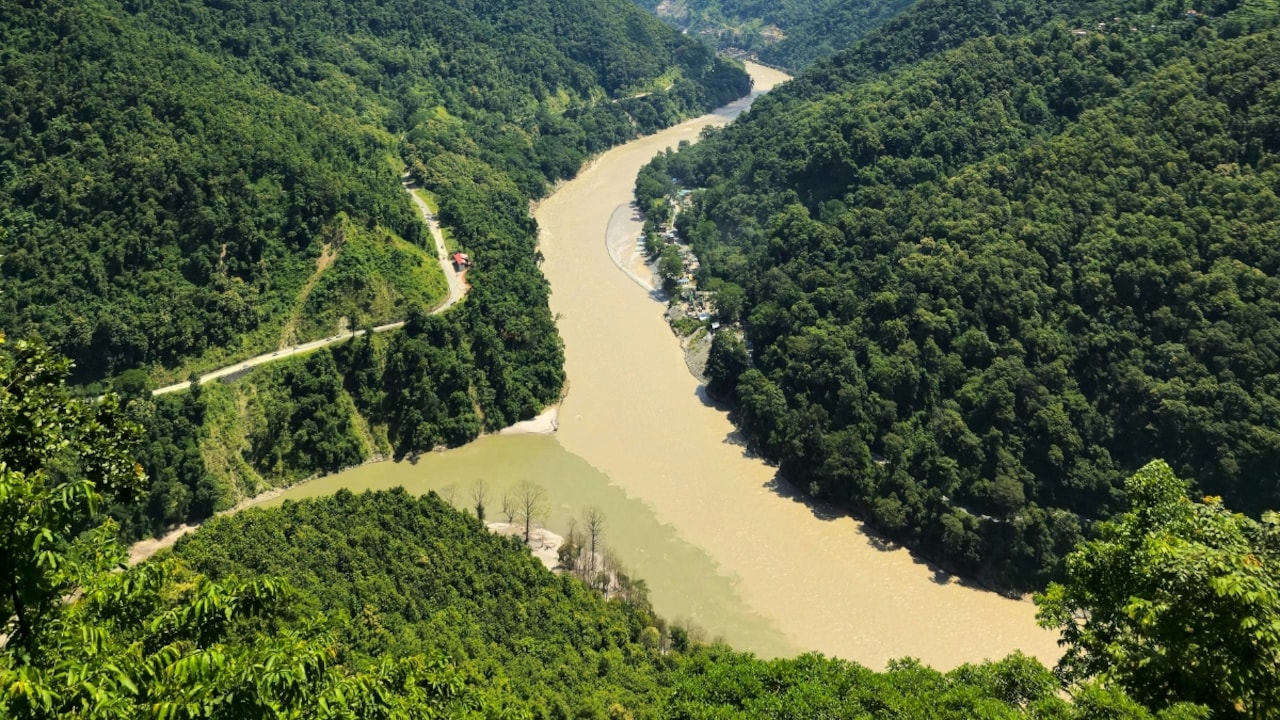
Bangladesh is moving ahead with its massive Teesta River development plan, and the diplomatic ripples are hitting hard. For years, the water sharing issue between India and Bangladesh over the Teesta River has been stuck in political gridlock. Now, Dhaka is taking matters into its own hands.
With the new administration under Prime Minister Tarique Rahman, the country is shifting its approach. Information and Broadcasting Adviser Dr. Zahed Ur Rahman recently made it clear that Bangladesh will build the Teesta Mega Project regardless of external anxieties. He explicitly noted that no other country should be worried about it. If you liked this article, you should check out: this related article.
That statement is aimed straight at New Delhi. India has long watched China's involvement in Bangladesh's infrastructure projects with a nervous eye. Because the Teesta River flows right near the Siliguri Corridor—the narrow strip of land connecting India to its northeastern states—any Chinese engineering presence there raises immediate security flags for Indian defense analysts.
Dhaka views the situation through a purely humanitarian and economic lens. The northern region of Bangladesh faces a brutal cycle every year. The area experiences massive flooding and devastating riverbank erosion during the monsoon, followed by severe, bone-dry water shortages during the winter months. For the people living along the river basin, this is not a geopolitical chess match. It is a matter of survival. For another angle on this event, refer to the recent coverage from Al Jazeera.
Why Dhaka Is No Longer Waiting For Water Sharing Deals
The foundational mistake outsiders make when looking at this issue is assuming Bangladesh is building this project to spite India or cut off diplomatic channels. It is actually the exact opposite. Dhaka waited decades for a formal water-sharing treaty. A deal was nearly signed back in 2011, but internal Indian politics, specifically objections from West Bengal Chief Minister Mamata Banerjee, blew it up at the last minute.
Since then, the river has kept drying up in the winter, leaving farmers in northern districts like Rangpur and Lalmonirhat stranded. The current government has decided that waiting indefinitely for a treaty that might never happen is a luxury they do not have.
Dr. Zahed Ur Rahman emphasized that building this downstream management project does not mean Bangladesh is giving up on its rightful share of transboundary river water. Diplomatic efforts to secure water from the Teesta, the Ganges, and the 53 other shared rivers will continue. But downstream river management has to happen now.
Inside the Structural Re-engineering of the Teesta Mega Project
The plan being discussed today is not the exact same blueprint that floated around a few years ago. The government recently restructured the entire initiative to fix a major design flaw.
The original version of the Teesta River Comprehensive Management and Restoration Project focused almost entirely on narrowing the river channel, dredging the riverbed, and constructing massive embankments. The main goals were flood control and erosion prevention. While those are necessary, they did not solve the winter drought problem.
The revised plan changes that focus. The Prime Minister questioned why the Teesta project lacked a water storage mechanism similar to the Padma Barrage, which successfully holds monsoon water for dry-season use. The current design now incorporates massive water conservation reservoirs and utilization networks.
- The river channel will be confined to a stable width of roughly 800 meters.
- Deep dredging will restore the river's carrying capacity to prevent seasonal overflows.
- New water storage facilities will catch heavy monsoon rains so farmers have irrigation water during dry months.
The Elephant in the Room Is Chinese Engineering
You cannot talk about the Teesta Project without talking about Beijing. China has the technical expertise for large-scale river training and the capital required to fund it. The current administration has signaled that they are ready to move fast with Chinese backing.
This reality makes Indian security circles highly uncomfortable. The Teesta basin sits dangerously close to the Chicken's Neck, India's most sensitive strategic chokepoint. Having Chinese state-owned companies operating major infrastructure so close to this boundary line makes New Delhi uneasy.
Dhaka's response to these fears is direct. Dr. Zahed Ur Rahman stated that while Bangladesh is mindful of regional security, national interest will not be compromised. If India has security concerns, Bangladesh will look at them, but it will not let those concerns paralyze domestic development.
The previous administration tried to balance multiple foreign powers by delaying decisions, often at the expense of its own citizens. The current leadership is abandoning that hesitation. They are signaling that sovereign nations do not let neighbors veto their domestic infrastructure.
The Human Cost Driving This Decision
To understand why this project is moving forward despite the regional noise, look at the agricultural realities of northern Bangladesh. When the Teesta dries up in January and February, the local economy takes a massive hit.
Groundwater levels drop significantly because there is no surface water to recharge the aquifers. Farmers are forced to spend huge sums on diesel-powered irrigation pumps just to keep their Boro rice crops alive. This expense eats into their tiny profit margins.
During the monsoon, the opposite crisis occurs. Unchecked waters break through weak earthen banks, washing away entire villages and destroying thousands of acres of farmland. The economic damage runs into millions of dollars every year.
Dredging the river and stabilizing its banks will stop the land from dissolving into the water. Storing that excess monsoon water will eliminate the need for expensive groundwater pumping in the winter. It is a logical, necessary solution to a repeating humanitarian crisis.
How This Impacts Regional Diplomacy Moving Forward
This bold stance changes the dynamic between Dhaka and New Delhi. For years, the assumption was that Bangladesh would never greenlight a Chinese-backed project so close to the Indian border out of respect for New Delhi's sensitivities. That assumption is officially dead.
This move forces India to reconsider its strategy. If India wants to limit Chinese influence in its immediate neighborhood, it can no longer rely on diplomatic pressure alone to stall projects. It has to deliver real alternatives. New Delhi did express interest in financing the Teesta project themselves, but Dhaka is moving ahead with the partner that offers the fastest timeline and the most established track record in river engineering.
This is a lesson in modern South Asian geopolitics. Smaller nations are increasingly willing to leverage competing regional powers to get what they need. Bangladesh is not picking a side in a geopolitical cold war. It is picking the side of its own economic development.
Your Next Steps to Track This Developing Situation
If you are tracking international relations or South Asian trade, this project is a critical bellwether. Watch the following key points over the next few months.
Look out for formal contract signings between the Bangladesh Ministry of Water Resources and Chinese engineering firms. The speed of these signings will show how quickly the project will break ground.
Monitor official reactions from the Indian Ministry of External Affairs. Watch whether they counter with alternative infrastructure offers or adjust border security postures.
Keep an eye on the upcoming Joint Rivers Commission meetings. These sessions will reveal whether diplomatic water sharing talks can truly stay separate from the downstream construction work.