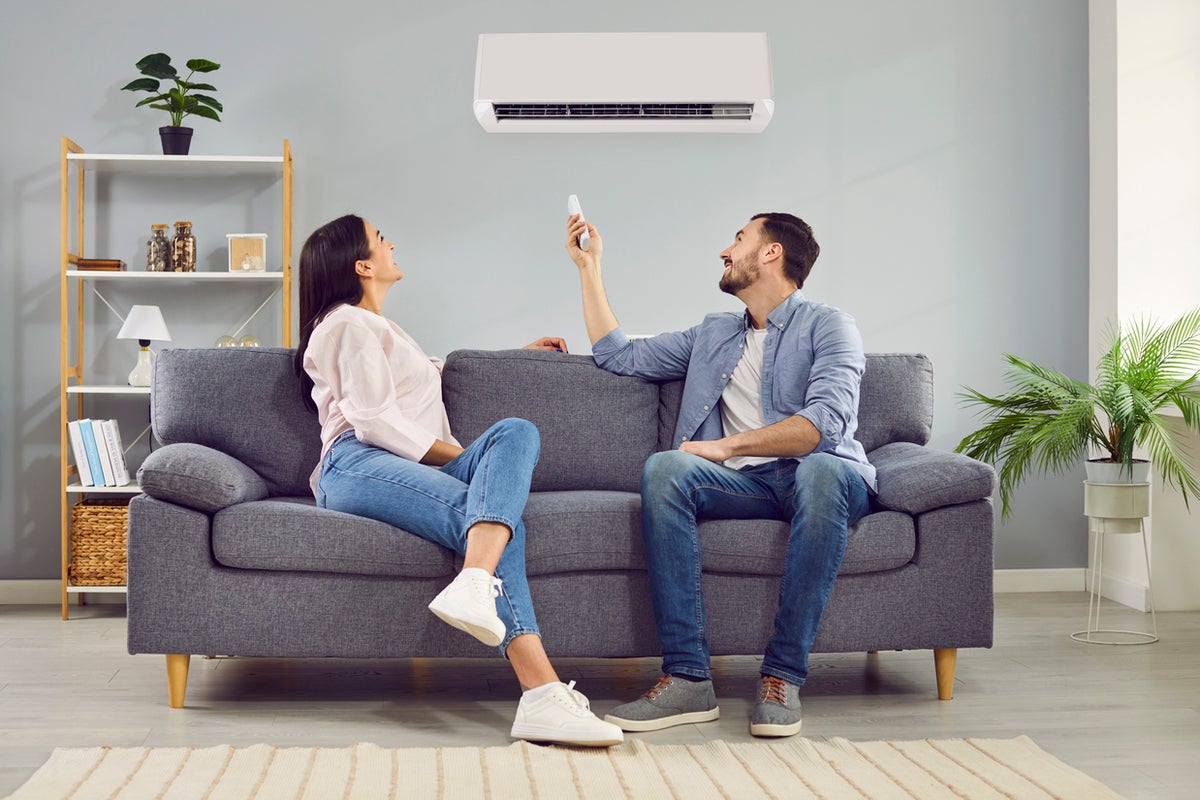
Every summer, homeowners face the same annoying dilemma. Is it cheaper to keep your air conditioning turned on all day, or should you turn it off when you walk out the door? Everyone has an opinion. Your neighbor swears that running it continuously prevents the system from working overtime later. Your dad insists that leaving it on when nobody is home is throwing money out the window. Most of what you hear online is flat-out wrong because it ignores how modern cooling systems actually process heat, humidity, and power surges.
If you want the immediate answer, here it is. Turning your system completely off when you leave for a full eight-hour workday saves more raw energy than keeping your home at a frosty 72 degrees Fahrenheit all day. The US Department of Energy backs this up, showing you can save up to 10 percent a year by adjusting your thermostat when you leave. But running a home isn't a simple math problem on a spreadsheet.
If you live in a humid climate like Florida, turning your system completely off for nine hours can destroy your indoor air quality and create a breeding ground for mold. If you have an older, single-stage unit, blasting it from a dead stop forces it to run at peak incapacity during the hottest part of the afternoon, stressing old components. The real trick isn't a simple binary choice between on and off. The smartest approach relies on a strategy called the thermostat setback.
The Physical Reality of Heat Flow
To understand why a total shutdown saves energy on paper, you have to understand how heat enters a house. Heat is aggressive. It always moves from a warmer area to a cooler area. When your home is cooled to 72 degrees and it is 95 degrees outside, the temperature difference is huge. This massive gap causes heat to rush through your walls, windows, and roof at an accelerated rate. Your system has to run constantly just to fight off this incoming thermal invasion.
When you turn the system off, the inside of your house warms up. As the indoor temperature climbs closer to the outdoor temperature, the rate of heat entering the building slows down significantly. Homes have a natural limit to how much heat they can absorb. By letting the house get warm, you actually reduce the total amount of heat that enters the structure over the course of the day.
Gregor Henze, an environmental engineering professor at the University of Colorado Boulder, pointed out that the structure of your home changes this dynamic. Buildings constructed with heavy materials like brick or concrete hold onto cool temperatures much longer than light wood-frame houses. If you live in an older, drafty house with poor insulation, the temperature inside spikes almost immediately after you turn the system off. In those specific properties, adjusting your thermostat settings even for short trips makes financial sense because the heat infiltration happens so quickly.
The High Cost of the Startup Surge
While letting your house warm up limits heat entry, restarting a dormant system introduces a different set of problems. Central cooling units are heavy pieces of machinery. They don't operate like a simple light bulb. Every time an air conditioner cycles on, the compressor requires a massive initial surge of electrical current to start moving. This startup draw consumes a huge amount of power compared to the steady wattage needed to keep the system running smoothly once it is already spinning.
If you turn your system off completely before work, you avoid all operational energy use for eight hours. That sounds great. When you get home at 5 PM, your house is a sweltering 88 degrees. You immediately crank the thermostat down to 72 degrees. Now your system has to run at maximum capacity for an extended, unbroken stretch during the hottest part of the late afternoon.
Patrick Phelan, a mechanical engineering professor at Arizona State University, noted that air conditioning systems can take anywhere from 15 to 30 minutes after startup to reach their peak operational efficiency. When you force a system to recover from an extreme temperature spike, it spends a long time running in its least efficient state. This sustained heavy load puts intense mechanical strain on the compressor and the capacitors, which act like temporary batteries supplying the startup jolt. Over time, this daily punishment causes these expensive parts to fail early, turning your expected utility savings into a massive repair bill.
Why Thermal Mass and Humidity Ruin a Total Shutdown
Air doesn't hold much heat. Solid objects do. When your air conditioner is off all day, the heat doesn't just warm up the air inside your living room. It seeps deep into your drywall, your hardwood floors, your heavy couch, and your kitchen counters. This is called thermal mass.
When you come home and turn the air conditioning back on, the system might cool the air down relatively quickly. But those solid objects act like giant radiators, continuously pumping stored heat back into the air for hours. Your system has to run much longer to pull the heat out of your furniture than it does to cool down the empty space.
Humidity complicates the situation further. An air conditioner is fundamentally a dehumidifier. It removes moisture from the air by condensing it on cold coils. In a humid region, turning the system off allows wet, heavy air to saturate your home.
Elizabeth Hewitt, an urban planning professor and expert at Stony Brook University, explained that leaving the system completely off for extended periods in damp climates can cause serious indoor moisture issues. Damp air feels significantly hotter than dry air at the same temperature. When you return home, your system has to expend massive amounts of energy just to condense the ambient moisture out of the air before it can even begin to drop the actual temperature. That sustained moisture also triggers mold growth on drywall and behind baseboards, creating a costly health hazard.
How Inverter Systems Shift the Whole Argument
The older advice about air conditioning was built around traditional single-stage systems. These units have two modes: 100 percent power or completely off. They operate like a lawnmower engine. They scream along at full blast until the thermostat is satisfied, and then they shut off entirely. If you have one of these systems, the constant cycling is what drains your wallet and wears out the machinery.
Modern variable-speed systems, often called inverter systems, work completely differently. An inverter compressor can scale its output up or down smoothly anywhere from 10 percent to 100 percent capacity. It acts more like a cruise control system on a car.
If you leave an inverter system running while you're away, it won't blast cold air. It will drop down to a low, highly efficient 15 percent output, gently ticking over just enough to keep the humidity under control and prevent the thermal mass of your furniture from absorbing heat. For these modern systems, leaving them on at a modified setting is almost always more efficient than shutting them down completely. They are engineered to run for long, low-power cycles rather than short, high-power bursts.
The Real Dollar Savings of a Thermostat Setback
The absolute best way to handle this problem is to stop thinking of it as a strict choice between running full blast or shutting down completely. The sweet spot is the thermostat setback method. Instead of turning the unit off, you simply raise the temperature by 7 to 10 degrees Fahrenheit when you leave the house for more than four hours.
If you normally keep your home at 74 degrees while you are watching TV, push it up to 81 or 82 degrees before you leave for work. At that temperature, the system will barely run during the morning. It will only kick on occasionally during the peak heat of the afternoon to prevent the indoor temperature from completely spiraling out of control. It keeps the humidity low and stops your furniture from turning into giant heat rocks.
Data shows that adjusting the thermostat by just 1 degree Fahrenheit results in a 3 percent savings on your cooling costs. By implementing an 8-degree setback for the hours you are at the office, you cut your cooling consumption dramatically without sacrificing comfort when you return. A smart thermostat handles this progression automatically, beginning the cooling cycle 30 minutes before you walk through the door so the house is comfortable the moment you arrive.
Actionable Steps to Keep Your Bills Down Without Freezing
Instead of constantly toggling your system on and off manually, implement these baseline adjustments to protect your equipment and lower your monthly bills immediately.
First, set your home baseline to 78 degrees Fahrenheit when you are active at home. This is the temperature recommended by energy efficiency organizations for optimal cost management. If that feels too warm initially, use a ceiling fan to create a wind-chill effect. Moving air makes a room feel roughly 4 degrees cooler than it actually is by speeding up evaporation on your skin. Just remember to turn the fan off when you leave the room since fans cool people, not empty spaces.
Second, block the thermal energy before it ever crosses your threshold. Keep your blinds and heavy curtains fully closed on the south and west sides of your house during the day. Solar radiation passing through glass accounts for a massive percentage of indoor heat gain. Blocking that sunlight can drop your ambient indoor temperature by several degrees without requiring a single watt of electricity from your HVAC unit.
Third, maintain strong airflow by checking your air filters every thirty days. A dirty, dust-clogged filter chokes your system, forcing the blower motor to work harder and draw more electricity to move the exact same volume of air. Keeping the airflow unrestricted ensures your system completes its cooling cycles as quickly and efficiently as possible.
Shift your high-heat chores to the early morning or late evening. Running your dishwasher, clothes dryer, or oven in the middle of a 95-degree afternoon dumps extra heat and humidity directly into your living space. Your air conditioner then has to battle both the outdoor climate and your kitchen appliances at the same time. Wash your clothes at night to keep the internal load low and take advantage of off-peak electricity rates if your utility company charges less for evening usage.