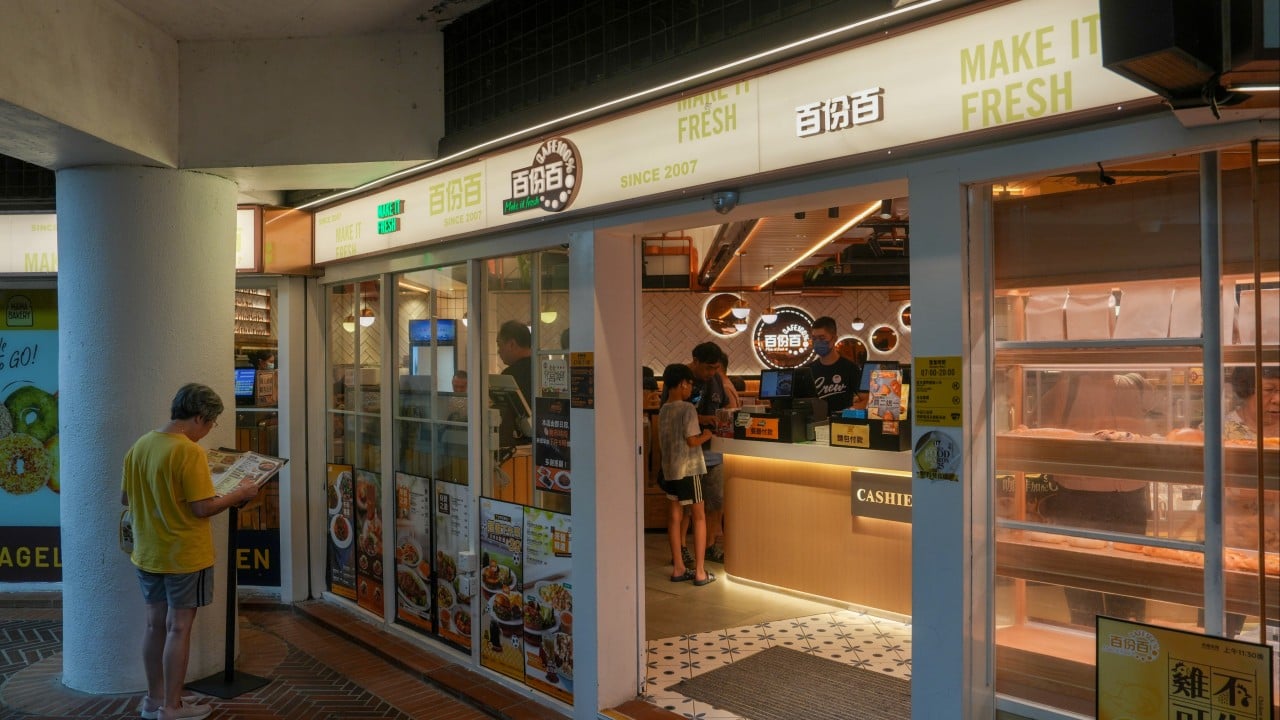
Hong Kong just ended a 32-year-old ban on dogs inside restaurants, and people are absolutely losing their minds. On July 9, 2026, the Food and Environmental Hygiene Department officially opened the doors of over 900 approved eateries to canine companions. For decades, taking your pup out meant sweating on a humid sidewalk while eyeing your food. Now, dogs can sit inside the air conditioning.
But don't assume this is a smooth victory for pet lovers. Recently making headlines recently: What Most People Get Wrong About The Strait Of Hormuz Standoff.
The rollout has triggered a massive, bitter debate across local social media platforms. Step away from the cute Instagram photos of poodles sitting next to cafe tables, and you will find a battleground. Non-pet owners are furious about hygiene risks. Restaurant managers are terrified of losing their hard-won permits. Dog owners are split on whether the strict rules are a blessing or a logistical nightmare.
The conversation around this policy change misses the point entirely. This is not just about whether you like dogs. It is about space, regulation, and how a crowded city balances competing interests. More details into this topic are detailed by The Washington Post.
The Reality Behind the New Permit Rules
The government rolled out this initiative to capitalize on a booming pet economy, a goal explicitly outlined in the 2025 Policy Address. Over 240,000 households in the city own dogs or cats. That is roughly nine percent of the population. The demand is massive. When applications opened, the authorities were swamped with over 2,200 requests from eager restaurateurs, far exceeding expectations.
The authorities used a ballot system to hand out the initial phase of permits. Over 940 venues walked away with the official dog emission endorsement displayed at their entrances.
The fine print is incredibly strict. If you think your dog can lounge on a chair or lick a plate clean, think again. Under the official Food and Environmental Hygiene Department guidelines, dogs must remain securely on a leash no longer than 1.5 meters at all times. An adult must hold that leash, or it must be anchored to a fixed fixture.
The exclusions are fascinating. Hotpot restaurants and barbecue joints are completely banned from participating. The logic makes sense. High heat, open flames, and unpredictable animals are a recipe for a hospital visit.
Food safety regulations are uncompromising. Restaurants cannot cook or prepare dog food on site. They can only sell pre-packaged dry or canned pet food. Pups are banned from tables. They cannot touch chairs. They absolutely cannot use reusable human tableware. If a restaurant fails to enforce these rules and gets caught three times within a single year, the government revokes the permit. The business gets blacklisted from reapplying for twelve months.
Why Non Pet Owners Are Terrified
Spend five minutes on local forums, and you will see the anxiety is real. Hong Kong restaurants are famously tight. Space is a luxury. Jamming dogs into a dining room where tables are already inches apart is causing genuine panic among people with allergies or cynophobia.
Opponents of the scheme argue that loose fur will inevitably contaminate food. Air conditioning units in small Hong Kong eateries circulate air rapidly. If a large golden retriever shakes its coat near a vent, that fur is landing in someone's wonton soup.
Bad pet behavior is another massive friction point. Many residents point out that some dog owners lack basic etiquette. They let their pets bark, stand on furniture, or use baby chairs. In a culture where domestic helpers often do the heavy lifting of pet care, critics worry that owners will not take personal responsibility for training their animals before bringing them into crowded spaces.
Then there is the fear of large or aggressive dogs. While the law explicitly bans known dangerous dogs and fighting breeds like Pit Bull Terriers or Japanese Tosas, a large, untrained dog of any breed can still terrify a diner sitting at the next table. For people who just want a quiet meal, the policy feels like an intrusion on their rights.
The Operational Nightmare for Restaurant Staff
Restaurant owners are caught in the middle of a cultural tug-of-war. They want the extra revenue from the pet economy, but the operational costs are high.
Consider a typical establishment like Fisholic in North Point. The owner applied immediately to catch foot traffic from nearby pet shops. To make it work without alienating traditional customers, he had to allocate specific tables for a pet section. He plans to provide pee pads, poop bags, and small beds. That takes up physical space and costs money.
The burden on staff is immense. Food handlers are strictly forbidden from playing with or touching the dogs. Imagine a busy lunch rush. A dog spills water or has an accident on the floor. Waitstaff must clean it up using specific sanitization protocols while keeping their hands clean enough to serve food to the next table.
The government deployed a 90-strong team of inspectors to check up on these venues during the first month. The pressure to comply is intense. One minor slip-up could mean a fine of up to 10,000 Hong Kong dollars and three months of jail time for the operator.
Some business owners who already utilized outdoor seating are choosing a wait-and-see approach. They are confused about whether their existing outdoor arrangements require this new permit. Instead of rushing into the system, they are staying on the sidelines to see how the public reacts.
How to Navigate the New Dining Landscape
The success of this experiment rests on compromise. If dog owners act selfishly, the backlash will force restaurants to drop their permits. If non-pet owners refuse to tolerate any animal presence, the policy will fail to stimulate the local economy.
If you are a dog owner planning to dine out, follow these steps immediately.
First, invest in a high-quality, short leash. A standard retractable leash is useless in a cramped Hong Kong cafe. Keep your dog close to your legs and out of the walkways where waitstaff carry hot food.
Second, bring your own supplies. Do not expect the restaurant to provide everything. Carry a portable water bowl, a mat for your dog to lie on, and sanitizing wipes. If your dog sheds heavily, groom them thoroughly before heading out.
Third, know your dog's limits. If your pup barks at strangers, gets anxious in tight spaces, or cannot sit still for an hour, do not take them inside a restaurant yet. Start with a pet-friendly mall or an outdoor space to build their confidence.
If you do not own a pet and want to avoid dogs entirely, look at the restaurant entrance before walking in. Approved venues must display their official dog endorsement clearly. If you see the sign and decide to enter anyway, understand that animals will be nearby. If a pet owner violates the rules by letting their dog sit on a chair or eat from a restaurant bowl, report it directly to the manager. You have a right to a hygienic environment.
The days of a blanket ban are over. Hong Kong is changing, and everyone needs to adapt to the new reality of shared urban spaces.
Hong Kong restaurants welcome dogs after 32-year ban provides a quick visual look at how local eateries are setting up their spaces to comply with the new rules on day one.

_03.jpg)