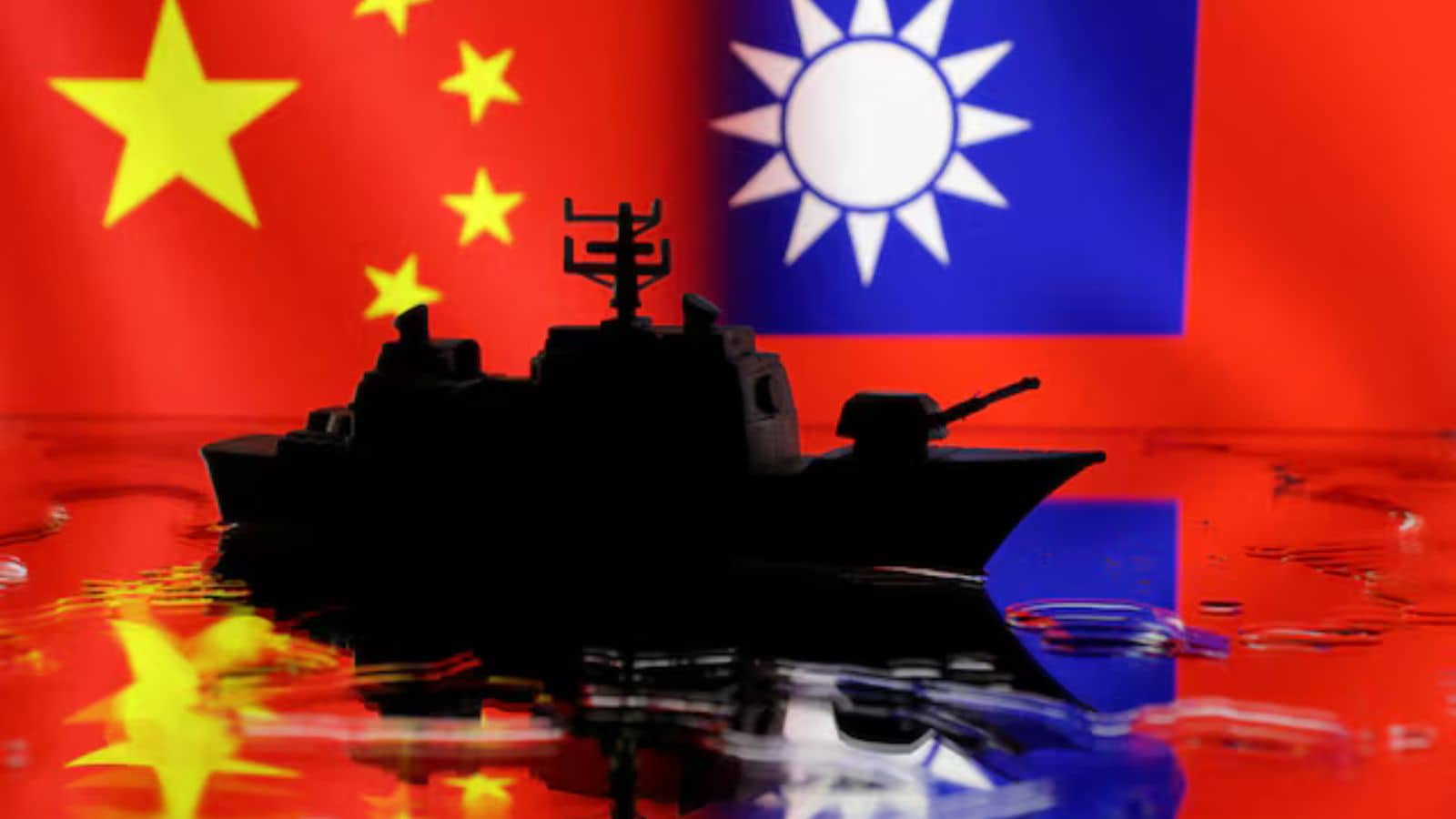
Beijing just pulled off another calculated move in the waters surrounding Taiwan, and the mainstream media is largely misreading the playbook.
On Saturday, China announced it swapped out a naval task force east of Taiwan for a fleet of coast guard ships. These white-hulled vessels are now running what Beijing calls law enforcement patrols in jurisdictional waters. Taipei is furious. Western capitals are on edge. But if you think this is just another routine show of military muscle, you're missing the real strategy.
This isn't an accidental escalation. It's a legal trap.
By replacing actual grey-hull warships with law enforcement cutters, Beijing is attempting to normalize its sovereignty claims over the entire area. They aren't treating this as a war zone. They're treating it as a domestic policing matter. That distinction matters immensely for the future of global shipping and regional stability.
The Salami Slicing Tactics Defying International Law
This latest deployment marks the second time in about a month that a China coast guard patrol east of Taiwan has triggered international sirens. The first wave hit in June. Why then? Beijing claimed it was reacting to Japan and the Philippines starting formal talks to draw up their maritime boundaries. In China's view, those boundaries illegally loop in Chinese waters off Taiwan's eastern coast.
Look at a map. The east coast of Taiwan opens directly into the deep waters of the Western Pacific. For decades, this area was a relatively safe buffer zone. Taiwanese fishermen operated freely, and international shipping lanes remained unbothered. Now, Beijing is wrapping a net around it.
Taiwanese Defence Minister Wellington Koo nailed the description when he called it cognitive warfare. He warned that China is trying to cast a large spider's web over the area. They slice away bits of the status quo, check the world's reaction, and then cement their new position.
The Western response has been uncharacteristically blunt. Britain, France, and Germany took the rare step of issuing a joint statement warning that these patrols threaten freedom of navigation. The United States has echoed these concerns. Yet, statements don't stop ships.
Why Changing Warships to Coast Guard Cutters Matters
Most defense analysts focus entirely on the People's Liberation Army Navy. They count destroyers, track aircraft carriers, and measure missile ranges. That's a mistake. The real frontline tool for rewriting maritime rules right now is the China Coast Guard.
+----------------------------------+----------------------------------+
| Naval Fleet Approach             | Coast Guard Patrol Strategy      |
+----------------------------------+----------------------------------+
| Signals overt military action    | Frames operations as policing    |
| Triggers direct defense treaties | Evades traditional war triggers  |
| Clear rules of engagement        | Employs gray-zone ambiguity      |
+----------------------------------+----------------------------------+
When a warship shadows you, it's a military standoff. When a coast guard vessel orders you to pull over, it's an assertion of domestic law. If Taiwan or its allies fire on a Chinese warship, it's war. If they fire on a coast guard vessel acting as a policeman, Beijing plays the victim of illegal aggression against law enforcement officers.
It's a bureaucratic ambush. China wants to force a terrible choice on commercial vessels operating in the Pacific.
The Nightmare Scenario Facing Commercial Shipping
Taiwan's Ocean Affairs Council has told domestic vessels to flatly ignore any boarding or inspection demands from Chinese officers. If Chinese ships try to force the issue, Taiwan's own coast guard promises to step in.
Think about what that looks like for a ship captain.
You're navigating the waters east of Taiwan, carrying millions of dollars in cargo. A massive Chinese cutter pulls up, flashing lights, demanding to inspect your logs. They claim you're in Chinese waters. Taiwan's coast guard radios you, telling you to ignore them and sail on.
If you stop, you validate Beijing's sovereignty. You also risk having your cargo seized or delayed indefinitely. If you don't stop, you risk being rammed, water-cannoned, or boarded by force.
This isn't a theoretical problem for 2030. It's happening right now in 2026. This legal friction is designed to drive up insurance premiums for shipping to Taiwan, making trade with the island prohibitively expensive without firing a single missile.
What Happens Next
We need to stop viewing these maritime standoffs as isolated diplomatic spats. They're part of a grander encirclement strategy. The international community cannot rely on angry press releases to deter this behavior.
If you are tracking regional supply chains or maritime security, here is what you should watch over the coming weeks.
- Watch the boarding attempts: The moment the China Coast Guard actually boards a non-Chinese commercial vessel east of Taiwan, the rules change forever. Watch how Taipei responds tactically.
- Track joint allied patrols: Statements from Europe are nice, but actual naval presence is the only language Beijing respects. See if France, Britain, or the US send assets to escort commercial shipping through these eastern waters.
- Monitor insurance markets: Watch the maritime insurance hubs in London. If they designate the waters east of Taiwan a high-risk zone, shipping rates will spike, creating an economic blockade by stealth.
The era of assuming the Pacific side of Taiwan is a secure safe haven is officially over. Beijing has rewritten the rules of the game, and the world is still scrambling to find the rulebook.
Chinese Patrols Off Eastern Taiwan Amid Rising Tensions
This broadcast breaks down the initial naval and coast guard movements that set the stage for China's expanding maritime operations around Taiwan's eastern coast.


