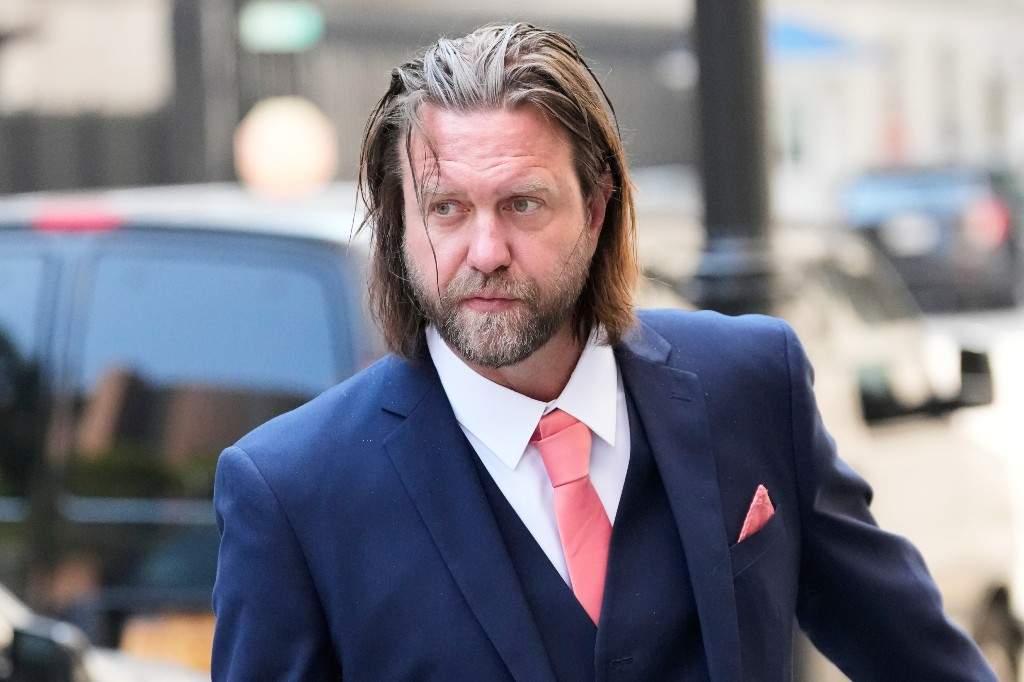
Hollywood is built on illusion, but Carl Erik Rinsch took the performance entirely too far. On June 29, 2026, a federal judge in Manhattan sentenced the director of 47 Ronin to 30 months in prison. His crime? Defrauding Netflix of $11 million.
The internet is currently obsessing over the wildest details of the court records. People are fixated on the five Rolls-Royces, the red Ferrari, and the mind-boggling $638,000 he spent on just two mattresses. But looking only at the luxury purchases misses the real story. This case exposes a structural breakdown in how modern entertainment companies greenlight projects and monitor their money. It shows what happens when massive streaming platforms throw millions at unproven concepts because they are terrified of missing out on the next big sci-fi hit.
Netflix originally wrote off more than $55 million on Rinsch's unfinished series, which was known at various points as White Horse and Conquest. The extra $11 million he extracted in 2020 was supposed to finish production. Instead, it became a personal slush fund for speculative stock bets, crypto trading, and high-end lifestyle upgrades.
How the Streaming War Set the Stage for Disaster
To understand how a director walked away with a massive fortune without delivering a single finished episode, you have to look back to 2018. Netflix was locked in an intense battle for original content. Competitors were launching their own platforms. Tech giants were bidding up the price of every script in town.
Rinsch, despite a troubled history on the set of his big-budget debut 47 Ronin, managed to pitch an ambitious sci-fi concept about a humanlike species rebelling against creators. Former Netflix content chief Cindy Holland spearheaded the acquisition. The streamer bought into the hype, eventually pouring roughly $44 million into the production across 2018 and 2019.
The red flags appeared almost immediately. Production moved between multiple international locations, including São Paulo and Kenya. Sources from the set reported erratic behavior, chaotic scheduling, and scripts that seemed to change by the hour. Yet, because the streaming model prioritized massive output over strict traditional oversight, the cash kept flowing.
By early 2020, the project was stalled. Rinsch claimed he needed exactly $11 million more to execute the final stages of production and save the investment Netflix had already made. Sunk cost fallacy kicked in. On March 6, 2020, Netflix wired the money to the Rinsch Company account.
The Financial Mechanics of a Hollywood Scam
The federal indictment filed in the Southern District of New York reveals exactly what happened to that final wire transfer. It didn't pay for camera rentals, visual effects artists, or actor salaries.
Within days of receiving the funds, Rinsch moved $10.5 million into his personal brokerage account. He didn't build a production budget. He started playing the stock market. He placed massive, risky bets on speculative options. The stock market volatility of early 2020 hit his portfolio hard. In less than two months, he managed to lose more than half of that money.
Instead of coming clean to the executives paying his bills, Rinsch doubled down. He pivoted the remaining millions into the cryptocurrency market. He got incredibly lucky with a few well-timed crypto surges, turning a modest remnant of cash into a massive payout.
That crypto windfall didn't go back into making White Horse either. It funded a lifestyle that read like a parody of Hollywood excess. The line-item expenses detailed by prosecutors during the trial include:
- At least $2.4 million spent on a fleet of five Rolls-Royces and a red Ferrari
- A staggering $638,000 spent on just two custom mattresses
- Over $295,000 allocated for luxury bedding and high-end linens
- Roughly $387,000 spent on a single Swiss watch
- Millions more used to clear personal credit card debts, buy antiques, and purchase designer clothing
While Rinsch was buying luxury furniture, Netflix executives were repeatedly asking to see completed footage. He sent them short, heavily edited clips that showed virtually nothing. By 2021, the streaming giant finally realized the truth. They pulled the plug on the series and wrote off their entire $55 million investment.
The Courtroom Drama and the Mental Health Defense
When federal authorities arrested Rinsch in West Hollywood in March 2025, the defense strategy immediately began taking shape. During the trial and the subsequent sentencing hearing before U.S. District Judge Jed S. Rakoff, Rinsch's legal team didn't deny where the money went. They argued about why it happened.
His lawyers presented extensive arguments detailing severe, untreated mental health struggles and medication issues that occurred during the production period. They painted a picture of a creator experiencing a prolonged manic state, exacerbated by pressure and improper pharmaceutical care.
Rinsch addressed the court directly before his sentencing. He apologized for his actions and explicitly stated that the legal process forced him to confront things about his health, life, and judgment that he had previously failed to recognize. He admitted that real harm was caused.
Even Hollywood star Keanu Reeves weighed in. Reeves, who starred in Rinsch's 47 Ronin, submitted a letter to the court asking for mercy. He described the director as a deeply talented artist who struggled with profound self-sabotaging behavior. Reeves noted that Rinsch had a tendency to amplify the scale and scope of what was negotiated, ultimately putting himself at odds with his financial backers.
Why the Prosecution Demanded Five Years
Government prosecutors weren't buying the narrative of a helpless artist caught in a mental health spiral. Assistant U.S. Attorney David Markewitz pushed hard for a five-year prison term. The prosecution argued that Rinsch's core motive was naked greed.
Markewitz pointed out that Rinsch had every structural advantage available to a human being. He came from family money, received an elite education, maintained high-profile friendships with major stars, and held a career that millions of aspiring filmmakers would die for. He chose to lie systematically to extract money, and then he chose to lie to cover it up.
Judge Rakoff ultimately landed in the middle. He rejected the prosecution's five-year request but made it clear that mental health difficulties don't excuse deliberate, calculated fraud. He sentenced Rinsch to 30 months in prison, followed by three years of supervised release.
Rinsch must also forfeit $11 million and pay another $11 million in restitution. The judge openly acknowledged a harsh reality. Netflix will almost certainly never see that money again. The funds are gone, dissolved into depreciating luxury vehicles, used mattresses, and volatile market trades. Rinsch is ordered to surrender to federal custody on September 1, 2026, and his legal team has already stated their intention to appeal the conviction.
Real Lessons for the Entertainment Industry
The Carl Rinsch saga isn't just an isolated incident of a director losing his mind. It is a cautionary tale about corporate governance in the entertainment space.
Traditional Hollywood studios used a greenlight system that released funds in strict stages. Producers had to show completed days of shooting, verified line-item receipts, and rough cuts before the next check was signed. The streaming model completely disrupted this framework. Executives handed over massive lump sums to talent to secure exclusive deals, trusting that the prestige of the platform would guarantee delivery.
If you run a business, manage a production, or oversee contract distributions, the takeaways from this disaster are immediate and actionable.
Establish Tiered Milestone Payments
Never wire a massive block of capital based purely on a verbal update or a written promise. Payments must be legally tied to clear, verifiable physical milestones. If an independent contractor or creator asks for an emergency cash injection to finish a project, demand a full independent audit of the funds already spent before approving a single additional dollar.
Implement Independent Financial Oversight
Netflix trusted Rinsch's internal corporate entity to manage the funds. That was a critical error. Major projects require an independent, third-party completion guarantor or an escrow management service. The money should go directly to vendors and crew members, not into a private account controlled by a single individual with signing authority.
Pay Attention to Erratic Flags Early
The reports of chaos on the White Horse set existed long before the March 2020 wire transfer. When production teams, local fixers, or secondary crew members start complaining about shifting scripts, missing schedules, or unpredictable leadership, pay attention. Do not let the fear of losing your initial investment drive you to throw good money after bad. Cut your losses early or install new management on the ground immediately.
The era of unchecked streaming budgets is officially dead. This 30-month prison sentence is a grim reminder that when the illusion of Hollywood meets the reality of federal wire fraud laws, the government always wins the final cut.