You pack your bags for paradise and expect the usual risks. Sunburn. Maybe a rough rip current. A bad stomach bug from the tap water. But nobody books a room at a luxury resort expecting to watch a massive reptile drag a person into the pitch-black ocean. Yet that is exactly what happened when a 28-year-old man was left dead in a fatal crocodile attack near a Mexico resort in Puerto Vallarta.
It happened on a Friday evening at Marina Vallarta Beach, right outside the Marriott Puerto Vallarta Resort and Spa. The victim, a 28-year-old man named Irving from Mexico City, was in town for a work trip. Around 6:30 p.m., as the sun started to dip, he went into the water. Within moments, the vacation turned into a literal horror movie. A massive crocodile clamped onto his thigh and dragged him out into the murky water. Witnesses from Southern California scrambled to save him, throwing a life preserver and even paddling out on a kayak without oars, but the sheer size of the predator made a rescue impossible. Irving went under and never resurfaced. His body was found the next morning near Boca de Tomates.
This tragedy highlights a glaring truth about tropical travel. Luxury resorts sell a carefully curated illusion of safety, but nature does not respect property lines.
The Reality Behind the 28-year-old Man Dead in Fatal Crocodile Attack Near Mexico Resort
When you think of Puerto Vallarta, you think of sandy beaches, high-end pools, and sunset dinners. You do not think of apex predators patrolling the surf. That disconnect is exactly why these incidents happen. Tourists drop their guard because they assume a five-star hotel would not let them wander into a hunting zone.
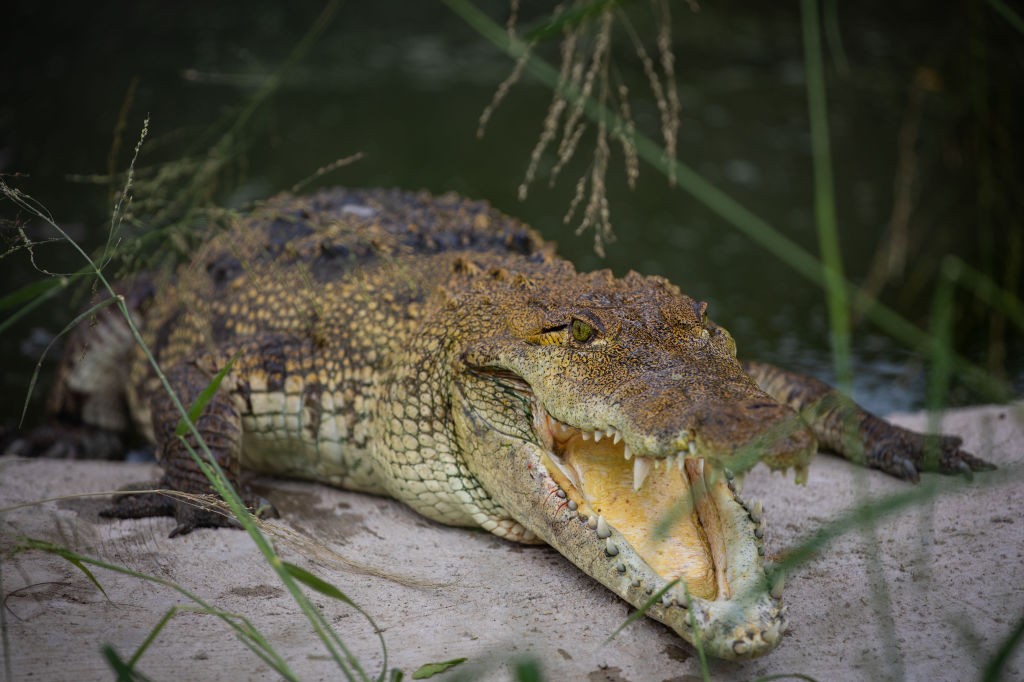
The beach in front of the Marriott is beautiful, but it sits right next to a network of rivers, mangroves, and estuaries. These are prime habitats for the American crocodile (Crocodylus acutus). These animals can grow up to 15 feet long. They are fully capable of surviving in saltwater and frequently move between rivers and the ocean to travel or hunt.
Witnesses described the crocodile in this specific attack as absolutely massive. Chris Bury, a tourist from San Clemente who tried to save Irving, noted that the reptile's head was as long as his own torso, and its tail was thicker than a human leg. When an animal of that scale targets you in murky water, survival is heavily stacked against you. The crocodile used its weight to pull the victim under, utilizing its natural hunting instinct to drown its prey.
Why the Illusion of Resort Safety Fails Vacationers
The most frustrating part of this tragedy is how preventable it felt to those on the scene. The couple who tried to rescue Irving stated that they received no verbal warnings from the hotel about crocodiles in the water. Signs exist on the beach, but they are often small, easy to miss, or ignored by tourists who see other families swimming nearby.
The hotel later issued a statement emphasizing that guest safety is their top priority, pointing to their night patrols, caution flags, and signage. But there is a massive gap between corporate policy and reality. If a beach remains wide open for swimming just hours after a fatal attack, something is broken.
The morning after Irving disappeared, tourists were right back in the water. The beach was not closed off. No yellow police tape stretched across the sand. No guards stood by to warn families. People walked down to the ocean with their kids, totally oblivious to the fact that a man had been killed in that exact spot the night before. This happens because resorts are terrified of bad publicity. A closed beach looks bad for business, so they play down the risk until it is too late.
Understanding American Crocodile Behavior and the Dusk Danger Zone
You need to understand how these reptiles operate if you want to stay safe in regions like Jalisco and Nayarit. American crocodiles are primarily nocturnal or crepuscular, meaning they are most active during dusk and dawn. Irving entered the water around 6:30 p.m., right when the light was fading and crocodiles typically begin to hunt.
The water at Marina Vallarta Beach is notoriously murky. When you wade in up to your knees, you cannot see your feet. For a crocodile, this is the perfect setup. They are ambush predators. They do not swim on the surface splashing around. They float just beneath the surface with only their eyes and nostrils exposed. By the time you notice them, they are already within striking distance.
Crocodiles do not actively seek out humans as their primary food source. They prefer fish, birds, and small mammals. But they are opportunistic. If a silhouette moves in murky water during their peak hunting hours, they strike first and ask questions later.
Previous Incidents Prove This Was Not a Freak Occurrence
Resorts often frame these attacks as unpredictable, one-in-a-million anomalies. That is a lie. Crocodile encounters in the Puerto Vallarta area have been rising steadily over the last decade due to rapid urban development. As we build more hotels and golf courses over their native mangroves, we force these animals into closer contact with humans.
Just four years prior, in 2022, two tourists from Colorado were bitten by a crocodile in the exact same region. They survived, but the warning signs were clear. Crocodiles frequently wander onto local golf courses, crawl through resort canals, and swim parallel to the beaches.
Local wildlife experts have repeatedly warned that the mouth of the Ameca River, which sits near the hotel zones, is a highly active crocodile corridor. Heavy rains and tropical storms push these animals out of the river channels and directly into the ocean surf. When you swim near river mouths after rain, you are stepping directly into their expanded territory.
Practical Steps to Avoid Becoming a Statistic
You can enjoy a tropical vacation without putting yourself at risk. It requires abandoning the assumption that the resort is keeping watch for you. You have to take personal responsibility for your safety.
First, stay out of the ocean at night, dusk, and dawn. This is non-negotiable. If the sun is setting, your beach time is over. The risk multiplies by ten once darkness falls.
Second, avoid swimming near estuaries, river mouths, or lagoons. If you see a river emptying into the ocean, do not swim anywhere near that junction. Crocodiles hang out in these high-nutrient zones because fish congregate there.
Third, look for the flags and read them correctly. A red flag does not just mean rough waves; it means dangerous conditions. In Mexico, a purple flag specifically indicates dangerous marine life in the area. If you see it, do not touch the wet sand.
Fourth, never assume that because others are in the water, it is safe. Peer pressure kills. Tourists are notoriously uninformed. Watch the locals instead. If local fishermen or vendors are staying out of the water, you should follow their lead.
What to Do If You Encounter a Crocodile in the Water
If you ever find yourself facing a crocodile, your options are limited, but quick action can save your life. Panic paralyzes you. You must fight back immediately.
If you spot a crocodile nearby but it has not attacked, back away slowly. Do not splash loudly. Do not make sudden movements. Back up straight onto dry land while keeping your eyes on the animal. Splashing mimics the sound of a struggling animal and triggers their predatory response.
If the animal strikes and grabs you, do not try to pry its jaws open with your bare hands. Their bite force is immense, reaching up to 3,700 pounds per square inch. You cannot muscle your way out of it. Instead, target their weakest points. Gouge their eyes, punch their snout, or strike the palatal valve. The palatal valve is a flap of tissue at the back of their throat that prevents water from entering their lungs. If you can force that valve open while they are underwater, they will be forced to let go to avoid drowning.
Irving's death was a horrible tragedy that shattered a family and left a community shaken. It serves as a stark reminder that nature does not care about your vacation itinerary. Stay alert, respect the local wildlife boundaries, and never let the luxury of a resort blind you to the realities of the wild.