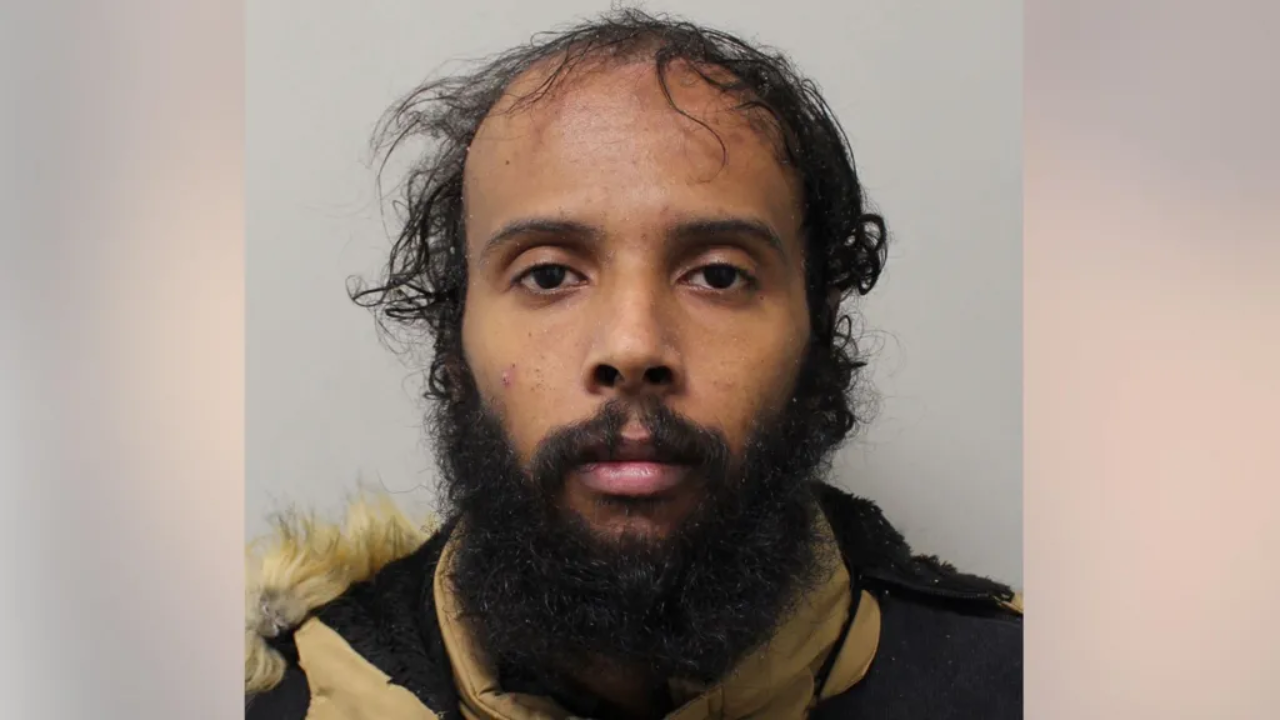
The internet can be a brutal place, but what happened in east London takes digital manipulation to a whole new level of cruelty. A 31-year-old university graduate named Waleed Saeed just got handed a 16-year prison sentence at Snaresbrook Crown Court. Why? Because he built a massive, six-year digital entrapment operation designed to exploit the exact vulnerabilities of young Muslim and South Asian men.
Saeed didn't just stumble into this. He deliberately created a network of over 100 fake social media profiles on Snapchat, Grindr, and X (formerly Twitter). He used aliases like "Trans Girl Leah" and "amzyyyy09." to hunt for his targets. He knew exactly what he was doing, aiming directly at men from culturally conservative backgrounds who feared the devastating fallout of their families discovering their sexuality.
The strategy worked with terrifying precision. Saeed would reel them in, convince them to swap intimate images, and then immediately turn those photos into a weapon. The message was simple: pay up, submit to my demands, or I send these to your entire community.
The Cultural Weaponization of Shame
What makes this case sickening isn't just the blackmail. It's how Saeed weaponized cultural norms and familial expectations against his victims. Judge Timothy Greene noted that Saeed was an expert at turning the psychological screw. He didn't just want cash; he craved the feeling of total dominance over terrified teenagers and young adults.
For a young man growing up in a strict, traditional household, the threat of being outed isn't just embarrassing. It feels like the end of your life. It means potential ostracization, severe family conflict, or losing your entire support system. Saeed knew these victims would rather suffer in absolute silence than risk their secrets leaking out.
Two of his victims openly admitted to feeling suicidal during the ordeal. One young man recounted the pure anguish of feeling completely trapped, revealing that Saeed had pressured him into a meeting where he took his virginity. The predator exploited a massive systemic gap: the reality that these men felt they had zero people to turn to, including their own families or the police.
The Escalation to Real World Violence
Blackmail online rarely stays behind a screen. When victims ran out of money or couldn't meet his compounding demands, Saeed forced them into compliance through physical meetups. He brought his digital terror straight into the real world.
The house of cards collapsed because of an 18-year-old victim who showed incredible bravery. In August 2024, Saeed coerced this teenager into meeting him late at night in an east London park. Covering his face to hide his identity, Saeed sexually assaulted and violently raped the young man.
Instead of retreating into the shadows out of fear, the victim went straight to the Metropolitan Police. Detectives didn't just treat it as an isolated assault. They dug into the digital footprint of the social media accounts used to lure the teen, eventually tracking Saeed down and arresting him in November 2024.
By March, a jury found him guilty of 17 horrific offences against five separate males. The charges included rape, attempted rape, blackmail, and making indecent images of children.
Why the Nightmare Isn't Over for Investigators
The 16-year sentence closes the chapter on the specific cases presented in court, but the Met Police are convinced they've only scratched the surface. When tech experts cracked open Saeed's seized electronic devices, they found an ocean of compromising material.
- 50 to 70 Unidentified Victims: Forensic teams discovered scores of intimate photos belonging to young men whose identities remain completely unknown.
- The Faceless Problem: Many of the recovered files only show bodies or anonymous usernames, making it incredibly difficult for police to track down the victims and offer support.
- 24 Cold Cases: Detectives have reopened two dozen closed or unsolved extortion cases across the UK that mirror Saeed's specific methods.
The reality is that Saeed started his campaign back in 2018. He was even arrested and bailed in 2019 after a victim stepped forward, but when charges weren't immediately filed, he went right back to hunting. For six straight years, he operated a ghost network that shattered lives across the country.
How to Protect Yourself and Respond to Digital Extortion
Sextortion and digital blackmail are rising fast, and anyone can find themselves in a predator's crosshairs. If someone online threatens to leak intimate images of you to your family, employers, or friends, you need to pivot from panic to strategic action immediately.
Freeze the Communication
Do not delete the chat history out of panic. Stop responding completely, block the account, but preserve everything. Take screenshots of their profile, their usernames, the specific threats they made, and the exact accounts they claim they'll send the images to. You need this digital paper trail for law enforcement to build a case.
Never Pay the Blackmailer
Giving in to a financial demand or agreeing to a physical meetup never fixes the problem. It just proves to the extortionist that their leverage works. If you send money, they will simply demand more the next day because they know you're terrified.
Secure Your Accounts
Immediately lock down your actual social media presence. Change your privacy settings so only approved, close friends can see your follower lists. Predators frequently scrape your friend lists to find the names of your parents, siblings, or coworkers to make their blackmail threats look real and immediate.
Report It Immediately
You don't have to carry this weight alone. Organizations like the Met Police have specialized units trained to handle these sensitive cases with total confidentiality. They care about catching the predator, not judging your private life. If you are in the UK, you can report online extortion anonymously through platforms like CEOP or call the police directly on 101. Support services are always wrapped around victims to ensure they don't face the emotional fallout by themselves.