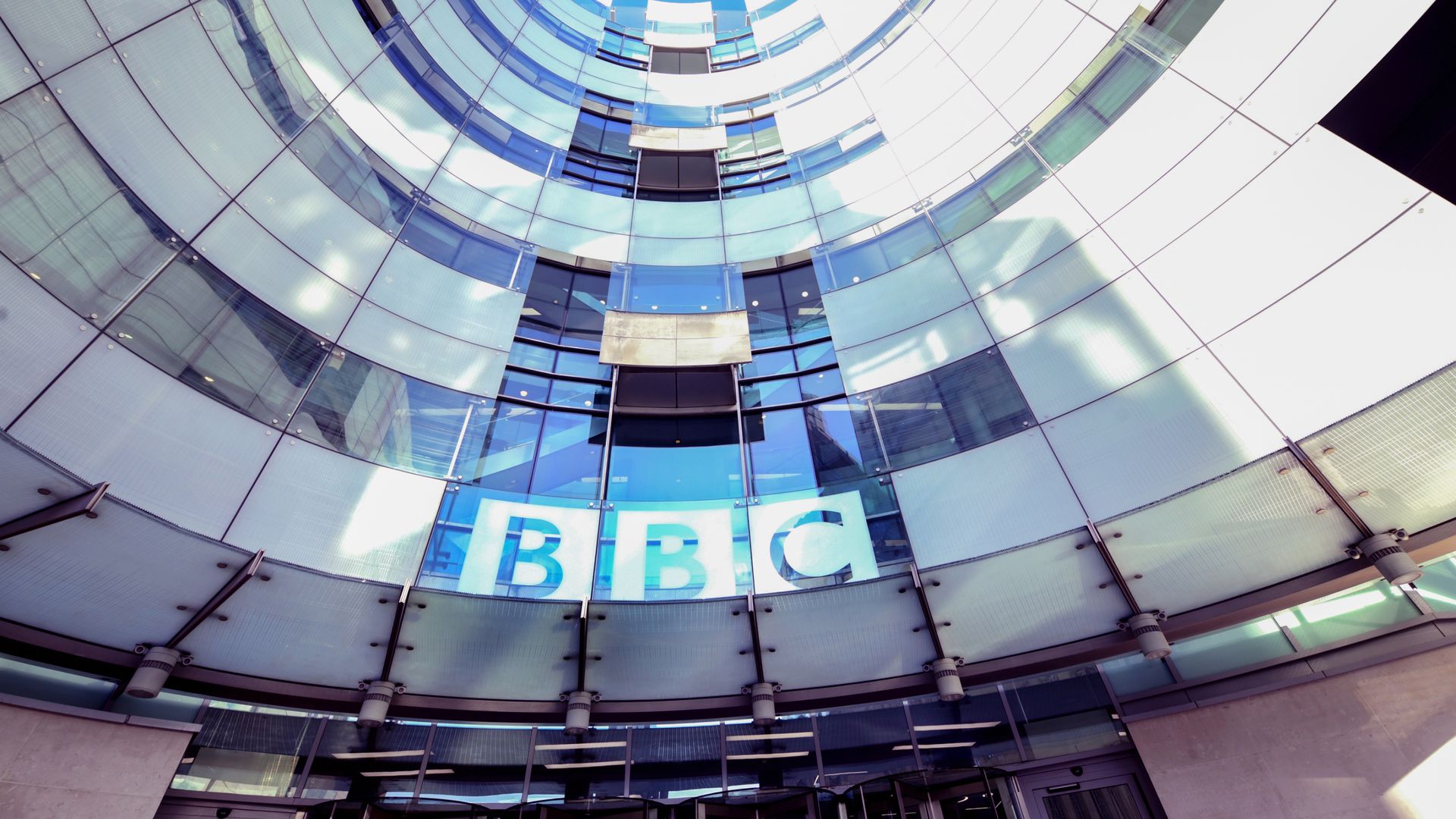
Working at the BBC used to mean something. It meant prestige, job security, and public service pride. Today? It looks more like a masterclass in doing more with less until everyone burns out.
The broadcaster just handed its workers a bleak reality check. An internal email sent to staff reveals a 2026 annual pay review plan that proposes a measly 1% wage increase, with a guaranteed minimum of £500 for full-time staff. Don't forget to check out our earlier article on this related article.
Here is the kicker. The UK annual inflation rate sits at 2.8%. If you do the math, a 1% raise when prices are climbing at nearly triple that rate means only one thing. It is a real-terms wage cut.
Unions immediately threw the proposal out. Bectu, the National Union of Journalists (NUJ), and Unite all rejected the offer flat out. They argue it leaves workers worse off during an intense cost of living crisis. They are entirely right. This pay proposal comes just weeks after the corporation announced a massive downsizing plan. The BBC intends to axe 550 roles, cancel multiple radio shows, and review the future of its top news presenters. If you want more about the history here, The New York Times offers an in-depth summary.
The timing is awful. Staff feel squeezed.
The Grim Mathematics of Public Broadcasting
Management loves talking about difficult financial realities. They remind everyone that decisions must be sustainable for the future. Sure, the broadcaster faces immense pressure. Audiences are shifting to streaming giants like Netflix and Disney+. The traditional funding model is cracking.
But you can't run a world-class news operation by starving the people who make it happen.
Consider how the numbers stack up for the average staff member. A 1% increase does not even cover the basic rise in groceries or energy bills. One employee told journalists that reporting on inflation while receiving a pay rise far below that same inflation rate feels deeply ironic. It feels like an insult.
To be fair, the top bosses are taking a hit too. Members of the executive committee, including the new Director-General Matt Brittin, will get zero pay increases this year. That looks good on paper. It makes for a decent press release. But a freeze for an executive making hundreds of thousands of pounds does not help a production assistant who cannot pay rent in London.
The corporate defense relies heavily on the licence fee structure. The annual fee rose to £180 in April, and it stays guaranteed until the end of 2027 when the current BBC charter expires.
The fundamental problem is compliance and reach. Around 94% of UK adults use BBC services every single month. Yet, only about 80% of households actually pay the fee. Management wants a long-term funding solution, but their current strategy involves bleeding their own workforce to balance the books.
Unions Ready for a Fight
Acas is stepping in. The Advisory, Conciliation and Arbitration Service will host talks between the broadcaster and the unions over the coming weeks. Do not expect a quick handshake.
The unions see this as a red line. Philippa Childs, the head of Bectu, made it clear that a 1% offer is completely unacceptable. She noted that while the union understands the financial crunch, the burden should not fall squarely on the shoulders of frontline workers.
Laura Davison from the NUJ echoed this anger. She pointed out that journalists are delivering independent, trusted news under increasingly toxic and difficult circumstances. Squeezing their pay while cutting their colleagues' jobs creates a miserable workplace culture.
The organization's long-term strategy seems backward. Over the last five years, the broadcaster cut roughly 2,000 roles. Now they are targeting an extra 10% budget reduction over the next three years to save around £600 million.
You cannot cut your way to growth. You cannot inspire creativity by making your staff worry about their bank accounts.
What This Means for Audiences
When you underpay staff and cut hundreds of roles, the final product suffers. Viewers will notice. Fewer original regional shows, stripped-back newsrooms, and overworked presenters mean a drop in quality.
The broadcaster wants to expand its presence on platforms like YouTube and Roblox to capture younger audiences. That requires innovative, high-quality content. You do not get innovation from an exhausted workforce that feels completely undervalued by leadership.
The upcoming Acas talks are the final buffer before potential industrial action. If management refuses to budge from the 1% mark, expect empty news desks and disrupted broadcasts later this summer.
The next step belongs to the workforce. Staff must engage directly with their local union branches to prepare for the Acas consultation results. If the conciliation fails, members need to vote heavily in any upcoming industrial action ballots to force management back to the negotiating table with a realistic offer.
The era of expecting workers to accept low pay out of loyalty to the brand is officially over.
This industry report provides a broader breakdown of the massive budget reductions and structural job cuts hitting the media giant as it attempts to restructure its operations.